
Subtotal: SGD$0.00
Best Ingredients for Mobility Support That Matter
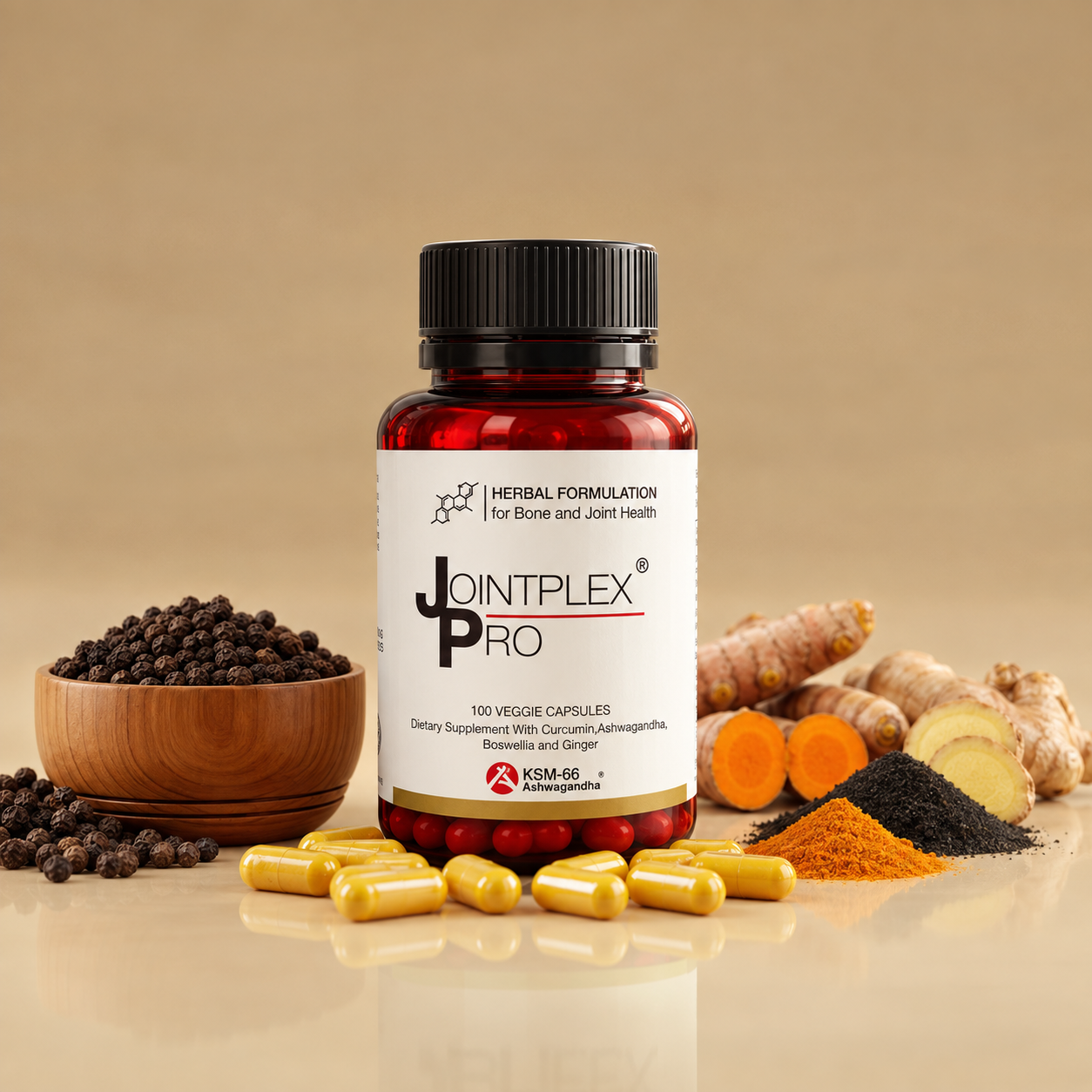
A stiff knee on the stairs, aching fingers when opening a jar, or hips that take longer to loosen in the morning can gradually make life feel smaller. For many adults, the goal is not simply less discomfort. It is being able to walk, exercise, travel, pray, work, and care for family with greater confidence. The best ingredients for mobility support are those with sensible scientific backing, meaningful doses, and a safety profile that suits the individual.
No supplement can replace a medical assessment, strength training, healthy body weight, or treatment for an underlying joint condition. But carefully selected ingredients may support comfort and daily function, particularly for people with osteoarthritis, age-related stiffness, or exercise-related joint strain.
What Mobility Support Should Actually Do
Mobility is more than flexibility. It depends on healthy joints, strong surrounding muscles, stable balance, controlled inflammation, and the ability to move without persistent pain. When a joint is irritated or affected by osteoarthritis, the cartilage, lining, bone, and nearby tissues can all contribute to symptoms.
A quality mobility formula should aim to support the processes involved in joint comfort rather than promise an instant cure. Some ingredients may help regulate inflammatory pathways. Others may support cartilage structure or provide antioxidant protection. Results are usually gradual, often taking several weeks of consistent use, and they vary according to the cause and severity of discomfort.
For this reason, ingredient quality matters as much as the name on the front of the bottle. A long list of trendy ingredients is not automatically better than a focused formula with well-researched extracts.
Best Ingredients for Mobility Support: What the Evidence Suggests
Curcumin for inflammatory joint discomfort
Curcumin is the active compound found in turmeric. It has been widely studied for its role in inflammatory signaling and may help reduce pain and improve function in some people with knee osteoarthritis. This makes it a useful option for those whose stiffness feels worse after inactivity or whose joints become sore after a busy day.
The challenge is absorption. Ordinary turmeric powder contains relatively little curcumin, and curcumin on its own is not absorbed well by the body. A clinically designed product should use a standardized, bioavailable curcumin extract rather than relying on the turmeric name alone.
Curcumin is generally well tolerated, but it can cause stomach upset in some people. Anyone taking blood thinners or antiplatelet medication, managing gallbladder disease, or preparing for surgery should ask a healthcare professional before using it.
Boswellia serrata for stiffness and comfort
Boswellia serrata, also known as Indian frankincense, is another herbal ingredient with promising research for osteoarthritis-related pain and function. Its active compounds, called boswellic acids, may influence enzymes involved in inflammation.
Some people find boswellia particularly helpful for knees that feel stiff after sitting, walking, or climbing stairs. However, extracts are not all equal. The level of active compounds and the extraction method can affect the result, which is why reputable formulation standards matter.
Boswellia may occasionally cause digestive symptoms. If you take prescription medicines or have a chronic condition, it is wise to check compatibility first rather than assuming that natural means risk-free.
UC-II undenatured type II collagen
Collagen is a structural protein found in cartilage and other connective tissues. Not every collagen product works in the same way. Hydrolyzed collagen peptides are usually taken in gram-level servings as a source of amino acids, while undenatured type II collagen, often called UC-II, is taken in a much smaller dose and works through a different proposed immune-related mechanism.
Clinical studies suggest undenatured type II collagen may support knee comfort, range of motion, and physical function in some adults with osteoarthritis or activity-related joint discomfort. It is not a replacement for lost cartilage, but it can be a thoughtful part of a longer-term mobility plan.
People with a known allergy to the source material should avoid it. As with all collagen supplements, choose products that clearly identify the ingredient and dose instead of using vague proprietary blends.
Glucosamine and chondroitin: useful for some, not all
Glucosamine and chondroitin remain two of the most recognized joint ingredients. They are building blocks associated with cartilage, and some studies show modest symptom benefits for certain people with osteoarthritis, particularly in the knee. Other studies show little or no meaningful improvement.
This mixed evidence does not mean they never help. It means expectations should be realistic. If a person chooses to try them, a reasonable trial is often several months, with attention to whether pain, walking tolerance, or daily tasks actually improve.
Glucosamine may affect blood sugar monitoring in some individuals, although the clinical effect is usually small. People using warfarin should seek medical advice because chondroitin and glucosamine may increase bleeding risk. Shellfish-derived glucosamine may also be unsuitable for those with relevant allergies, though the risk depends on the manufacturing process.
Omega-3 fatty acids for whole-body inflammation support
Omega-3 fatty acids from fish oil or algae are best known for heart health, but EPA and DHA also have anti-inflammatory effects. They are more strongly supported for inflammatory conditions such as rheumatoid arthritis than for osteoarthritis, yet they may still be valuable for people whose overall diet is low in oily fish.
Omega-3s are not a quick pain reliever. Their role is better viewed as foundational support for general health and inflammation balance. A higher dose is not always better, especially for people who take anticoagulant medication or have an upcoming procedure.
Ginger extract as a complementary option
Ginger contains compounds that may influence inflammatory pathways and has modest evidence for easing osteoarthritis symptoms. It can be a sensible complementary ingredient in a targeted formula, especially for people looking for botanical support beyond turmeric.
Still, it should not be used to cover up severe or worsening pain. Like curcumin, concentrated ginger supplements can interact with blood-thinning medication and may irritate the stomach in sensitive individuals.
What to Look for Beyond the Ingredient List
A supplement is only as good as its formulation. Look for standardized herbal extracts, transparent doses, clear labeling, and a manufacturer that does not hide everything behind a proprietary blend. A formula should explain what each ingredient is included for and avoid claiming to rebuild joints overnight.
It is also worth considering what you actually need. A physically active 45-year-old with occasional post-exercise knee discomfort may have different priorities than a 72-year-old with diagnosed osteoarthritis and morning stiffness. Someone with inflammatory arthritis needs medical treatment directed by a clinician, even if they also use supplements for additional support.
Be cautious with products that contain many overlapping herbs, very high doses, or strong claims about replacing pain medication. Natural ingredients can still interact with prescription medicines, including blood thinners, diabetes medicines, and anti-inflammatory drugs.
Pair Supplements With Habits That Protect Movement
Supplements tend to work best when they support, rather than substitute for, daily habits. Low-impact movement such as walking, cycling, swimming, tai chi, or gentle strengthening helps maintain muscle around the joints. Strong thigh and hip muscles can reduce strain on the knees during stairs and standing.
If pain is limiting activity, start smaller than you think you need to. Five to ten minutes of gentle movement, done consistently, is often more useful than one demanding workout followed by several painful days. Comfortable supportive shoes, adequate sleep, and gradual weight management can also reduce load on weight-bearing joints.
Seek medical care promptly for a hot, swollen joint; sudden inability to bear weight; fever; joint deformity; pain after a fall; or unexplained symptoms that persist. These signs deserve assessment rather than self-treatment.
Choosing mobility support is personal. The right formula should respect your health history, your medications, and the activities you want to keep doing. Speak with your healthcare professional before starting a new supplement, and learn more about Jointplex Pro if you are looking for carefully formulated additional support for joint comfort and mobility.


