
Subtotal: SGD$0.00
Are Natural Anti Inflammatories Safe for Joints?
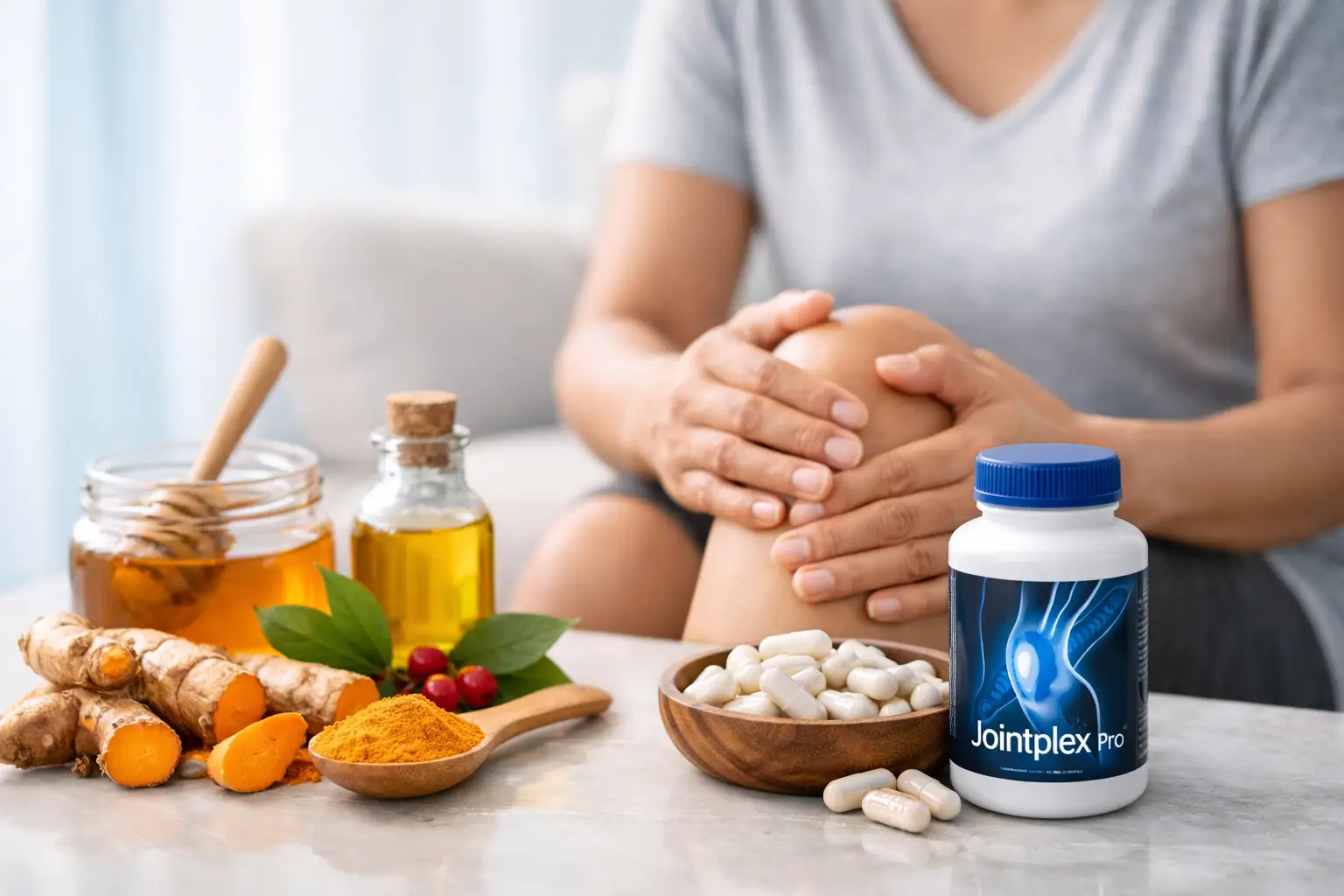
A sore knee after climbing stairs, stiff fingers in the morning, or aching hips after a short walk can make “natural” relief sound like the safest choice. Many people ask, are natural anti inflammatories safe when joint pain becomes a regular part of life? The honest answer is: often, but not automatically. A plant-based supplement can be helpful for some people, yet it can still cause side effects, interact with medication, or be unsuitable for a particular health condition.
Natural does not mean risk-free. The safest approach is to choose well-studied ingredients, use a quality-controlled product, and consider the whole person – including their medicines, medical history, and goals for staying mobile.
What natural anti-inflammatories can and cannot do
Inflammation is part of the body’s repair process. After an injury, it helps bring blood flow and immune cells to the affected area. The problem is ongoing, low-level inflammation or inflammation inside a joint affected by osteoarthritis, rheumatoid arthritis, gout, or another condition. This can contribute to pain, swelling, stiffness, and reduced movement.
Natural anti-inflammatory ingredients are usually intended to support the body’s inflammatory response. They may help reduce discomfort and improve day-to-day function for some people, particularly when used alongside sensible movement, strength exercises, healthy sleep, and medical care where needed. Their effect is usually gradual, not immediate. A supplement is not the same as a fast-acting pain medicine.
They also cannot repair severe joint damage, replace treatment for inflammatory arthritis, or explain away new pain that needs a diagnosis. If a knee is swollen, hot, and suddenly painful, or if pain follows a fall, seek medical advice rather than trying to manage it with a supplement alone.
Are natural anti inflammatories safe for everyone?
No single answer applies to everyone. A healthy adult with mild stiffness and no regular medication may be able to use an appropriate supplement with few problems. An older adult taking blood thinners, diabetes medication, blood pressure medication, or several prescriptions needs more care.
Safety depends on the ingredient, dose, length of use, product quality, and a person’s health history. This matters especially for adults over 60 and for caregivers helping parents who may not remember every medication or supplement they take. Bring all bottles, including herbal products and vitamins, to a pharmacist or clinician for review.
Do not stop prescribed anti-inflammatory medication, such as an NSAID, without discussing it with the healthcare professional who prescribed it. NSAIDs can be useful for certain types of pain, but long-term use may carry risks for the stomach, kidneys, heart, or blood pressure. Natural options may be part of a broader plan, but they should not lead to sudden changes in prescribed care.
Common ingredients and the cautions that matter
Curcumin, a key compound from turmeric, is among the most researched natural ingredients for joint comfort. Some studies suggest it may support pain and physical function in osteoarthritis. However, concentrated curcumin can cause indigestion, nausea, or diarrhea. It may not be appropriate for people with bile duct blockage or certain gallbladder conditions. It can also affect how some medicines are processed.
Boswellia, also called Indian frankincense, is used in specialized joint formulas because compounds in its resin may influence inflammatory pathways. It is generally well tolerated in studies, but some people experience stomach upset, reflux, or loose stools. As with any herbal supplement, a clinician should review its use if you take prescription medication or have a chronic illness.
Ginger may offer mild anti-inflammatory support and can be familiar as a food ingredient. In supplement doses, though, it may cause heartburn or stomach discomfort. It may also increase bleeding risk in people using anticoagulant or antiplatelet medicines.
Omega-3 fatty acids from fish oil are not herbs, but they are often considered for inflammation support. They may be useful in specific circumstances, especially for general cardiovascular health, but higher doses can cause burping, stomach upset, and may affect bleeding in some people. The right dose varies widely by need.
This does not mean these ingredients are unsafe. It means that a supplement should be selected with the same care you would give any health decision.
The biggest safety issue is often the product, not the plant
Two bottles labeled “turmeric” may not be remotely equal. One may state the amount of active curcuminoids, use an absorption-supporting formulation, and be produced under strong quality controls. Another may contain an unclear proprietary blend with no meaningful dose information.
Poor-quality supplements can create real problems. Labels may not match what is in the bottle, doses may be inconsistent, or products may contain unnecessary fillers and undeclared ingredients. This is why a carefully screened formula matters more than an impressive-looking front label.
When considering a natural anti-inflammatory supplement, look for a full ingredient list and clear amounts of each active ingredient. Avoid products that promise to cure arthritis, work overnight, or replace medical treatment. Be cautious with products that combine many herbs at once, because this makes side effects and interactions harder to identify.
A selective supplement provider should be able to explain why ingredients were chosen, who may need to avoid them, and how the formula fits into a realistic joint-support plan. A smaller, clinically oriented range can be easier to assess than a crowded catalog of similar-sounding products.
When to speak with a healthcare professional first
For many people, checking with a pharmacist, doctor, or qualified healthcare professional before starting is a simple and worthwhile safety step. It is especially necessary if you take warfarin, apixaban, rivaroxaban, aspirin, clopidogrel, insulin, diabetes medication, blood pressure medicine, or drugs that affect the immune system.
Also get advice first if you have kidney disease, liver disease, stomach ulcers, reflux that is difficult to control, gallbladder disease, a bleeding disorder, or a history of allergic reactions to herbs or supplements. People who are pregnant, breastfeeding, or preparing for surgery should not assume that a natural product is suitable. Many supplements should be stopped before procedures because of possible effects on bleeding or anesthesia.
New symptoms deserve attention. Seek prompt medical assessment for a red, hot, very swollen joint; fever with joint pain; sudden inability to bear weight; unexplained weight loss; numbness or weakness; or pain that wakes you regularly at night. These symptoms may point to something more serious than ordinary wear-and-tear stiffness.
How to use a joint supplement more safely
Start with one new product at a time. This makes it easier to notice whether it helps and whether it causes a problem. Follow the labeled dose rather than assuming more will work better. With many natural ingredients, higher doses mainly increase the chance of side effects.
Give a well-chosen formula enough time to assess it fairly. Joint-support supplements are commonly evaluated over several weeks, alongside simple measures such as regular low-impact activity, gentle strengthening, supportive footwear, and a balanced diet. Keep a short note of pain levels, morning stiffness, walking tolerance, and any digestive symptoms. These details can make a follow-up conversation with your healthcare professional much more useful.
Stop the supplement and seek advice if you develop a rash, facial swelling, breathing difficulty, severe stomach pain, black stools, unusual bruising, or yellowing of the skin or eyes. These reactions are uncommon, but they should never be ignored.
A careful choice supports confidence, not false promises
Living with joint pain can narrow a person’s world. It may mean avoiding the stairs, declining family outings, or worrying about whether a parent can move safely around the home. Thoughtfully chosen natural support may help some people feel more comfortable and capable, but it works best when it is based on evidence, quality, and personal safety rather than marketing claims.
Speak with your healthcare professional about your symptoms and current medications before starting a new supplement. If you are looking for additional, carefully considered joint support, you may also learn more about Jointplex Pro and whether its specialist-formulated approach suits your needs.


