
Subtotal: MYR0.00
Herbal Anti Inflammatory Review for Joint Relief
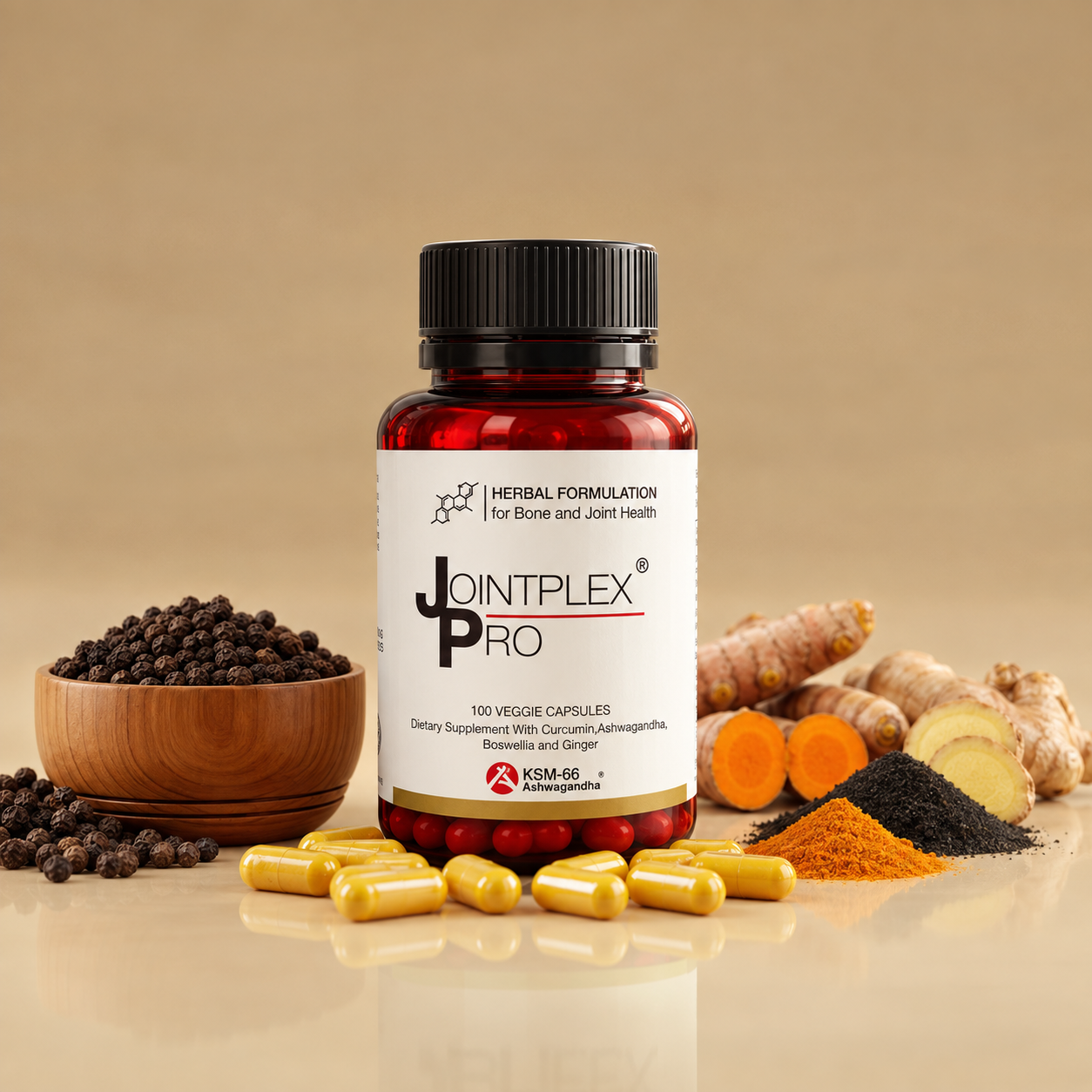
A sore knee on the stairs, stiff fingers in the morning, or aching hips after a short walk can make everyday independence feel less certain. This herbal anti inflammatory review looks beyond attractive labels to help you understand which plant-based ingredients may support joint comfort, what the evidence really says, and how to choose with care.
For many adults, especially those managing osteoarthritis or recurring exercise-related discomfort, the goal is not simply to silence pain for a few hours. It is to move with greater confidence, sleep more comfortably, and keep participating in family life, work, worship, travel, and exercise. A well-chosen supplement may be one part of that plan, but it should never be treated as a replacement for a medical assessment when symptoms are new, severe, or worsening.
What Inflammation Means for Aching Joints
Inflammation is the body’s normal repair response. After an injury or infection, it helps bring immune cells and healing signals to the area. The problem is not inflammation itself. The problem is when inflammatory activity continues, or when a joint is under repeated strain from osteoarthritis, excess load, old injuries, or certain inflammatory diseases.
Osteoarthritis, the most common form of arthritis in older adults, involves gradual changes in joint cartilage and surrounding tissues. It can cause pain, stiffness after rest, reduced range of motion, and swelling. Although it is sometimes described as simple “wear and tear,” that is incomplete. Low-grade inflammation can contribute to symptoms, which is why some people look to herbal ingredients alongside appropriate exercise, weight management, sleep, and medical care.
Herbal supplements are not painkillers in the same way as acetaminophen or nonsteroidal anti-inflammatory drugs (NSAIDs). Their effects, when they occur, are usually more gradual and modest. That can be appropriate for people seeking longer-term support, but it also means promises of instant or dramatic relief should raise concern.
Herbal Anti Inflammatory Review: Ingredients Worth Understanding
A reliable review starts with the ingredient, its dose, its preparation, and its safety profile. “Natural” on a label does not automatically mean effective, gentle, or suitable for every person.
Turmeric and Curcumin
Turmeric contains curcuminoids, including curcumin, compounds studied for their effects on inflammatory pathways. Some clinical studies suggest that standardized curcumin extracts may help reduce osteoarthritis pain and improve function for certain people. Results vary, and the quality of the extract matters greatly.
Curcumin is not absorbed well on its own. Some formulations use specific delivery systems or include piperine, a compound from black pepper, to improve absorption. Higher absorption is not always better for every individual because piperine can affect how the body processes certain medicines. People taking blood thinners, diabetes medication, seizure medication, or multiple prescription drugs should ask a pharmacist or doctor before using a turmeric formula.
Turmeric may also cause stomach upset in some people. It is generally not a casual choice for anyone with gallbladder disease, bile duct obstruction, or a history of kidney stones without professional advice.
Boswellia Serrata
Boswellia, sometimes called Indian frankincense, is another commonly used botanical for joint comfort. Its active compounds, known as boswellic acids, have been studied for their potential effect on enzymes involved in inflammation.
Research suggests certain standardized Boswellia extracts may help some people with knee osteoarthritis, particularly with pain and function. However, different extracts are not interchangeable. A label that simply says “Boswellia” without identifying the extract, concentration, or amount gives a buyer little useful information. Mild digestive effects, such as nausea or reflux, can occur.
Ginger
Ginger is familiar in food and traditional remedies, but concentrated ginger extracts are different from adding ginger to tea. Small studies suggest ginger may provide modest support for osteoarthritis discomfort in some people. It is usually better viewed as a supportive ingredient rather than a stand-alone answer for significant joint pain.
Because ginger may affect bleeding risk, people using anticoagulants or antiplatelet medicines should seek advice before taking high-dose extracts. This is especially relevant before dental work or surgery.
Devil’s Claw and Other Botanicals
Devil’s claw has been used for back pain and osteoarthritis symptoms, and some research suggests possible benefit. Yet it is not suitable for everyone. It may irritate the stomach and may not be appropriate for people with ulcers, gallstones, certain heart rhythm conditions, or those taking medications that affect blood clotting or blood sugar.
Green tea, rose hip, and cat’s claw also appear in some joint products. Their evidence is generally less consistent, or the research is too limited to make strong conclusions. A long ingredient list can look impressive, but more herbs do not necessarily mean a better formula. In fact, unnecessary complexity can make side effects and drug interactions harder to identify.
What Separates a Thoughtful Formula From a Generic Blend
The supplement aisle can be overwhelming because many products use similar words: joint support, mobility, inflammation, and natural relief. Look past those claims. A selective, clinically oriented formula should clearly state the botanical name, plant part or extract type, amount per serving, and recommended daily use.
Be careful with proprietary blends that reveal only a total combined weight. If five ingredients share 500 milligrams, you cannot tell whether any one ingredient is present at a meaningful amount. Standardization can also matter. For example, an extract may specify a percentage of key compounds, which gives more consistency than an unspecified raw powder.
Quality control is just as important. Reputable manufacturers should be able to stand behind identity testing, purity standards, and manufacturing practices. This matters because herbs can vary by growing conditions, processing, and storage. A premium price alone is not proof of quality, but a very low price can be a warning sign when a product claims to contain multiple specialized extracts.
At TSC Health, the focus is on a tightly curated approach rather than an endless catalog. That matters because choosing joint support should feel guided and considered, not like guessing between dozens of nearly identical bottles.
Set Realistic Expectations Before You Start
For most herbal joint supplements, a fair trial is often measured in weeks, not days. Keep a simple record of morning stiffness, pain during walking, sleep disruption, and how easily you manage activities such as getting up from a chair or climbing stairs. This gives you something more useful than relying on a vague impression at the end of the bottle.
If you notice benefit, continue to assess whether it is meaningful. Can you walk farther? Are you relying less often on rescue pain medication? Do you feel more able to do your home exercises? These are practical signs that matter more than a marketing promise.
If there is no clear improvement after a reasonable trial based on the product directions, do not keep buying it out of hope alone. The right next step may be reviewing the diagnosis, activity routine, footwear, body weight, physical therapy needs, or medication plan with a healthcare professional.
Safety Comes Before “Natural” Relief
Herbal supplements can interact with medications and may not be suitable during pregnancy or breastfeeding. This is particularly important for adults taking blood thinners, aspirin, diabetes medicines, blood pressure medicines, immune-suppressing drugs, or several prescriptions at once.
Speak with a clinician promptly if joint pain comes with a hot, red, very swollen joint; fever; sudden inability to bear weight; a recent fall; unexplained weight loss; or pain that repeatedly wakes you at night. These symptoms need medical attention, not a supplement trial.
It is also wise to introduce one new supplement at a time. That makes it easier to identify a reaction such as rash, digestive upset, dizziness, or unusual bruising. Stop the product and seek medical advice if you develop concerning symptoms.
Support the Joint, Not Just the Symptom
The strongest joint-care plan usually combines several modest actions. Gentle strength training helps the muscles around the knee, hip, and shoulder share the workload. Regular low-impact movement, such as walking, cycling, swimming, or chair exercises, can reduce stiffness and maintain confidence. For osteoarthritis, even a small reduction in excess body weight can meaningfully reduce load through weight-bearing joints.
Rest still has a role during a flare, but complete inactivity often makes stiffness worse. The best balance depends on the person, the joint involved, and the cause of pain. For an aging parent, small adjustments like supportive footwear, a handrail, a raised chair, or a walking aid may protect independence as much as any capsule can.
Choose herbal support with the same care you would bring to any health decision. Speak with your healthcare professional about your symptoms, diagnoses, and medications, and learn more about Jointplex Pro if you are looking for additional support for comfortable movement and everyday mobility.


