
Subtotal: MYR0.00
Best Herbal Supplement for Joint Pain?
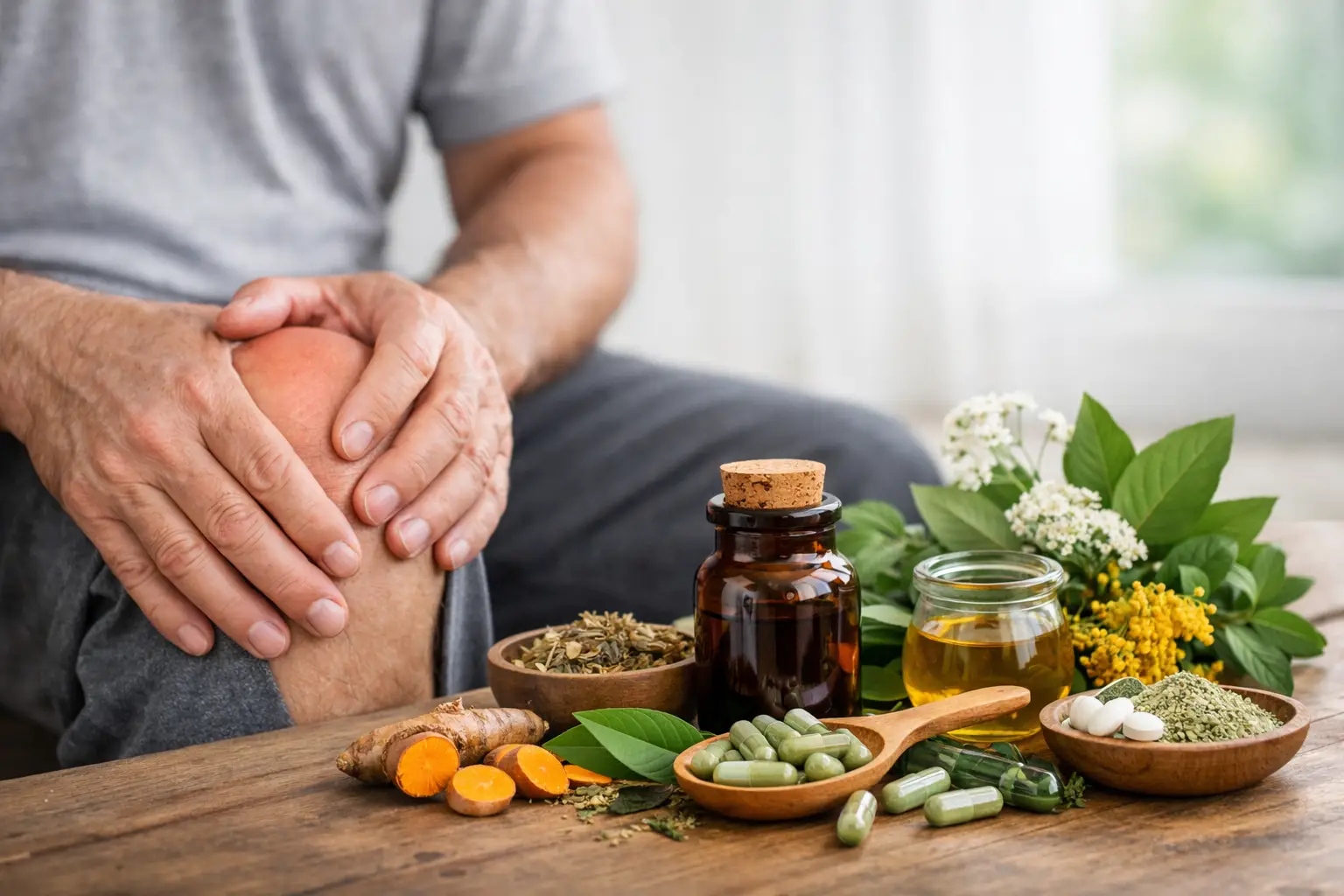
If your knees feel stiff when you get out of bed, your hands ache by late afternoon, or your joints complain every time you take the stairs, you are not looking for hype. You are looking for an herbal supplement for joint pain that actually makes sense – one built around real ingredients, proper dosing, and long-term support for mobility.
That distinction matters. The supplement market is crowded with flashy labels and vague promises, but joint discomfort is not a minor inconvenience when it affects how you walk, exercise, sleep, or carry out a normal day. People dealing with arthritis, age-related stiffness, or recurring inflammation need more than a generic formula. They need targeted support from ingredients chosen for a reason.
What makes an herbal supplement for joint pain worth considering?
A strong formula does not try to do everything. It focuses on the main drivers behind joint discomfort: inflammation, tissue stress, stiffness, and the gradual wear that can make movement harder over time. The best herbal options are usually built around ingredients with a history of use for inflammatory support and a growing body of research behind them.
That said, “natural” is not the same as “effective.” Some products use ingredient names that sound impressive but include tiny amounts that are unlikely to do much. Others combine too many herbs without a clear purpose. A well-designed supplement is selective. It uses a smaller number of meaningful ingredients at sensible strengths and avoids turning the label into a marketing exercise.
This is especially important for people who want dependable support without relying only on frequent pain reliever use. While supplements are not a substitute for medical care, the right formula may help support comfort, flexibility, and day-to-day function in a way that fits a longer-term wellness plan.
The ingredients that matter most for joint support
When people search for a herbal supplement for joint pain, they are often trying to cut through noise and identify what actually helps. A few ingredient categories stand out.
Turmeric and curcumin for inflammation support
Turmeric is one of the most recognized herbs for joint comfort, largely because of curcumin, its most studied active compound. Curcumin has been evaluated for its role in supporting a healthy inflammatory response, which is highly relevant for aching, swollen, or overworked joints.
Still, not all turmeric supplements are equal. Curcumin is not absorbed well on its own, so formula design matters. A product may include black pepper extract or another delivery system to improve bioavailability. Without that, a high milligram number on the front label may be less impressive than it appears.
Boswellia for stiffness and mobility
Boswellia is another ingredient often included in better joint formulas, and for good reason. It has been used to support inflammatory balance and may be especially helpful for stiffness that limits comfortable movement. Many people dealing with knee discomfort or morning tightness are drawn to boswellia because it is commonly associated with mobility support, not just temporary comfort.
For some, boswellia works well as part of a broader blend rather than as a single ingredient. Joint pain rarely has one cause, so a formula that addresses multiple pathways can be more useful than one that relies on a single herb alone.
Ginger and other traditional anti-inflammatory herbs
Ginger is familiar to most people as a digestive herb, but it also has a meaningful place in joint support. It is often used for general inflammatory support and may be a good fit for people who want a gentler, plant-based approach to daily discomfort.
Other botanical ingredients may also appear in premium formulas, but this is where selectivity matters. The question is not whether an herb sounds traditional or trendy. The question is whether it belongs in a joint formula and whether the amount used has a realistic purpose.
Why quality control matters more than people think
One of the biggest problems in this category is that many supplements look similar from the outside. The bottle may say “joint support,” “mobility,” or “inflammation relief,” but the real difference is often hidden in the sourcing, standardization, and formulation standards.
With herbal products, quality can vary widely. Poorly standardized ingredients may be inconsistent from batch to batch. Low-grade raw materials can weaken the formula. Some products are padded with unnecessary fillers or use proprietary blends that hide how little of each ingredient is actually included.
That is why curated supplement providers stand apart from mass-market sellers. A selective retailer is not trying to flood you with options. It is trying to protect you from weak ones. For customers with chronic or recurring joint concerns, that kind of screening is not a luxury. It is often the difference between trying random products and choosing something designed with intent.
Who may benefit from a herbal supplement for joint pain?
This type of support can appeal to several groups, although the experience and goals may differ.
Adults with arthritis or age-related stiffness often want help with daily comfort and easier movement. Their priority is not usually athletic performance. It is being able to get through the day with less resistance from their joints.
Active adults may be dealing with exercise-related soreness, repetitive stress, or discomfort that shows up after walks, workouts, or long periods on their feet. In these cases, the goal is often maintaining movement before minor pain becomes a bigger limitation.
Others are simply trying to reduce how often they depend on conventional pain relief options. That does not mean avoiding medical treatment. It means supporting the body in a way that feels more sustainable for long-term use, especially when stiffness and inflammation are recurring issues.
What to look for before you buy
A good product should make it easy to understand what you are taking and why. Clear labeling matters. Standardized ingredients matter. A thoughtful formula matters.
It also helps to consider whether the brand acts like a curator or just a seller. Joint support is a category where too much choice can work against the customer. Many people do better with a guided, higher-standard approach than with a marketplace full of lookalike bottles.
At TSC Health The Supplement Clinic, that principle is central to how joint support products are selected. Rather than offering a broad catalog, the company focuses on a tightly screened range built around quality, ingredient credibility, and practical fit for people dealing with pain, stiffness, and reduced mobility.
What results should you realistically expect?
This is where honest guidance matters. Even an excellent herbal formula is not an overnight fix. Joint issues develop over time, and support often takes time as well. Some people notice changes in day-to-day comfort within a few weeks, while others need longer, especially if stiffness and inflammation have been building for years.
It also depends on the cause of the discomfort. Mild exercise-related irritation may respond differently than advanced osteoarthritis. Body weight, activity level, sleep, diet, and existing medical conditions can all affect results. A supplement can support the process, but it works best as part of a bigger plan that includes sensible movement, recovery, and medical input when needed.
That trade-off is worth understanding upfront. A quality herbal supplement is often gentler and better suited to ongoing use than simply chasing stronger short-term relief. But gentler support usually requires consistency.
When personalized guidance makes sense
Not every supplement is right for every person. If you take medications, have a medical condition, or are unsure which ingredients fit your needs, direct guidance can save time and frustration. This is especially true with herbal products, since interactions and tolerability can vary.
A more personalized approach is often the smarter one for people with chronic joint pain. Instead of guessing based on label claims alone, they benefit from support that considers symptoms, goals, and whether a formula is appropriate for long-term use.
When someone is trying to protect mobility, reduce stiffness, and feel more confident in everyday movement, the right recommendation is rarely the most heavily advertised one. It is the one that has been selected carefully and matched thoughtfully.
Choosing an herbal supplement for joint pain should feel less like gambling on a bottle and more like making a clear, informed health decision. The right formula will not promise miracles. It will offer something better – credible ingredients, quality you can trust, and real support for staying active in the life you want to keep living.


