
Subtotal: SGD$0.00
Natural Anti Inflammatory Herbs Comparison
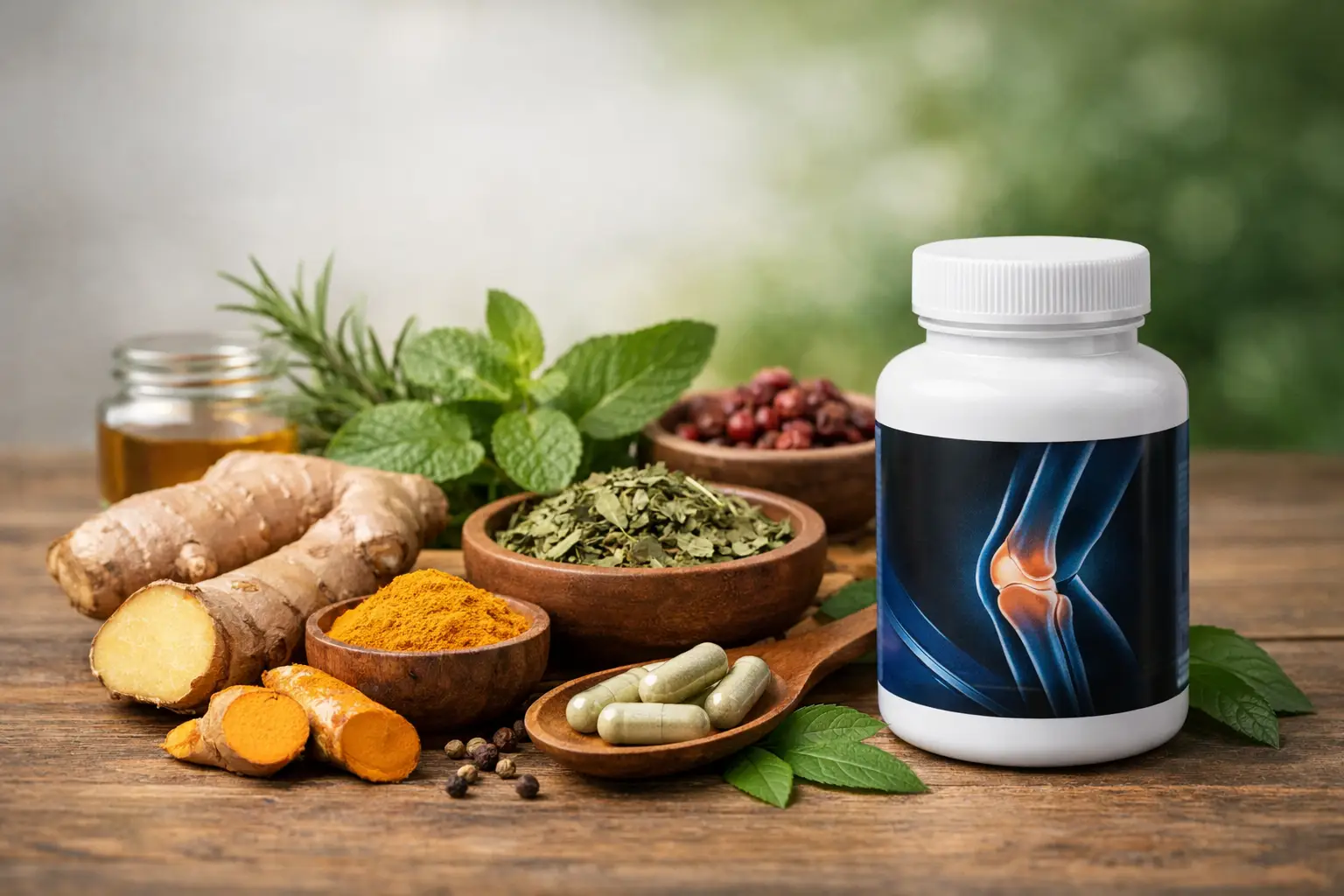
A sore knee on the stairs, stiff fingers in the morning, or hips that complain after a long car ride can change how freely a person lives. A natural anti inflammatory herbs comparison can help separate ingredients with meaningful joint research from those that are simply popular on a label. The right choice is rarely about finding one “best” herb. It is about understanding the cause of discomfort, the quality of the formula, and the person taking it.
Herbs may support a healthy inflammatory response and improve comfort for some people with osteoarthritis, exercise-related aches, or recurring stiffness. They do not replace a medical assessment, physical therapy, weight management where appropriate, or prescribed treatment for arthritis. Sudden swelling, a hot or red joint, fever, injury, or severe pain needs prompt medical attention.
Natural Anti Inflammatory Herbs Comparison for Joints
Inflammation is part of the body’s repair process. After an injury or hard workout, it helps bring immune cells and nutrients to the affected area. The problem is persistent, low-grade inflammation or joint wear that keeps pain and stiffness going long after the body should have settled.
Different herbs work through different pathways. Some may influence inflammatory signaling chemicals. Others may offer antioxidant support or affect how pain signals are perceived. Results are usually gradual, often taking several weeks of consistent use. A carefully selected, standardized extract is generally more meaningful than a large but poorly defined amount of raw herb powder.
| Herb | What the evidence suggests | Best fit | Main cautions | |—|—|—|—| | Turmeric/curcumin | May help reduce osteoarthritis pain and stiffness in some adults | Ongoing knee or general joint discomfort | May interact with blood thinners; use caution with gallbladder disease | | Boswellia | May support joint comfort and function, especially in osteoarthritis | Stiffness that limits walking or daily movement | Can cause stomach upset; quality and extract standardization matter | | Ginger | May provide modest support for pain and inflammation | Mild aches or those who prefer a familiar food-based herb | May increase bleeding risk with anticoagulants at supplemental doses | | Devil’s claw | May ease some low back or osteoarthritis discomfort | Selected adults with chronic musculoskeletal pain | Avoid in pregnancy and use caution with ulcers, gallstones, and heart medicines |
The table is a starting point, not a prescription. Age, medication use, kidney and liver health, reflux, diabetes, and the exact diagnosis can all change what is appropriate.
Turmeric and curcumin: widely studied, but absorption matters
Turmeric is the golden spice used in many Asian dishes. Curcumin is one of its key active compounds and the part most often studied in supplements. Clinical studies suggest certain curcumin extracts may modestly improve pain and physical function in people with knee osteoarthritis. For some, this can mean greater comfort getting up from a chair or taking a daily walk.
The challenge is absorption. Curcumin on its own is not easily absorbed by the body, so quality formulations may use a delivery method designed to improve bioavailability. This is one reason that comparing milligrams alone can be misleading. A very high number on a generic bottle does not automatically mean better results.
Turmeric is not suitable for everyone. It can irritate the stomach in some people and may be unsuitable for those with bile duct obstruction or certain gallbladder conditions. Anyone using warfarin, other blood thinners, or multiple medications should ask a pharmacist or clinician before taking a concentrated curcumin supplement.
Boswellia: a focused option for stiffness and function
Boswellia serrata, sometimes called Indian frankincense, contains compounds known as boswellic acids. Research on standardized boswellia extracts suggests they may support comfort, reduce stiffness, and improve function in some people with osteoarthritis, particularly of the knee.
Boswellia can be a sensible consideration when stiffness is as troubling as pain. A person may not describe their problem as sharp pain. They may say, “My knees take time to warm up,” or “I avoid stairs because I do not trust my legs.” Improvements, if they occur, are generally measured over weeks rather than days.
Look beyond the herb name. The amount and type of boswellia extract, including how it is standardized, affects what a product is likely to deliver. Mild digestive effects are possible. If a parent is taking several prescription medicines, it is wise to have their medication list reviewed before adding any herbal formula.
Ginger: familiar and gentle, with more modest effects
Ginger has a long history of food and traditional use. Its active compounds, including gingerols and shogaols, have anti-inflammatory and antioxidant actions in laboratory research. Human studies in osteoarthritis show potential for modest pain relief, although results are less consistent than many advertisements suggest.
For people who enjoy ginger in meals or tea, it can be a practical part of an overall joint-friendly routine. Supplemental ginger may be considered when a clinician agrees it is appropriate, but it should not be expected to transform advanced arthritis on its own. Ginger can cause heartburn or stomach discomfort and deserves extra caution for people using anticoagulant or antiplatelet medication.
Devil’s claw: useful for some, not a universal choice
Devil’s claw is a South African herb traditionally used for pain and digestive complaints. Some studies suggest it may help with low back pain and osteoarthritis symptoms, but study quality and extracts vary. It is not as broadly suitable as turmeric or boswellia because its safety considerations are more restrictive.
People with stomach ulcers, gallstones, heart rhythm concerns, or diabetes should not self-select devil’s claw without professional advice. It should also be avoided during pregnancy. For an older adult managing several health conditions, a simpler formula with well-understood ingredients may be the safer path.
What a Good Comparison Should Include
The label should tell you more than a long list of botanical names. First, look for standardized extracts when evidence for a specific active compound exists. Standardization does not guarantee that a supplement will work, but it provides more confidence that each serving contains a consistent level of the studied plant components.
Second, avoid assuming that more ingredients are always better. A crowded blend can make it difficult to know what is helping, what is causing side effects, and whether the doses are meaningful. A selective formula with ingredients chosen for a clear purpose is often easier to assess and use consistently.
Third, consider the full treatment plan. Osteoarthritis is not caused by inflammation alone. Joint structure, muscle strength, body weight, sleep, footwear, old injuries, and activity level all play a role. An herb that reduces discomfort may be most valuable when it helps a person return to gentle strengthening, walking, swimming, or the movement plan recommended by a clinician.
How to Choose Safely for Yourself or a Parent
If symptoms are new, worsening, or affecting sleep and independence, begin with a medical review. Joint pain can come from osteoarthritis, gout, rheumatoid arthritis, tendon problems, nerve pain, or an injury. These conditions need different care, and delaying the right diagnosis can be costly.
When adding an herbal supplement, introduce one new product at a time and give it a fair trial based on the label and your clinician’s advice. Keep a simple record of morning stiffness, pain during activity, and ability to perform a meaningful task, such as climbing stairs or opening jars. This is more useful than judging the product on a single good or bad day.
Stop and seek advice if there is rash, breathing difficulty, severe stomach pain, unusual bruising, black stools, or a clear worsening of symptoms. Herbal products can have real biological effects, which is precisely why quality screening and medication checks matter.
For many adults, the best natural support is not the herb with the loudest promise. It is a carefully chosen formulation, realistic expectations, and a plan that protects mobility for the long term. Speak with your healthcare professional before starting a new supplement, especially if you use prescription medication, and learn more about Jointplex Pro if you are looking for additional, thoughtfully formulated joint support.


