
Subtotal: SGD$0.00
How to Manage Hip Stiffness Naturally at Home
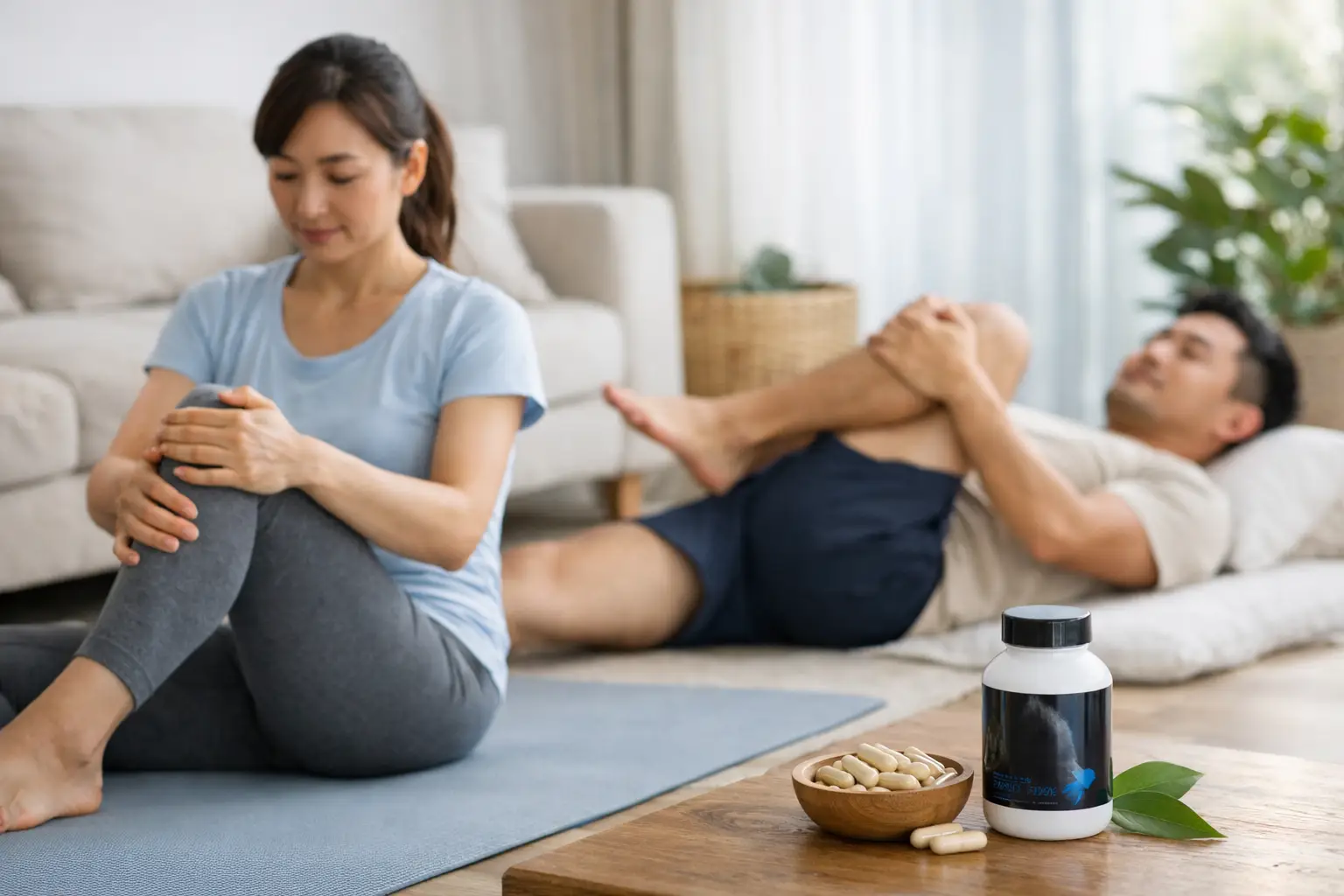
Getting out of a low chair, turning in bed, or taking the first few steps after sitting can feel surprisingly difficult when your hip is stiff. For many adults, learning how to manage hip stiffness naturally starts with small, consistent changes that help the joint move more comfortably without forcing it through pain.
Hip stiffness is common with aging, arthritis, long periods of sitting, old injuries, and reduced muscle strength around the hips. It may also show up after a new exercise routine or a busy day on your feet. The goal is not to “push through” severe discomfort. It is to keep the hip gently active, reduce unnecessary irritation, and know when symptoms need medical attention.
Why Hip Stiffness Happens
The hip is a ball-and-socket joint designed to carry a great deal of body weight. It relies on healthy cartilage, joint fluid, muscles, tendons, and surrounding connective tissue to move smoothly. When any of these structures become irritated, tight, weak, or worn over time, the hip may feel stiff.
Osteoarthritis is one common cause in adults over 40. In osteoarthritis, the cartilage that cushions the joint changes over time, which can lead to aching, stiffness after rest, and reduced range of motion. Stiffness that improves after several minutes of gentle movement is often described as “start-up stiffness.”
However, hip discomfort is not always coming from the hip joint itself. The lower back, buttock muscles, groin, and even the knee can refer pain to the hip area. That is why a new or persistent problem deserves a careful assessment rather than an assumption.
How to Manage Hip Stiffness Naturally With Movement
Rest has a place after a flare-up, but too much sitting can make stiffness worse. Gentle, regular movement helps circulate joint fluid, warm the muscles, and maintain the hip’s usable range of motion. The right amount depends on your symptoms and fitness level.
Start With a Short Morning Mobility Routine
Many people notice stiffness most after waking or sitting for a long time. Before rushing into the day, take five to 10 minutes to move gradually. You might begin with a slow walk around the home, followed by seated knee lifts, gentle hip circles while standing with support, or a few controlled sit-to-stands from a firm chair.
A simple rule is to stay within a comfortable range. Mild tightness that eases as you move can be acceptable. Sharp pain, catching, giving way, or pain that continues to build is a sign to stop and seek professional guidance.
Strengthen the Muscles That Support the Hip
Strong glutes, thighs, and core muscles reduce the load placed directly on the hip joint during walking, climbing stairs, and standing up. This is particularly valuable for people with age-related mobility decline or arthritis.
Start with low-impact exercises two or three times a week, allowing rest days between sessions. Supported squats to a chair, side leg raises while holding a countertop, bridges, and step-ups on a low step may be suitable for some people. A physical therapist can adjust these exercises if one hip is significantly weaker, painful, or limited.
More exercise is not always better. If your pain is noticeably worse the following morning, lower the number of repetitions, reduce the depth of the movement, or take an extra recovery day.
Choose Joint-Friendly Cardio
Walking is excellent for many people, but it is not the only option. Cycling on a properly adjusted stationary bike, water walking, swimming, and gentle tai chi can improve circulation and confidence in movement with less impact on the joints.
If you have been inactive, begin with 10 minutes and build slowly. Consistency matters more than intensity. Three short walks spread across the day can be more comfortable than one long outing, especially if stiffness worsens after prolonged activity.
Use Heat and Recovery Wisely
Warmth often helps a stiff hip feel easier to move. A warm shower, heating pad, or warm compress for 15 to 20 minutes before activity may relax tight muscles and reduce the feeling of being “stuck.” Keep the temperature comfortable, protect your skin with a towel barrier, and avoid falling asleep with a heating pad.
Cold can be more helpful after activity if the area feels hot, swollen, or newly irritated. Use a wrapped cold pack for short periods rather than placing ice directly on the skin. Some people benefit from heat before movement and cold afterward, but response varies.
Recovery also includes pacing. Gardening, shopping, cleaning, and caring for grandchildren can all place more demand on the hip than expected. Break larger tasks into smaller blocks, alternate standing and sitting, and avoid repeatedly bending or twisting in one direction for long periods.
Improve Your Sitting and Sleeping Position
A hip held in the same position for too long is likely to stiffen. If you work at a desk or spend hours watching television, stand and move for two to three minutes at least every 30 to 60 minutes. A timer can help make this a realistic habit.
Choose a chair that is firm enough to stand from easily. Very low, soft sofas can leave the hips deeply bent and make getting up harder. When sitting, keep both feet supported rather than crossing your legs for long periods.
At night, side sleepers may be more comfortable with a pillow between the knees to keep the top hip from dropping forward. Back sleepers can try a pillow under the knees if it reduces strain through the hips and lower back. There is no single perfect sleep position. The best choice is the one that lets you wake with less pain and stiffness.
Support a Healthy Weight Without Extreme Dieting
Carrying extra body weight can increase the forces going through the hip during walking and stair climbing. Even gradual weight loss, when appropriate, may reduce joint load and improve comfort. But aggressive dieting can leave older adults short of protein and key nutrients needed to maintain muscle.
Aim for regular meals built around protein, vegetables or fruit, high-fiber carbohydrates, and healthy fats. Protein is especially useful for maintaining the muscle that supports the hip. Good options include fish, eggs, yogurt, tofu, beans, chicken, and lean meat, depending on your dietary needs.
Hydration also matters. It will not rebuild cartilage, but dehydration can contribute to fatigue, cramps, and a general sense of sluggishness that makes activity harder. In hot, humid conditions, remember to drink regularly unless your clinician has advised fluid restriction.
Consider Natural Joint Support Carefully
Some people want additional support beyond movement, heat, and lifestyle habits. Natural ingredients used for joint comfort may be helpful for certain individuals, but they are not a replacement for diagnosis, exercise, or medical treatment when it is needed.
Quality matters because supplements can vary widely in ingredient identity, dosage, purity, and formulation. Look for products with clearly stated ingredients and avoid broad promises that suggest a supplement can cure arthritis or replace prescribed medication. If you take blood thinners, diabetes medication, blood pressure medication, or multiple prescriptions, ask a pharmacist or healthcare professional before starting a joint supplement. This is also essential if you have kidney disease, liver disease, ulcers, or are preparing for surgery.
A carefully formulated option such as Jointplex Pro may be worth discussing if you are seeking natural, longer-term joint support alongside healthy daily habits. Give any appropriate approach time and track practical changes, such as how easily you rise from a chair, walk after sitting, or manage stairs.
When Hip Stiffness Needs Medical Attention
Natural self-care is appropriate only when symptoms are mild, familiar, and improving. Seek urgent medical care for sudden severe hip pain, an inability to bear weight, a fall or injury, fever, redness or warmth around the joint, or a hip that looks deformed.
Arrange a medical review if stiffness lasts more than a few weeks, repeatedly disrupts sleep, causes limping, or is steadily worsening. Pain deep in the groin, pain that travels down the leg, numbness, unexplained weight loss, or new bowel or bladder changes also need prompt assessment. These symptoms can point to conditions beyond ordinary joint stiffness.
A healthcare professional can examine your hip, back, and walking pattern, review your medicines, and decide whether imaging, physical therapy, or another treatment is needed. Getting clarity early can prevent months of unnecessary limitation.
Hip stiffness can make everyday independence feel smaller than it should. Gentle movement, sensible pacing, supportive strength work, and careful recovery can help you protect your mobility one day at a time. Speak with your healthcare professional about persistent symptoms, and learn more about Jointplex Pro if you are looking for additional natural joint support.


