
 Jointplex Pro - Herbal Supplement For Joint Pain with Curcumin
 Subtotal: SGD$76.20
Subtotal: SGD$76.20
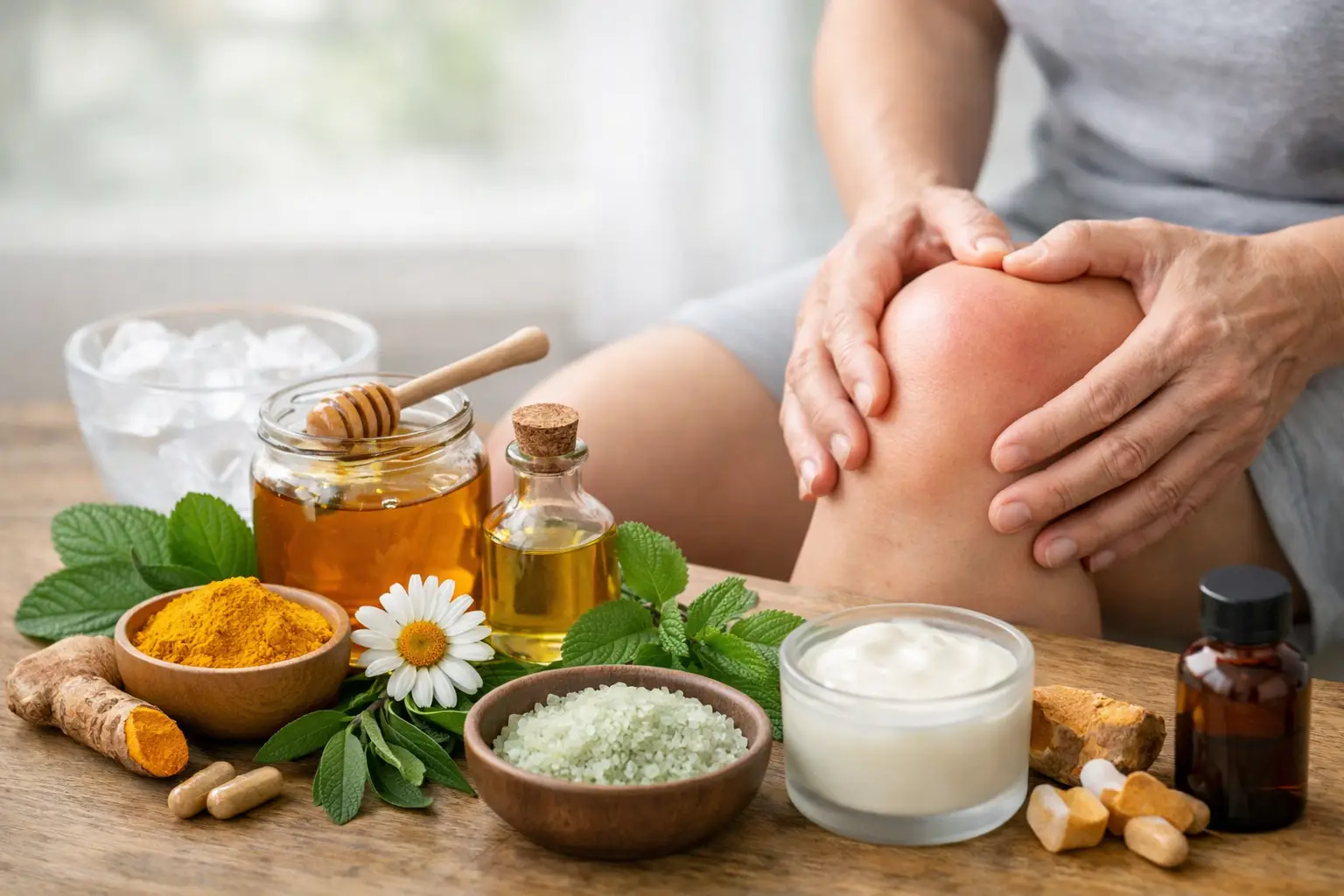
Swollen joints can change the rhythm of your whole day. A stiff knee makes stairs feel harder, puffy fingers turn simple tasks into a chore, and an inflamed ankle can make you think twice before taking a walk. If you are asking what helps swollen joints naturally, the most effective answer is usually not one single remedy. It is a combination of calming inflammation, reducing strain, and supporting the joint over time.
Joint swelling often happens when the body sends fluid and inflammatory chemicals into a joint that feels irritated or damaged. That can happen with arthritis, overuse, an old injury, autoimmune conditions, or simply wear and tear that builds up with age. Natural support can make a real difference, but it works best when you match the approach to the cause.
For many people, the first step is managing the flare without making the joint more irritated. Cold therapy is often one of the most useful tools when swelling is obvious, warm to the touch, or triggered by recent activity. A cold pack wrapped in a towel for 10 to 15 minutes can help calm the area and reduce that heavy, pressured feeling.
Heat has a place too, but timing matters. If the joint is actively swollen, heat can sometimes make it feel more inflamed. When swelling has settled but stiffness remains, a warm compress or shower may help loosen the tissues around the joint and make movement easier.
Elevation can also help, especially for knees, ankles, and feet. If swelling gets worse at the end of the day, giving the joint time above heart level may reduce fluid buildup. Compression sleeves can be useful for some people, but they should feel supportive, not tight. Too much pressure can make discomfort worse.
Rest is important, but complete inactivity usually backfires. Joints tend to stiffen when they are not used at all. The goal is relative rest – reducing the motion or load that triggered the flare while keeping the joint gently moving within a comfortable range.
One of the biggest mistakes people make with swollen joints is assuming they should stop moving entirely. In reality, careful movement helps circulate joint fluid, maintain flexibility, and prevent surrounding muscles from becoming weak. Weak muscles leave joints less supported, which can lead to even more irritation.
Walking, stretching, swimming, and light range-of-motion exercises can all help, depending on the joint involved. If your fingers are swollen, opening and closing the hand slowly may be useful. If your knees are the problem, short walks on flat ground or seated leg movements may feel better than long periods on the couch.
The key is to respect the difference between mild discomfort and obvious aggravation. A little stiffness as you start moving is common. Sharp pain, increasing swelling, or soreness that lingers well after activity is a sign to scale back.
When people ask what helps swollen joints naturally, diet comes up for good reason. Food will not act like an instant pain reliever, but over time it can influence how much inflammation the body is dealing with.
A pattern that tends to support joint comfort includes fatty fish, berries, leafy greens, olive oil, nuts, seeds, and high-fiber foods. These foods provide nutrients and compounds linked with lower inflammatory activity. Staying well hydrated matters too, especially if swelling is paired with stiffness and limited mobility.
At the same time, some people notice more flare-ups when their diet is heavy in ultra-processed foods, excess sugar, fried foods, or alcohol. This is not the same for everyone. Some people also find that certain personal triggers, such as a particular food or a very salty meal, leave them feeling more puffy and uncomfortable the next day.
It is worth paying attention to patterns rather than chasing extreme restrictions. A sustainable anti-inflammatory diet usually helps more than a short burst of perfect eating.
Certain herbs and nutrients are commonly used to support joint comfort because they target inflammation, tissue stress, or mobility. This is where quality matters. The supplement market is crowded with products that look impressive on the label but fall short in formulation, sourcing, or consistency.
Turmeric is one of the best-known options, largely because of its active compounds called curcuminoids. It may help moderate inflammatory pathways, but the form and absorption support matter. A low-grade turmeric capsule is not the same as a well-formulated product designed for bioavailability.
Boswellia is another ingredient with a strong reputation in joint support formulas. It has been studied for its effects on inflammatory processes and may be especially helpful for stiffness and movement-related discomfort. Ginger can also support inflammation control and may be a good fit for people looking for broader whole-body support.
Glucosamine, chondroitin, MSM, and collagen are often discussed in relation to joint structure and long-term comfort. They are not fast-acting swelling remedies, but some people find them helpful as part of a bigger plan focused on preserving mobility and supporting joint tissues over time.
This is one reason curated formulations tend to serve customers better than random single-ingredient purchases. When ingredients are selected with a specific purpose, dosed appropriately, and screened for quality, the result is often more practical and more trustworthy.
If swollen joints keep returning, especially in the knees, hips, feet, or lower back, it helps to look beyond inflammation alone. Mechanical stress plays a major role. Even a strong natural anti-inflammatory plan may have limited effect if the joint is repeatedly overloaded.
For some people, modest weight loss reduces pressure on weight-bearing joints enough to noticeably improve daily comfort. For others, the issue is footwear. Unsupportive shoes can change the way force moves through the ankles, knees, and hips, leading to irritation that keeps flaring.
Repetitive movements also matter. Gardening, kneeling, long drives, climbing stairs, and certain gym routines can all aggravate the same joint over and over. It does not always mean you need to stop the activity. Sometimes changing form, using support, or building in more recovery time is enough.
People rarely connect poor sleep with swollen joints, but the relationship is real. The body does more repair work during quality sleep, and poor rest can make pain feel sharper while also increasing inflammatory strain. If swelling tends to feel worse after several bad nights, that is not your imagination.
Stress can have a similar effect. It does not cause every flare, but it can make the body more reactive and can increase muscle tension around already sensitive joints. Simple habits like regular sleep times, light evening stretching, breathing exercises, and pacing your day can support recovery more than they get credit for.
Natural approaches can be very effective for mild to moderate swelling, recurring stiffness, exercise-related irritation, and age-related joint discomfort. They are especially valuable for people who want to support long-term mobility rather than relying only on symptom masking.
But there are times when swelling needs medical evaluation. If a joint is suddenly very swollen, red, hot, difficult to bear weight on, or paired with fever, that should not be brushed off as routine inflammation. The same is true if one joint keeps enlarging for no clear reason or if symptoms are rapidly getting worse.
Persistent swelling can point to gout, inflammatory arthritis, infection, or an injury that needs proper diagnosis. Natural care and professional evaluation are not opposites. Often, the best outcomes come from using both wisely.
If you want to know what helps swollen joints naturally in a way that is realistic and sustainable, think in layers. Calm the flare with cold therapy, relative rest, elevation, and gentle movement. Support the body with anti-inflammatory foods, better sleep, and less repeated strain. Then, if ongoing joint discomfort is part of your life, consider a high-quality joint support formula that is designed for more than marketing appeal.
That selectivity matters. At TSC Health The Supplement Clinic, the focus is not on offering endless choices. It is on screening for formulations that are built to support relief, mobility, and long-term joint comfort with serious attention to ingredient quality.
Swollen joints are frustrating because they interrupt ordinary life. The good news is that steady, natural support can often help you move with more ease, more confidence, and less day-to-day limitation.

Enjoy FREE SHIPPING for all purchases! (MY and SG only)

Buy 6 products, get 10% off your
entire purchase


