
Subtotal: SGD$0.00
What Causes Joint Flare Ups? Common Triggers
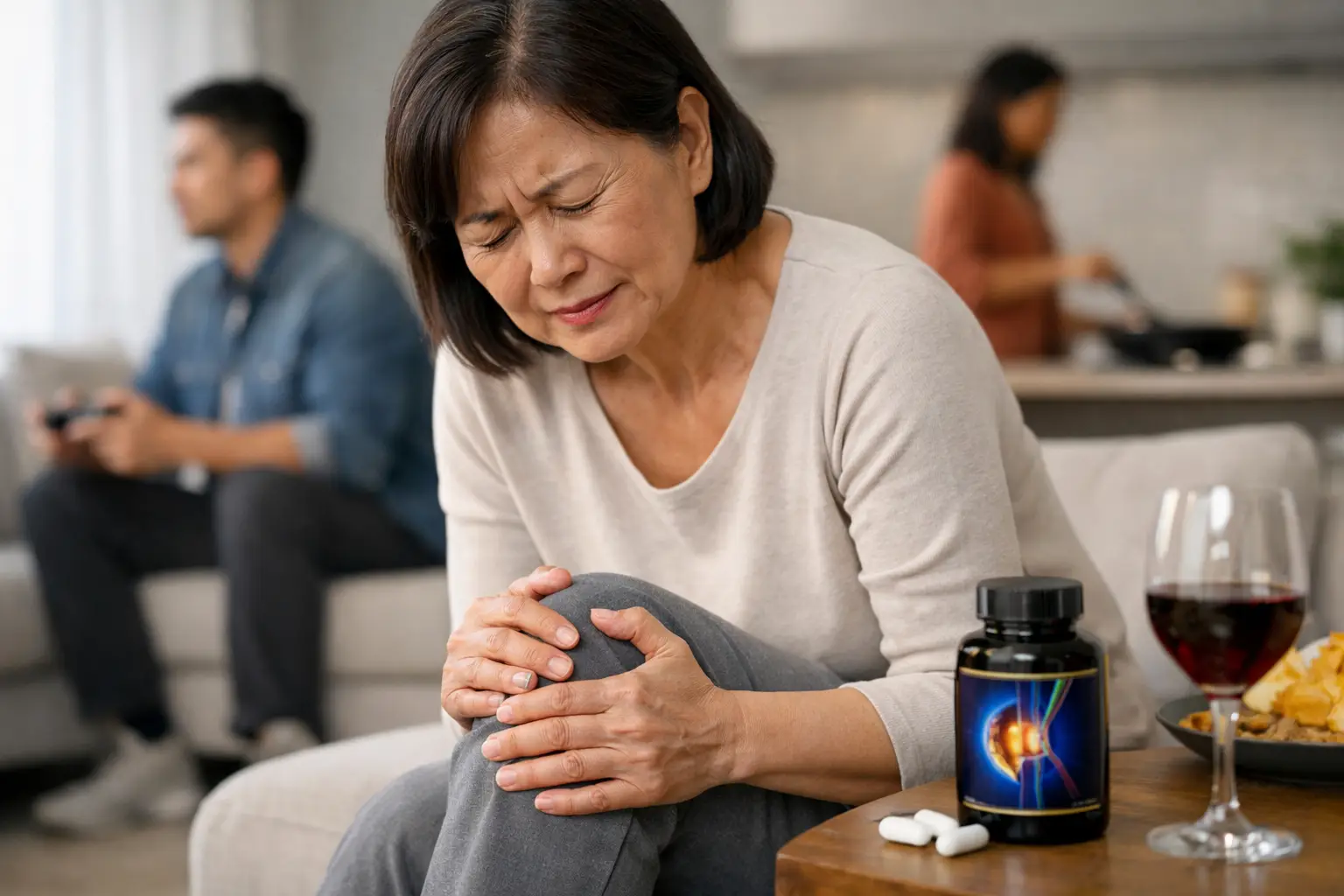
A knee that suddenly feels hot on the stairs, fingers that will not close around a mug, or a familiar ache that returns after a quiet week can feel discouraging. If you are asking what causes joint flare ups, the short answer is that inflammation, physical stress, and everyday habits often collide. The more useful answer is that your triggers may be personal, and finding them can help you protect your mobility rather than simply react to pain.
A flare-up is a noticeable increase in joint symptoms. It may bring pain, swelling, stiffness, warmth, tenderness, reduced range of motion, or fatigue. For someone with arthritis, a flare can be tied to the underlying condition. For an active person, it may follow a demanding workout, an old injury, or insufficient recovery. Either way, recurring joint discomfort deserves thoughtful attention.
What Causes Joint Flare Ups in Daily Life?
Joint flare-ups rarely have one single cause. A joint that is already affected by osteoarthritis, rheumatoid arthritis, gout, past injury, or ongoing wear can be more sensitive to small changes in activity, sleep, diet, or stress.
Too much activity, too quickly
A sudden jump in walking distance, gardening, lifting, running, or household chores can irritate a joint that has not had time to adapt. This does not mean movement is bad. In fact, regular, appropriate movement is one of the best ways to support joint function. The issue is often the pace of change.
Someone who has been mostly sedentary may feel a flare after a long weekend on their feet. An experienced exerciser may feel it after increasing weight, mileage, or training frequency without enough recovery. Repetitive movements, poor form, and worn-out footwear can add extra strain, especially at the knees, hips, ankles, shoulders, and hands.
The practical approach is not to stop moving indefinitely. Scale back during a flare, then return gradually. Gentle walking, mobility work, water exercise, or a carefully structured strength routine may be more sustainable than alternating between overdoing it and doing nothing.
Inflammation from arthritis and autoimmune conditions
Inflammation is central to many joint flare-ups. Osteoarthritis involves changes to cartilage and other joint tissues, and symptoms can worsen after overuse or prolonged inactivity. In inflammatory conditions such as rheumatoid arthritis or psoriatic arthritis, the immune system can drive swelling and pain even when there has been no obvious physical trigger.
Gout is another distinct cause. It occurs when uric acid crystals collect in a joint, often causing sudden and severe pain, redness, and swelling. The big toe is a classic location, but gout can affect other joints too. Alcohol, dehydration, certain foods, illness, and some medications may contribute for susceptible individuals.
This distinction matters. A person with a mild osteoarthritis flare may benefit from activity adjustments and supportive lifestyle measures, while a new or severe inflammatory flare may require prompt clinical assessment and a treatment plan. Supplements can complement a healthy joint-care routine, but they are not a replacement for diagnosis or prescribed care.
Weather, sleep, and stress
Many people notice that their joints seem more uncomfortable before rain or during cooler weather. Research on weather and joint symptoms is mixed, but changes in temperature, humidity, air pressure, and activity levels may influence how pain is perceived. The pattern is real for many people even if the exact mechanism varies.
Poor sleep and ongoing stress can also lower your pain threshold. When sleep is interrupted night after night, the body has less opportunity to recover, and stiffness can feel more intense the next morning. Stress may increase muscle tension and amplify the way the nervous system processes pain.
These triggers are not a sign that symptoms are “all in your head.” They are reminders that joint comfort is connected to the whole person. Better sleep habits, calming routines, and realistic activity pacing can make a meaningful difference over time.
Food, hydration, and body weight
Diet does not cause every joint flare, and there is no single eating plan that works for everyone. Still, some people notice more symptoms after frequent intake of heavily processed foods, excess added sugar, or alcohol. For people with gout, food and drink choices can be particularly relevant.
Hydration matters as well, especially in hot climates, during exercise, or for those prone to gout. Dehydration can place additional stress on the body and may contribute to symptoms in susceptible people.
Body weight is another practical factor for weight-bearing joints. Extra load can increase stress on the knees, hips, feet, and lower back. That said, pain can make exercise difficult, and weight management should never be framed as blame. Small, sustainable changes in food choices and joint-friendly activity are usually more helpful than extreme plans.
Less Obvious Triggers for Joint Pain Flares
A long period of sitting can be just as frustrating as overactivity. Joints may stiffen after a flight, a day at a desk, or an evening on the couch. Brief movement breaks, gentle stretching, and changing positions regularly can help reduce that locked-up feeling.
An old injury can also leave a joint more vulnerable. Previous ligament tears, fractures, dislocations, or surgery may alter how a joint moves and bears weight. If the same joint keeps flaring, a physical therapist or clinician can assess whether strength, alignment, footwear, or movement patterns are contributing.
Illness and infection can temporarily aggravate symptoms, particularly in people with inflammatory arthritis. Medication changes may matter too. Do not stop or alter prescribed medication because of a flare without speaking to the clinician who manages your care.
How to Respond When a Flare Begins
Start by paying attention to the character of the flare. Is the joint swollen or warm? Did pain start after a new activity? Is it worse in the morning, at night, or after sitting? A simple symptom note can reveal patterns that memory often misses.
For a mild, familiar flare, reduce aggravating activity for a short period while avoiding complete immobility. Some people find cold packs helpful for a hot, swollen joint, while gentle warmth can ease stiffness. Use either carefully, with a cloth barrier to protect the skin and short sessions rather than prolonged exposure.
Supportive daily habits matter between flares as much as they do during one. Prioritize consistent sleep, balanced meals, adequate fluids, and movement that builds strength without causing a pain spike afterward. If exercise consistently leaves you worse the following day, the dose may be too high or the activity may need modification.
For those seeking natural support, ingredient quality deserves scrutiny. Many joint products rely on vague blends, low doses, or ingredients with little meaningful purpose. TSC Health takes a selective approach to joint support, focusing on carefully screened formulations designed around anti-inflammatory support, comfort, and mobility. A well-formulated supplement may fit into a broader routine, particularly for people who want to support long-term function without depending only on short-term symptom masking.
When a Joint Flare Needs Medical Attention
Do not assume every painful episode is routine. Seek urgent medical care if a joint becomes suddenly very painful, hot, red, and swollen, especially if you have fever, chills, or feel unwell. These symptoms can signal an infection or an acute inflammatory problem that needs prompt evaluation.
You should also arrange a medical assessment for a new joint problem, a flare after a significant injury, inability to bear weight, visible deformity, numbness, or symptoms that persist despite rest and basic self-care. If you have diagnosed rheumatoid arthritis, gout, or another inflammatory condition and flares are becoming more frequent, your treatment plan may need review.
A more useful goal than chasing perfect days
Joint health is not about never feeling stiff again. It is about having fewer disruptions, recovering more confidently, and keeping the freedom to walk, work, exercise, and care for the people you love. Notice your patterns, respect a flare before it becomes a setback, and choose support that is worthy of a long-term place in your routine.


