
Subtotal: MYR0.00
Walking With Knee Stiffness: What Helps Most
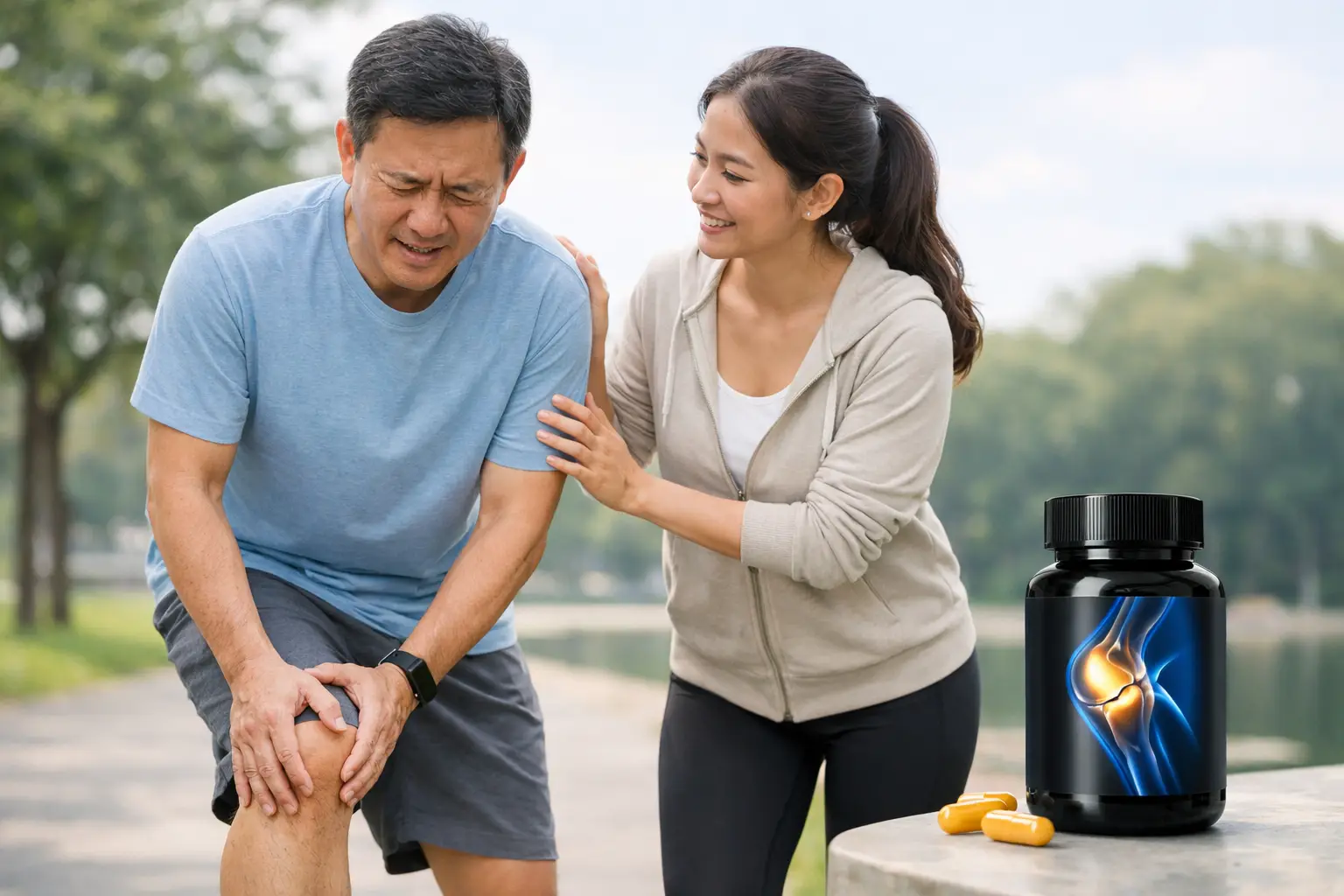
The first few steps after getting out of bed can tell you a lot about your knees. When walking with knee stiffness means pausing before the bathroom, avoiding the stairs, or holding onto furniture for support, it is more than a small inconvenience. For many adults, it can affect confidence, independence, exercise, and the ability to care for family.
Knee stiffness is common, especially after age 40, but it should not simply be accepted as part of getting older. Understanding what may be causing it can help you choose sensible next steps, protect your knee from further strain, and know when professional assessment is needed.
Why walking with knee stiffness happens
Stiffness is the feeling that the knee will not bend, straighten, or move freely. It can be present with pain, swelling, clicking, or a sense that the joint is weak. Sometimes it improves after a few minutes of movement. Other times, walking makes it steadily worse.
A frequent cause is osteoarthritis, where the tissues within the joint gradually change over time. Cartilage, the smooth tissue that helps bones glide, can become thinner and less effective at cushioning movement. The joint lining may also become irritated, leading to inflammation, aching, and stiffness.
Morning stiffness that lasts less than about 30 minutes, or stiffness after sitting through a movie or long car ride, is often seen with osteoarthritis. The knee may feel better once it has warmed up, but excessive activity can bring discomfort back later in the day.
Other possible causes include a previous knee injury, overuse from a sudden increase in walking or exercise, tendinitis, a meniscus problem, or muscle weakness around the hip and thigh. Inflammatory arthritis, such as rheumatoid arthritis, can also cause prolonged morning stiffness, warmth, and swelling. This needs medical attention because early treatment can help protect the joints.
For caregivers, it is worth noticing patterns in a parent or spouse. Are they walking more slowly? Avoiding outings? Reaching for railings they used to ignore? These changes can be early signs that knee symptoms are limiting daily life.
Start with the right kind of movement
It may seem logical to rest a stiff knee completely. Short-term rest can be helpful after a flare-up, but too much inactivity can make stiffness worse. The muscles that stabilize the knee become weaker, and the joint can feel even less reliable when walking resumes.
The goal is not to push through sharp pain. It is to keep the joint moving within a comfortable range. Before a walk, spend a few minutes marching gently in place, bending and straightening each knee while seated, or taking an easy lap around the home. A warm shower or warm compress before activity may also loosen a knee that feels stiff first thing in the morning.
Choose a flat, predictable walking surface when possible. Uneven paths, steep hills, and repeated stair climbing place greater demand on the knee. Supportive, well-fitting shoes with stable soles can make a meaningful difference, especially if worn-out footwear is contributing to poor alignment.
Start smaller than you think you need to. A 10-minute walk after meals may be easier on the knee than one long walk. If symptoms are manageable during the walk and have settled back to their usual level by the next day, that amount is generally a reasonable starting point. If pain or swelling clearly increases and remains worse the next day, reduce the duration, pace, or frequency.
Build strength around the joint
Strong thigh, hip, and glute muscles help absorb load as you walk. They do not cure arthritis, but they can improve knee support and function. A physical therapist can provide a program based on your balance, pain level, and medical history.
Simple movements such as sit-to-stands from a sturdy chair, gentle straight-leg raises, and low-step exercises may be appropriate for some people. Form matters. A poorly performed exercise or a knee forced into deep bending can aggravate symptoms. If the knee feels unstable, catches, or gives way, seek guidance before starting new exercises.
Practical ways to ease a stiff knee at home
A few small habits can make daily walking feel more manageable. Heat is often soothing for stiffness, while a cold pack may be more useful after activity when the knee is swollen or hot. Wrap either one in a cloth and limit use to about 15 to 20 minutes at a time to protect the skin.
Pacing also matters. Instead of saving every household task for one busy morning, spread standing and walking tasks across the day. When sitting for more than 30 to 60 minutes, get up briefly if it is safe to do so. Even a few gentle knee bends or a slow walk around the room can reduce the feeling of being “locked up.”
If body weight is contributing to knee load, gradual weight management may reduce stress on the joint. This is not about chasing a perfect number on a scale. Modest, sustainable changes in food habits and activity can support comfort and overall health. A doctor or dietitian can help when medical conditions or medications make weight changes more complicated.
Some people consider a knee sleeve, walking stick, or brace. These tools can help in selected cases, but they are not one-size-fits-all. A walking stick should usually be held in the hand opposite the painful knee, and its height should be adjusted correctly. An ill-fitting brace can rub the skin or create a false sense of security.
Medication and supplement choices deserve care
Pain relief may help a person stay active, but it should be used thoughtfully. Acetaminophen may be suitable for some people, while anti-inflammatory medicines such as ibuprofen or naproxen can reduce pain and swelling for others. However, regular or long-term use of anti-inflammatory medication can raise the risk of stomach bleeding, kidney problems, fluid retention, and blood pressure issues. The risk can be higher for older adults and people taking blood thinners or certain heart medicines.
Topical anti-inflammatory gels may offer relief with less whole-body exposure than tablets, but they can still interact with some health conditions and medicines. Ask a pharmacist or healthcare professional what is appropriate for you.
Joint supplements can be part of a wider mobility plan, but they should not be treated as a replacement for diagnosis, strengthening, sleep, nutrition, or medical care. Evidence varies by ingredient and by individual. For example, some people report benefit from certain herbal anti-inflammatory ingredients or joint-support formulas, while others notice little change. Quality, ingredient dose, possible drug interactions, and your specific condition all matter.
Be especially cautious with supplements if you use blood thinners, have gallbladder disease, are preparing for surgery, are pregnant, or manage several chronic conditions. A carefully selected formulation and professional advice are safer than picking the cheapest product from an overcrowded shelf.
When knee stiffness needs prompt medical attention
Not every stiff knee is an emergency, but certain symptoms should not be managed at home alone. Arrange urgent medical assessment if the knee becomes suddenly very swollen, red, hot, or severely painful, particularly if you feel unwell or have a fever. These can be signs of infection or a crystal arthritis flare and need prompt evaluation.
Seek care after a fall or twist if you cannot bear weight, the knee looks deformed, it repeatedly locks, or you cannot fully straighten it. Also make an appointment if stiffness lasts more than a few weeks, is disrupting sleep, is getting worse, or is causing repeated falls or loss of independence.
A clinician may examine your walking pattern, joint movement, strength, and areas of tenderness. Depending on the situation, they may recommend imaging, blood tests, physical therapy, medication changes, or a referral to a specialist. Getting clear answers is useful, particularly before assuming every knee problem is simply arthritis.
Walking should help you stay connected to the life you enjoy, whether that means visiting family, running errands, traveling, or taking a daily stroll. Speak with your healthcare professional about persistent knee stiffness, and learn more about Jointplex Pro if you are looking for additional, carefully considered support for joint comfort and mobility.


