
Subtotal: MYR0.00
Arthritis Herbal Support Guide That Makes Sense
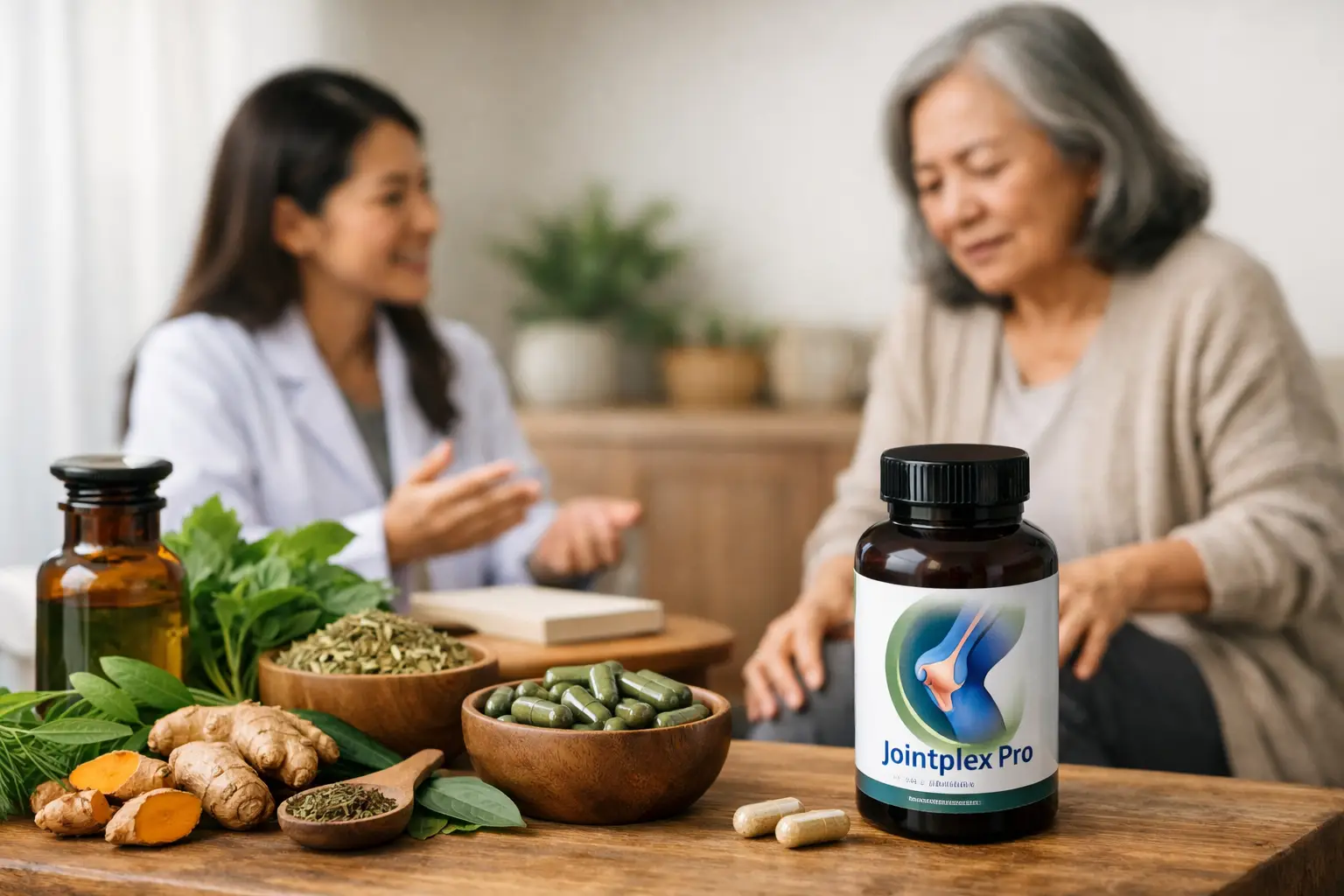
If your knees feel stiff before you even get out of bed, or your hands ache after simple tasks like opening jars or gripping the steering wheel, you do not need another vague promise. You need an arthritis herbal support guide that helps you sort through what may actually support comfort, movement, and daily function – and what is mostly marketing.
For many adults, arthritis is not just a diagnosis on paper. It shows up when you climb stairs, stand from a chair, carry groceries, or try to stay active without paying for it later. Caregivers see it too. They notice the slower pace, the guarded movements, and the frustration that comes with losing confidence in the body. Herbal support can play a useful role here, but only when it is approached with realism, quality standards, and an understanding that not every ingredient fits every person.
What an arthritis herbal support guide should actually do
A good guide should not pretend herbs replace medical care. Arthritis has different forms, different triggers, and different levels of severity. Osteoarthritis, inflammatory arthritis, exercise-related joint irritation, and age-related stiffness can overlap, but they are not identical.
That is why herbal support works best as part of a bigger strategy. The goal is often to reduce day-to-day inflammation load, improve comfort, support mobility, and help you rely less on short-term fixes alone. For some people, that means easier mornings. For others, it means getting through a walk, a workout, or a workday with less discomfort.
The first filter is quality. Many joint products are built for shelf appeal, not results. They use trendy ingredients in weak doses, hide behind proprietary blends, or combine too many herbs without a clear purpose. A selective, clinically minded formula is usually the better choice because it is designed around function, not hype.
The herbs most people look for – and why
Not all herbs used for joints do the same job. Some are chosen for inflammatory support, some for circulation, and some for broader tissue comfort. The value is in how they are selected and combined.
Turmeric and curcumin
Turmeric is one of the best-known herbs for joint support, largely because of its active compounds called curcuminoids. In practice, people usually take curcumin extracts rather than culinary turmeric when they want meaningful support. The reason is simple – food-level turmeric is healthy, but concentrated extracts are more often used when the goal is to support inflammation pathways linked with joint discomfort.
That said, curcumin has limits. Absorption matters, and poorly formulated products may not deliver much benefit. Some people also expect immediate pain relief and are disappointed when herbs work more gradually. Curcumin tends to make the most sense for consistent daily support rather than occasional rescue.
Boswellia serrata
Boswellia is often included in better joint formulas because it is associated with inflammatory balance and mobility support. Many people who feel stiffness in the knees, hips, or lower back are drawn to boswellia for that reason. It is not identical to turmeric, and some formulas use both because they can complement each other.
Boswellia may be especially appealing for adults who want support for movement, not just comfort at rest. That distinction matters. Some people say the main problem is not pain while sitting still – it is how the joint feels when standing, bending, or walking.
Ginger
Ginger is familiar as a kitchen ingredient, but it also has a place in herbal joint support. It is often chosen for its broad anti-inflammatory potential and digestive friendliness in some formulations. For people who are hesitant about stronger options, ginger can feel approachable.
Still, familiar does not always mean sufficient on its own. In a serious joint support product, ginger is usually part of a wider formulation rather than the entire answer.
Devil’s claw and other traditional herbs
Some traditional herbs, including devil’s claw, are used for musculoskeletal comfort and mobility. These can be useful in the right context, but they also highlight why guidance matters. Traditional use is valuable, but a modern consumer still needs screening for interactions, sensible dosing, and a formula that matches their actual symptoms.
How to choose the right arthritis herbal support guide for you
The smartest choice usually starts with your pattern of symptoms. If your issue is mostly morning stiffness, that points to one type of support need. If your pain rises after activity, standing, or exercise, that may point to another. If swelling or inflammatory flare-ups are part of the picture, ingredient selection becomes even more important.
Look closely at the label. If a supplement does not tell you how much of each key ingredient you are getting, be cautious. If it relies on a long list of ingredients without explaining why they are there, be cautious again. More ingredients do not automatically mean more relief. In many cases, a tighter, more intentional formula is better.
It also helps to ask a more practical question: is this product built for serious joint support, or is it trying to be everything for everyone? General wellness blends often underperform because they spread the formula too thin. People dealing with arthritis or long-term stiffness usually do better with supplements designed specifically around joint comfort, inflammation support, and mobility.
This is where a curated approach stands out. Rather than offering dozens of nearly identical bottles, a selective retailer focuses on products that meet a higher standard for formulation quality and relevance. That saves customers from guessing through a crowded market, especially when they are already tired of spending money on products that overpromise.
What herbal support can realistically help with
A useful arthritis herbal support guide should be honest about expectations. Herbal formulations may help support easier movement, less stiffness, and more manageable day-to-day discomfort. They may also support recovery after physical activity and help some people feel more capable in routine tasks.
But results are rarely all-or-nothing. Improvement may show up as less hesitation when getting up from the couch, reduced soreness after walking, or a better ability to use the hands in the morning. These are meaningful wins because arthritis affects quality of life in small repeated moments.
Consistency matters. Many people stop too early because they expect a dramatic response in a few days. Herbal support often works better when taken regularly over time, especially when paired with movement, weight management where appropriate, and medical oversight for underlying joint conditions.
When caution matters
Natural does not mean automatic fit. Some herbs can interact with medications, especially blood thinners, anti-inflammatory drugs, diabetes medications, and treatments used for chronic health conditions. People preparing for surgery, managing digestive sensitivity, or living with multiple conditions should be especially careful.
That is why personal guidance is valuable. A supplement should fit the person, not just the symptom category. The best support comes from matching the formula to the individual rather than pushing a generic answer. For many customers, that alone is a relief.
Why formulation quality changes the outcome
Ingredient names are only part of the story. The extract form, standardization, absorption strategy, and overall dosing approach all influence whether a product is likely to help. Two products can both say turmeric on the front, while delivering very different real-world value.
That is one reason premium joint formulas tend to earn stronger loyalty. People with ongoing discomfort are not looking for novelty. They are looking for something they can trust enough to take consistently. At TSC Health, that standard is part of the point – fewer products, more scrutiny, and a stronger focus on formulas selected for meaningful support rather than mass-market appeal.
When a product is built carefully, the benefits are easier to understand. You know what it is there to do. You know who it is for. And you are less likely to end up with a cabinet full of half-used bottles that did not match your needs.
The best arthritis herbal support guide is the one you can use confidently
If you are dealing with arthritis, joint stiffness, or movement that feels harder than it should, herbal support is worth considering – but only with clear eyes. Choose formulas with purpose. Choose quality over variety. Choose support that respects the fact that your goal is not just less discomfort, but better living.
Sometimes progress starts with a smaller change than people expect: an easier first step in the morning, more confidence on the stairs, or the ability to stay active without dreading the after-effects. Those are not small things. They are the pieces of independence people want back.


