
Subtotal: SGD$0.00
Natural Alternative to NSAIDs for Joints
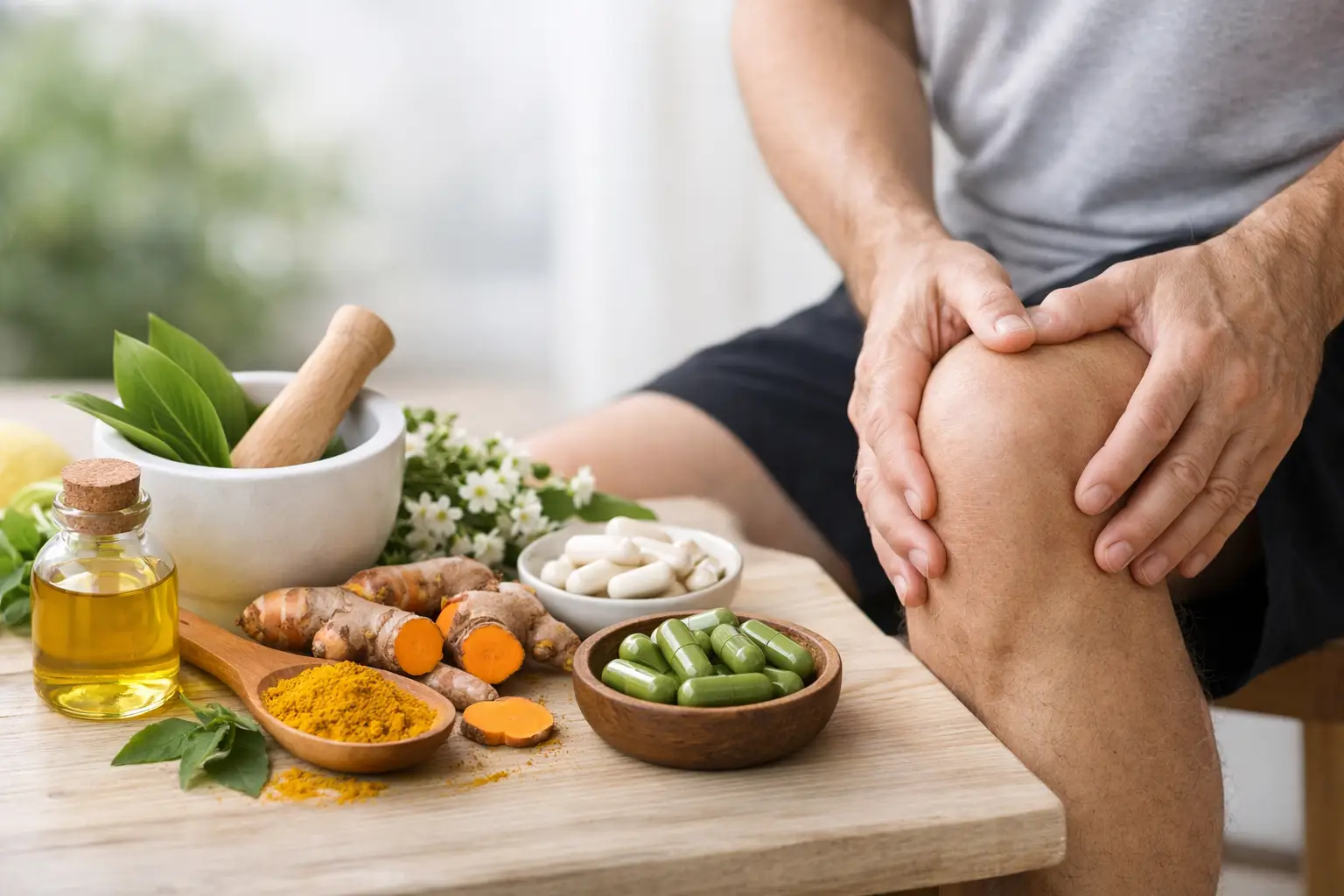
If your knees protest when you stand up, your hands feel stiff in the morning, or your hips ache after a walk that used to feel easy, the question is not whether relief matters. It is how to find a natural alternative to NSAIDs for joints that helps you stay mobile without feeling locked into a cycle of temporary pain masking.
For many adults, NSAIDs can be useful from time to time. They often reduce pain and inflammation quickly. The problem is that they are not always a comfortable long-term answer. Some people worry about stomach irritation, kidney strain, blood pressure effects, or simply the feeling that they are managing symptoms without giving their joints any meaningful support. That is where a more thoughtful strategy can make a real difference.
What makes a natural alternative to NSAIDs for joints worth considering?
A good natural option is not trying to mimic a prescription drug in every way. It is trying to solve a different problem. Instead of only turning down pain signals for a few hours, the best natural approaches aim to calm inflammation, support joint tissues, improve comfort with movement, and make day-to-day activity easier over time.
That distinction matters. If you are dealing with age-related stiffness, arthritis-related discomfort, or exercise-induced joint irritation, your goal is rarely just short-term relief. Most people want to walk more comfortably, get up and down stairs with less hesitation, sleep without throbbing joints, and keep doing the routines that preserve independence.
Natural support can fit that goal well, especially when the formula is built around clinically respected ingredients rather than trendy fillers. The trade-off is that natural joint support often works more gradually than an NSAID. You may not feel a dramatic shift in an hour. What you may notice instead is a steadier improvement in stiffness, range of motion, and recovery over days and weeks.
The ingredients that matter most
When people search for a natural alternative to NSAIDs for joints, they often run into a crowded supplement market filled with underdosed formulas and vague promises. Ingredient quality and formulation are everything.
Turmeric extract is one of the best-known options, largely because curcumin has been studied for its anti-inflammatory effects. A well-formulated turmeric supplement can be helpful for people with achy knees, general stiffness, or inflammatory flare-ups after activity. Still, not all turmeric products absorb well. The source, concentration, and delivery method all affect whether it is likely to do much at all.
Boswellia is another strong candidate. It is often used for joint comfort, especially when swelling and stiffness are part of the picture. Many people find boswellia useful because it targets inflammatory pathways without being a conventional painkiller. It may be especially appealing for adults who want support they can use consistently as part of a longer-term joint routine.
Glucosamine and chondroitin are different from botanical anti-inflammatories. They are often used to support cartilage and joint structure rather than giving quick symptom relief. Some people do well with them, particularly for osteoarthritis-type wear and tear, while others notice only modest benefit. That does not make them ineffective. It means they are more condition-dependent than some marketing suggests.
MSM is often included in quality joint formulas for its role in supporting comfort and mobility. It is not glamorous, but it has remained popular for a reason. Many adults with recurring joint soreness use MSM as part of a broader support strategy.
Ginger, bromelain, and collagen can also have a place, depending on the formula and the person using it. Ginger may offer mild anti-inflammatory support. Bromelain is often considered when swelling is part of the problem. Collagen may be more relevant for long-term tissue support than immediate pain reduction.
Why single-ingredient products often disappoint
Joint discomfort is rarely one-dimensional. Some people have inflammation. Others have cartilage wear, stiffness after inactivity, overuse from exercise, or joint stress that gets worse with age and reduced recovery. That is why a single ingredient can help, but a well-designed combination usually makes more sense.
A selective, clinically oriented formula can address multiple layers of the problem at once – inflammation, comfort, mobility, and ongoing support for joint tissues. This is often where premium products separate themselves from generic shelf options. The goal is not to include every ingredient on the market. It is to choose the right ones, at meaningful levels, with a clear purpose.
That selective approach matters because many joint supplements are overloaded with low-dose ingredients added for label appeal. A shorter ingredient list with stronger formulation logic is often the better buy.
Who may benefit most from natural joint support?
Natural joint support tends to appeal to a few clear groups. One is the adult dealing with persistent stiffness that makes mornings harder than they used to be. Another is the person with arthritis symptoms who wants added support between doctor visits and daily routines. A third is the active adult whose joints complain after workouts, yard work, or long days on their feet.
It can also be a practical option for people who tolerate NSAIDs poorly, want to reduce how often they rely on them, or simply prefer a plan that supports function rather than covering symptoms alone.
That said, natural does not mean automatic. If you have a medical condition, take blood thinners, have kidney or liver concerns, or use several medications, the right formula depends on your health profile. This is one reason guided support matters. Personal fit is more important than broad claims.
What to expect from a high-quality formula
A serious joint supplement should set realistic expectations. If a product promises overnight reversal of chronic joint issues, that is usually a warning sign. Better formulas tend to work with consistency.
In the first couple of weeks, some people notice less stiffness when getting out of bed or after sitting for long periods. Others notice that movement feels less guarded, especially in the knees, hips, hands, or lower back. Over time, the bigger benefit may be improved confidence with daily activity. You may walk farther, recover better after exertion, or feel less limited by routine movement.
That kind of progress can be easy to underestimate, but it often matters more than a dramatic short burst of relief. Better joint days add up.
How to choose the right natural alternative to NSAIDs for joints
Start by looking past the front label. The real questions are whether the ingredients are evidence-informed, whether the doses are likely to be meaningful, and whether the product was designed by people who understand joint health rather than marketing trends.
This is where curation matters. A tightly screened product line is often more trustworthy than a marketplace full of lookalike bottles. When a company is selective, it signals that not every supplement makes the cut. That is exactly the mindset many customers need when they are tired of guessing.
Jointplex Pro is a strong example of the kind of formula people should look for – one positioned around natural anti-inflammatory support, mobility, and practical joint comfort rather than generic one-size-fits-all claims. For adults trying to move with less pain and more confidence, that kind of targeted formulation is usually far more useful than chasing the cheapest option.
Natural support works best as part of a bigger plan
Even the best supplement works better when it is paired with sensible habits. Gentle movement helps keep joints from getting more rigid. Strengthening the muscles around painful joints can reduce stress on them. Weight management, when relevant, can make a meaningful difference in knee and hip comfort. Sleep also matters more than many people realize, since poor recovery tends to amplify pain sensitivity.
None of that means the answer is simply to exercise through pain. It means support should match your situation. Some people need anti-inflammatory help first so movement becomes manageable again. Others need to scale back high-impact activity while their joints calm down.
If you are looking for a natural alternative to NSAIDs for joints, the smartest path is usually not an all-or-nothing switch. It is a more complete plan: reduce unnecessary strain, choose a quality formula, give it enough time to work, and pay attention to whether your mobility is actually improving.
Relief matters, but so does what that relief lets you keep doing – walking, working, exercising, gardening, climbing stairs, and living with more ease in your own body.


