
Subtotal: MYR0.00
Herbal Formulas Versus Glucosamine for Joints
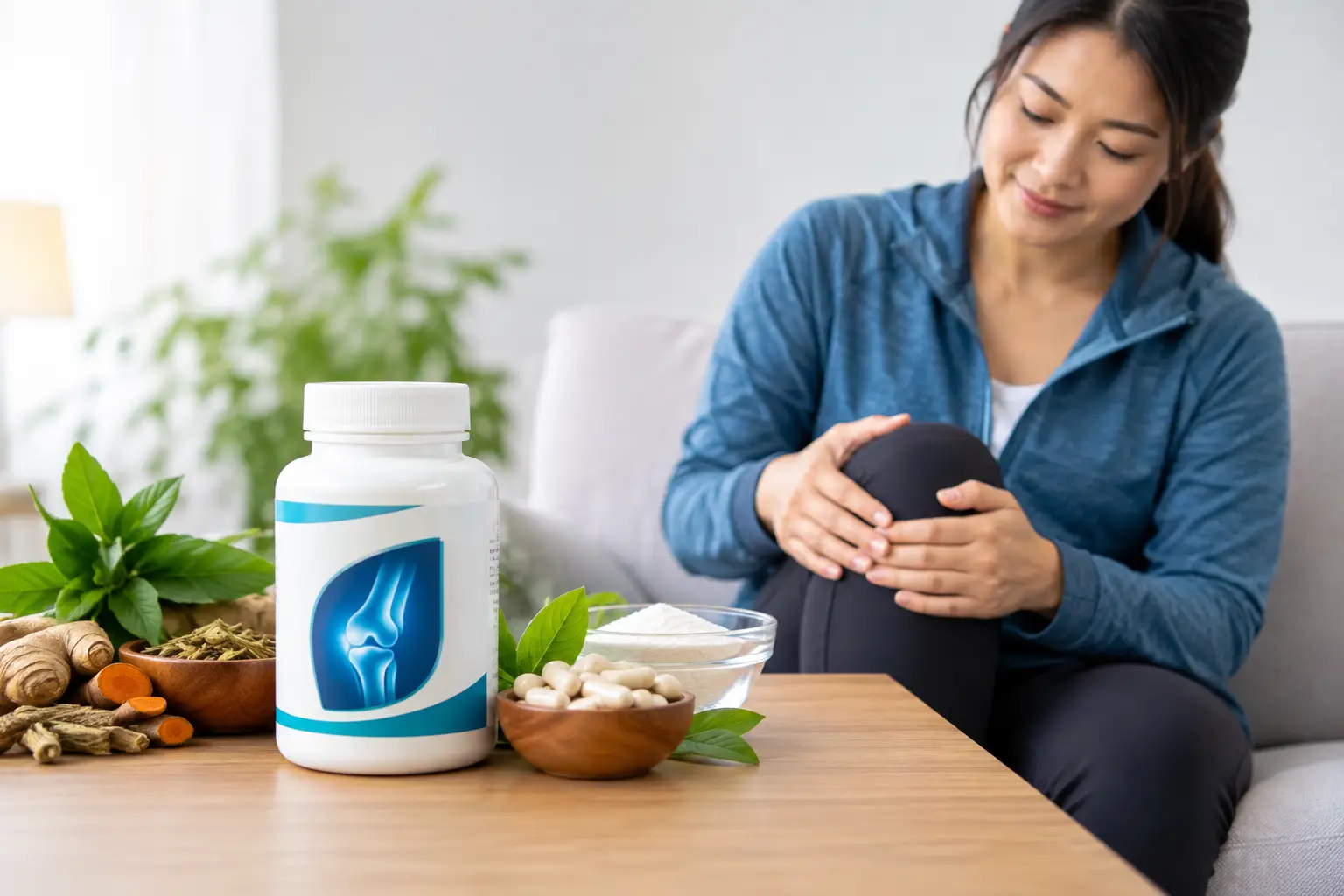
A stiff knee on the stairs, aching fingers while opening a jar, or hip discomfort after a walk can make everyday independence feel less certain. When comparing herbal formulas versus glucosamine, the best choice is rarely about following the most popular label. It is about understanding what may suit your symptoms, medicines, health history, and goals for staying mobile.
For many adults with osteoarthritis or recurring joint discomfort, supplements are not a replacement for medical care, physical activity, weight management, or prescribed treatment. However, a carefully selected supplement may be one part of a sensible long-term joint-support plan.
Why joint discomfort needs a thoughtful approach
Osteoarthritis is the most common form of arthritis. It involves changes to the whole joint, including cartilage, bone, joint lining, and surrounding muscles. Pain may come with stiffness after resting, reduced flexibility, swelling, or a feeling that the joint is not moving smoothly.
This matters because there is no single supplement that works equally well for every type of pain. A person with mild knee stiffness after long walks may have different needs from someone with hand arthritis, an old sports injury, or pain caused by inflammatory arthritis. Persistent swollen joints, sudden severe pain, fever, or a hot red joint should be assessed promptly by a healthcare professional rather than managed with supplements alone.
Herbal formulas versus glucosamine: the key difference
Glucosamine is a naturally occurring compound found in the body and involved in building cartilage and other joint tissues. Most supplements use glucosamine sulfate or glucosamine hydrochloride. It is usually sold as a single ingredient, sometimes combined with chondroitin.
Herbal joint formulas use plant-derived ingredients selected for their potential effects on inflammation, discomfort, and mobility. A well-designed formula may contain standardized extracts such as turmeric or curcumin, Boswellia serrata, ginger, or other clinically studied botanical ingredients. The purpose is often broader than cartilage support alone: to help address the inflammatory processes that can contribute to soreness and stiffness.
Neither approach should be judged only by the word “natural.” Quality, dose, ingredient form, medical evidence, and possible interactions are what matter.
What glucosamine may help with
Glucosamine is widely used for knee osteoarthritis because it is intended to support joint structure. Some people report less pain or stiffness after taking it consistently, usually over several weeks or months. The research, however, is mixed. Some studies suggest modest benefit, while others find little or no meaningful improvement compared with placebo.
Results may differ depending on the product. Glucosamine sulfate has generally been studied more often than glucosamine hydrochloride, but even with the sulfate form, benefit is not guaranteed. It is not a fast-acting pain reliever, and it should not be expected to rebuild severely damaged cartilage.
Glucosamine may be a reasonable option for a person who prefers a simple, single-ingredient supplement and is prepared to assess its effect over time. If there is no noticeable benefit after a fair trial discussed with a healthcare professional, continuing indefinitely may not be worthwhile.
What herbal formulas may help with
Herbal formulas are often chosen by people whose main concerns are stiffness, activity-related discomfort, and the feeling that joints are less comfortable after a busy day. Certain botanical extracts have evidence suggesting they may support comfort and function in people with osteoarthritis, particularly when taken at studied doses.
For example, curcumin, the active compound in turmeric, has been researched for its anti-inflammatory activity. Boswellia extracts have also shown potential for improving pain and physical function in some studies. These results are promising, but they vary by extract, dose, study quality, and the person taking it.
A formula can be more convenient than buying several separate bottles, but it also requires greater scrutiny. The label should clearly state the ingredients and amounts, rather than hiding everything inside a vague proprietary blend. Standardized extracts are helpful because they indicate that the product is designed to provide a consistent level of key plant compounds.
Evidence is useful, but your response matters too
The question is not simply whether herbal ingredients are “better” than glucosamine. Both can be appropriate in certain situations, and both have limitations.
Glucosamine may be appealing if you want one familiar ingredient with a long history of use. A clinically oriented herbal formula may be more suitable if you are looking for broader support for inflammation-related stiffness and joint comfort. Some people use both, but combining supplements should be discussed with a pharmacist or healthcare professional, especially when you take regular medication.
A practical way to judge any joint supplement is to set a clear goal before starting. That goal might be walking more comfortably for 20 minutes, climbing stairs with less stiffness, or needing fewer breaks during household tasks. Track your symptoms for several weeks, including pain level, mobility, sleep, and any side effects. This is more reliable than relying on a good or bad day.
Safety considerations that should not be skipped
Supplements can cause side effects and interactions, even when they are plant-based. This is especially relevant for adults over 40 who may be taking medication for blood pressure, diabetes, cholesterol, heart conditions, or blood thinning.
Glucosamine can occasionally cause stomach upset, bloating, or heartburn. People with diabetes should monitor their blood sugar as advised by their clinician. Those with a shellfish allergy should check the source and speak with a healthcare professional before using a shellfish-derived product, even though allergic reactions are not common.
Herbal ingredients also deserve care. Turmeric and Boswellia may cause digestive discomfort in some people. Ingredients that influence inflammation or blood clotting may not be suitable alongside anticoagulant or antiplatelet medicines. Anyone with gallbladder disease, liver disease, a planned surgery, pregnancy, or breastfeeding should seek professional advice before taking a herbal formula.
Do not use supplements to delay assessment of worsening symptoms. Joint pain can sometimes be caused by gout, rheumatoid arthritis, infection, tendon problems, or another condition that needs specific medical treatment.
How to choose a joint supplement with confidence
The supplement aisle can be overwhelming, and many products make broad promises without giving enough information to support them. A selective approach helps protect both your health and your budget.
Look for a product with transparent ingredient amounts, clearly identified extracts, and a dose that reflects human research where available. Avoid products that promise to cure arthritis, regenerate cartilage quickly, or replace medical treatment. Credible joint support is about gradual improvement in comfort and function, not miracle claims.
It also helps to consider what else supports your joints. Gentle strength exercises can stabilize the muscles around knees and hips. Regular walking, cycling, swimming, or guided mobility work can help maintain movement. If body weight is contributing to knee or hip load, even modest weight loss can reduce stress on those joints. Good footwear, pacing activities, and getting enough sleep all matter more than one capsule alone.
For caregivers, this conversation is especially valuable. An aging parent may say they are “fine” while quietly avoiding stairs, walks, or outings because movement has become painful. Ask specific questions about daily function: Can they rise from a chair easily? Are they holding onto furniture? Have they stopped doing activities they enjoy? These details can guide a more useful discussion with their doctor.
A more personal standard for joint support
The best option is the one that fits your body and supports your ability to keep doing what matters to you. For some people, glucosamine may be a reasonable, simple trial. For others, a quality herbal formula with evidence-informed ingredients may better match their concerns about stiffness and inflammation-related discomfort.
Choose carefully, give the approach enough time to assess, and keep your healthcare professional informed about every supplement you use. If you are looking for additional support, speak with your healthcare professional and learn more about Jointplex Pro, a carefully curated herbal formula designed to support joint comfort, mobility, and everyday quality of life.


