
Subtotal: SGD$0.00
Best Daily Habits for Flexible Joints After 40
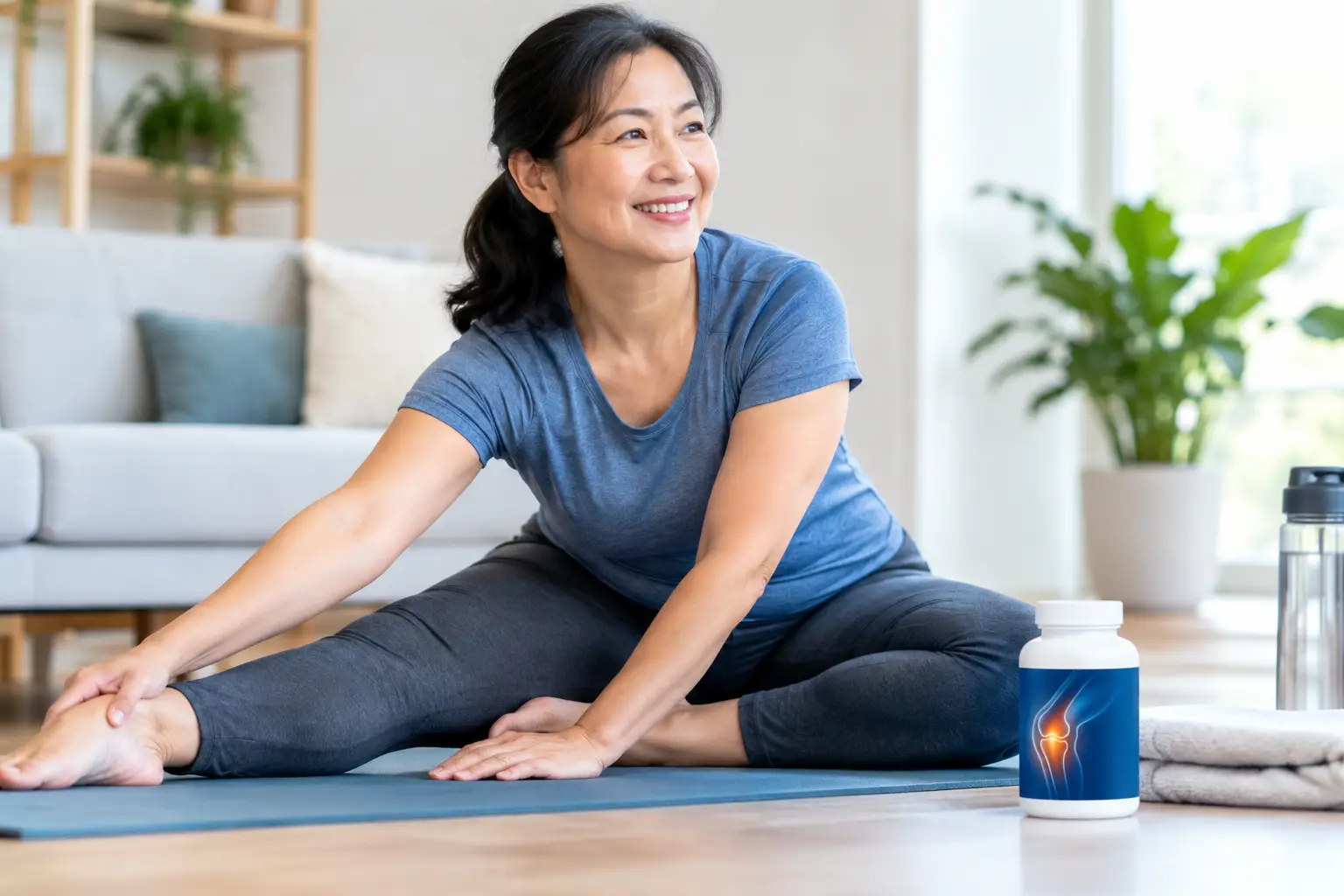
A stiff first step in the morning, a painful climb upstairs, or sore knees after a short walk can make people feel as though they must stop moving. Usually, the opposite approach is more helpful. The best daily habits for flexible joints are built around regular, comfortable movement, sensible strength work, and small choices that reduce unnecessary strain. They do not promise to erase arthritis or replace medical care, but they can help many adults stay more comfortable and confident in everyday life.
Joint flexibility is not about forcing your body into deep stretches. It is about helping your joints move through their natural range while the muscles around them provide support. This matters even more after age 40, when muscle mass, balance, and recovery can gradually change. For an older parent, maintaining this ability can mean getting up from a chair more easily, walking to the market, or using the stairs with greater independence.
Best Daily Habits for Flexible Joints Start With Movement
Joints are designed to move. Gentle activity helps circulate synovial fluid, the natural fluid that lubricates many joints. When a person sits still for long periods, joints can feel stiff because the surrounding muscles and tissues are not being used regularly.
Start with a few minutes of easy movement soon after waking. Walk around the home, slowly roll the shoulders, open and close the hands, and bend and straighten the knees within a comfortable range. If the hips or back feel tight, try standing near a stable counter and gently shift weight from one foot to the other. The goal is to warm up, not to push through pain.
Throughout the day, avoid staying in one position for too long. A useful rule is to stand, walk, or stretch gently at least once every 30 to 60 minutes. This can be especially helpful for people who work at a desk, watch television for long periods, or spend time driving. Even two or three minutes of movement can ease the feeling of being “stuck.”
Low-impact activity is often a sensible foundation. Brisk walking, stationary cycling, water exercise, and tai chi can support mobility without the repeated impact of running or jumping. The best choice depends on the joint involved, current fitness, balance, and pain level. For example, swimming may feel good for someone with sore knees, while a person with shoulder pain may prefer walking or cycling.
Build Muscle to Take Pressure Off Joints
Flexible joints also need strong support. Muscles help absorb force and stabilize the knees, hips, shoulders, and spine. Weak thigh muscles, for instance, may make daily tasks such as climbing stairs or standing from a chair feel harder on the knees.
Strength training does not need to mean heavy weights or intense gym sessions. Chair stands, wall push-ups, resistance-band rows, heel raises, and step-ups on a low stable step can be practical options. Begin with a level that feels manageable and focus on controlled form. Two or three sessions a week is enough for many people to make progress over time.
Pain is an important guide. Mild muscle tiredness after exercise can be normal, especially when starting something new. Sharp pain, sudden swelling, joint instability, or pain that continues to worsen is not a sign to “work through it.” Stop the activity and seek advice from a healthcare professional or physical therapist. For people with osteoarthritis, a tailored exercise plan can be particularly valuable because the right amount of activity may improve function, while too much too soon can trigger a flare.
Stretch Gently, Not Aggressively
Stretching can help when muscles around a joint feel tight, but forceful stretching may irritate already sensitive tissues. A gentle stretch should create a light pulling sensation, not pain, tingling, or numbness.
Try stretching after a short walk or warm shower, when the body is already warm. Hold a comfortable position for about 20 to 30 seconds while breathing normally. Common areas worth addressing include the calves, hamstrings, hip flexors, chest, and shoulders. Tightness in these muscles can change how people move and may place extra stress on nearby joints.
For hands and fingers, especially if stiffness affects cooking, typing, or opening containers, simple range-of-motion exercises can help. Slowly make a soft fist, open the hand wide, and gently touch each fingertip to the thumb. If fingers are swollen, hot, or very painful, it is better to get medical advice before doing repeated exercises.
Protect Joints During Everyday Tasks
Many joint problems are not caused by one dramatic injury. They build through repeated strain, poor body mechanics, or doing too much on a painful day. Small adjustments can protect comfort without making life feel restricted.
When lifting groceries or laundry, keep items close to the body and divide heavy loads into smaller bags. Use both hands where possible. When getting up from a low chair, move toward the edge first, place both feet firmly on the floor, and use the leg muscles rather than pulling hard with the back. Supportive shoes with stable soles can also make walking more comfortable, particularly on hard floors or uneven paths.
Pacing is another valuable habit. If gardening, housework, or exercise usually causes pain later in the day, break the task into shorter periods with rests in between. This is not laziness. It is a practical way to stay active while respecting the body’s current limits.
Support Joints With Sleep, Food, and Hydration
A poor night’s sleep can make pain feel more intense and leave muscles less ready for movement the next day. Aim for a consistent sleep schedule and create a comfortable sleeping position. Some people with knee discomfort find relief with a pillow between the knees when lying on their side. Those with shoulder pain may be more comfortable avoiding pressure on the affected shoulder.
Food will not cure arthritis, but a balanced eating pattern can support overall health and weight management. Carrying extra body weight can increase load on weight-bearing joints, especially the knees and hips. Focus on vegetables, fruits, beans, whole grains, nuts, fish, and other protein sources that suit your health needs and cultural preferences. If you have diabetes, kidney disease, gout, or take regular medication, ask your clinician for advice before making major dietary changes.
Hydration also matters. Drinking enough water supports normal body function and may help you feel better during activity, particularly in warm weather. Water alone cannot lubricate a painful joint or repair cartilage, but dehydration can contribute to fatigue and make an active routine harder to maintain.
Know When Stiffness Needs Medical Attention
Not all joint pain is ordinary wear and tear. Osteoarthritis commonly causes pain that worsens with use and brief stiffness after rest. Inflammatory arthritis can cause longer morning stiffness, swelling, warmth, and fatigue. Early assessment matters because some conditions benefit from treatment before joint damage progresses.
Arrange a medical review if you notice any of the following:
- A joint that is red, hot, very swollen, or suddenly painful
- Fever, feeling unwell, or unexplained weight loss alongside joint symptoms
- Pain after a fall, injury, or a joint that cannot bear weight
- Stiffness or pain that persists for weeks or increasingly limits daily activities
For caregivers, watch for subtle changes in an aging parent: avoiding walks they once enjoyed, needing more help with buttons or jars, or becoming unsteady when standing. These changes deserve a kind conversation and, when needed, professional assessment.
Daily habits work best when they are realistic enough to repeat. A 10-minute walk after breakfast, a few chair stands while the kettle boils, and a gentle evening stretch can be more useful than an ambitious routine that lasts only a week. Progress may be gradual, but greater comfort and confidence often grow from steady practice.
If joint discomfort is affecting your daily life, speak with your healthcare professional to understand the cause and choose safe options for you. If you are looking for additional support alongside healthy habits, learn more about Jointplex Pro, a carefully selected joint-support formulation from TSC Health.


