
Subtotal: SGD$0.00
Arthritis Singapore Care for Stiff, Painful Joints
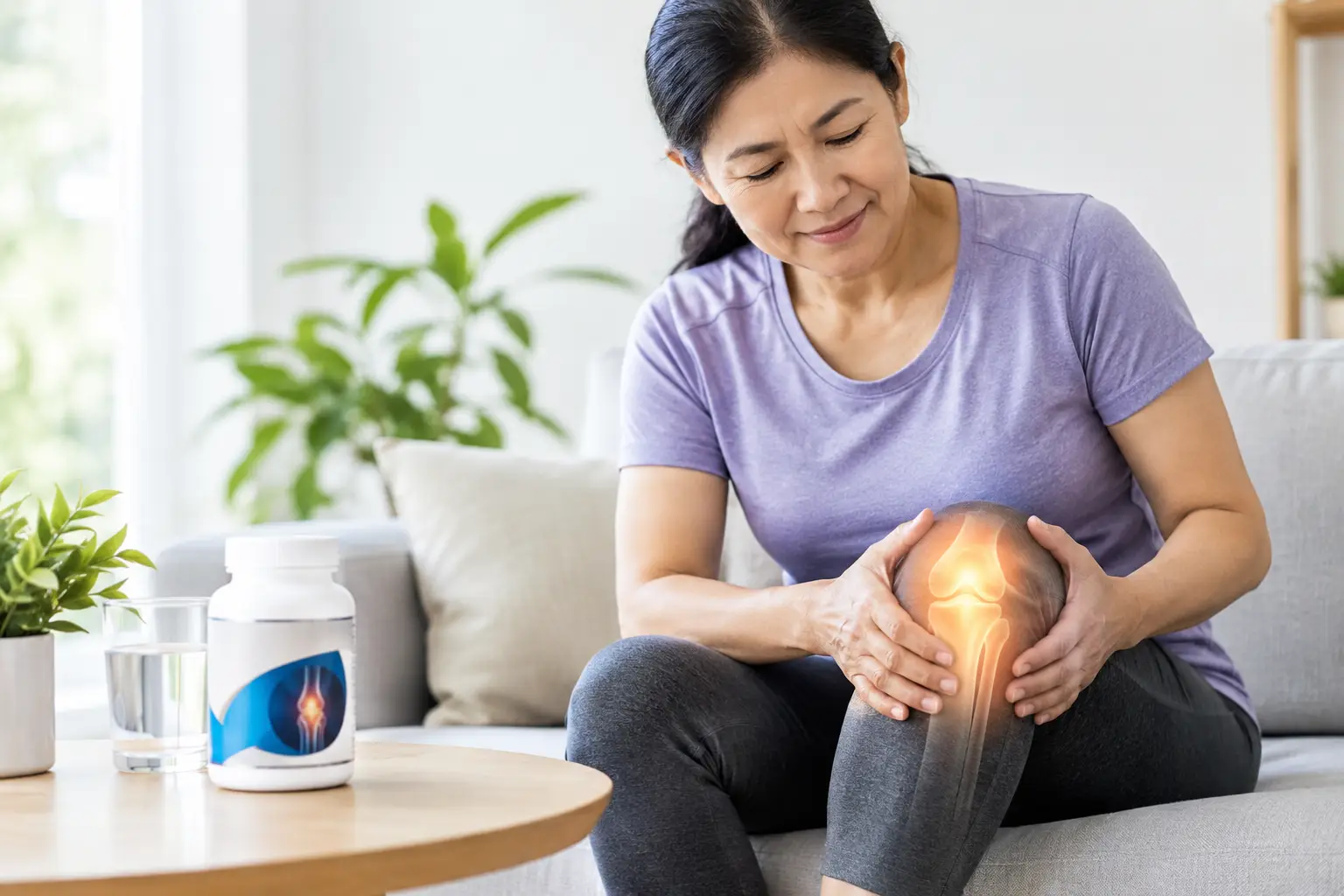
A knee that hurts on the first few steps after getting out of bed, fingers that feel swollen while opening a jar, or a hip that makes stairs feel daunting can gradually change how a person lives. For people searching for arthritis Singapore support, the priority is not simply finding quick pain relief. It is understanding the cause of joint symptoms, protecting mobility, and choosing care that is safe for the long term.
Arthritis is common with age, but persistent pain and stiffness should never be dismissed as something a person simply has to endure. The right combination of medical assessment, movement, weight management where appropriate, and carefully selected joint support can help many people stay more comfortable and independent.
What Arthritis Means
Arthritis is a broad term for conditions that affect joints. A joint is where two bones meet, such as the knee, hip, shoulder, wrist, or fingers. Symptoms may include pain, stiffness, swelling, warmth, reduced movement, or a feeling that the joint is less stable.
The most common form is osteoarthritis. It develops when the joint tissues, including cartilage, change over time. Cartilage is the smooth, protective tissue that helps bones move against each other. Osteoarthritis often affects the knees, hips, hands, neck, and lower back. It can be more likely after age 45, with previous joint injuries, repeated heavy joint loading, excess body weight, or a family history of the condition.
Not all arthritis is osteoarthritis. Rheumatoid arthritis is an autoimmune disease in which the immune system attacks the lining of the joints. Gout can cause sudden, severe attacks of pain and swelling, often in the big toe but also in other joints. Psoriatic arthritis may occur in people with psoriasis. These conditions need medical diagnosis and treatment because their care differs significantly from ordinary wear-and-tear joint pain.
Arthritis Singapore: Symptoms That Deserve Attention
Many people wait until joint pain affects walking, sleep, work, or family activities before seeking help. Earlier assessment can be worthwhile, particularly when symptoms are changing or interfering with daily life.
Make an appointment with a healthcare professional if pain lasts for several weeks, stiffness keeps returning, or you are relying on pain medication frequently just to manage normal activities. A clinician may assess how the joint moves, ask about past injuries and family history, and decide whether blood tests, an X-ray, or another scan is appropriate.
Some symptoms require more urgent attention. Seek prompt medical care for a joint that becomes suddenly hot, very swollen, red, or intensely painful, especially with fever or feeling unwell. Also get evaluated quickly after a fall or injury if you cannot bear weight, the joint looks deformed, or pain is severe. These signs can point to infection, a fracture, gout, or another condition that should not be managed at home.
For caregivers, small changes are often the first clue. A parent may stop joining walks, avoid stairs, take longer to get dressed, or become less willing to leave home. Asking gently about pain, morning stiffness, and fear of falling can open an important conversation.
Daily Habits That Protect Mobility
Rest is helpful during a painful flare, but complete inactivity can make joints and surrounding muscles weaker and stiffer. The goal is regular, joint-friendly movement that fits the individual’s health, fitness level, and symptoms.
Walking, cycling, swimming, water exercise, and gentle strengthening work are often suitable options for people with osteoarthritis. Stronger thigh muscles can reduce stress on the knees, while better hip and core strength can improve balance and movement. A physiotherapist can recommend exercises that are appropriate for painful joints and previous injuries.
Start with a realistic amount. Ten minutes of walking or a few simple strength exercises can be more sustainable than a demanding routine that causes a flare. Mild muscle soreness after new activity can be normal, but sharp pain, major swelling, or pain that lingers into the next day is a sign to reduce intensity and seek advice.
If body weight is contributing to knee or hip stress, even gradual weight loss may reduce joint load and improve function. This does not mean pursuing restrictive diets. It means building eating habits that can be maintained: more vegetables, protein, fiber-rich foods, and fewer highly processed foods and sugary drinks. For older adults who have lost weight unintentionally or have a poor appetite, dietary changes should be discussed with a healthcare professional or dietitian instead.
Simple adjustments at home also matter. Supportive shoes, a handrail on stairs, a shower chair if balance is poor, and frequently used items stored within easy reach can reduce daily strain. A walking stick or other mobility aid may help some people, but it should be fitted and used correctly.
Medicines, Supplements, and Sensible Expectations
Pain relief can be part of arthritis care, but it should be chosen thoughtfully. Some people use acetaminophen, topical anti-inflammatory gels, or prescribed medicines. Oral nonsteroidal anti-inflammatory drugs, often called NSAIDs, can help some types of pain and inflammation, but they may raise the risk of stomach bleeding, kidney problems, fluid retention, or cardiovascular complications in certain people. Risk can be higher for older adults and those with kidney disease, heart disease, stomach ulcers, or blood-thinning medication.
This does not mean everyone should avoid these medicines. It means they should be used with professional guidance, at the lowest suitable dose and for the shortest appropriate time. Do not combine pain medicines or add over-the-counter products without checking first, as duplicate ingredients are common.
Supplements may be considered as additional support, not as a replacement for diagnosis, prescribed treatment, exercise, or a healthy diet. Quality matters because joint supplements vary widely in formulation, ingredient amounts, and manufacturing standards. A carefully screened product should provide clear ingredient information and realistic expectations rather than promises of a cure.
Natural anti-inflammatory and joint-support ingredients may be useful for some people, but results differ. Benefits, when they occur, are usually gradual rather than immediate. Give any suitable approach enough time to assess it, while keeping track of pain, stiffness, walking tolerance, and side effects. Stop and seek advice if a supplement causes a reaction or digestive discomfort.
Before taking a joint supplement, speak with a pharmacist or healthcare professional if you use blood thinners, diabetes medication, blood pressure medication, immune-suppressing treatment, or multiple supplements. This is especially important for people with liver or kidney disease, those preparing for surgery, and pregnant or breastfeeding women.
Questions to Ask Before Choosing Joint Support
A good decision starts with the right questions. What type of arthritis or joint problem is most likely causing the symptoms? Is the aim to reduce occasional stiffness, improve exercise comfort, or support a broader medical plan? Which ingredients are included, and are they appropriate alongside current medications?
It is also reasonable to ask whether a product is designed around clinically relevant ingredients and whether the company provides direct guidance rather than leaving customers to sort through a large, confusing catalog. Premium support should come with transparency, not exaggerated promises.
For someone caring for an aging parent, it may help to bring a list of medications, supplements, allergies, and key symptoms to a medical visit. Note which joints are affected, when pain is worst, how long morning stiffness lasts, and whether there has been swelling or a recent fall. These details help clinicians distinguish between different causes of joint pain.
Staying Active Without Ignoring Pain
Living with arthritis often involves adjustment rather than giving up the activities that matter. A gardener may use a raised planter and take shorter sessions. A grandparent may choose a flat walking route instead of avoiding outings altogether. An active adult may swap high-impact workouts for cycling, swimming, or strength training during a knee flare.
The most effective plan is usually not one dramatic change. It is a steady combination of medical care when needed, practical movement, supportive routines, and products selected with care. Pain may not disappear completely, but better function, confidence, and independence are meaningful goals.
If you or someone you care for has ongoing joint pain or suspected arthritis, speak with a healthcare professional for a proper assessment. If you are looking for additional support alongside that care, learn more about Jointplex Pro and consider whether its carefully selected joint-support formulation may be right for your needs.


