
Subtotal: MYR0.00
What Causes Knee Pain? Common Reasons Explained
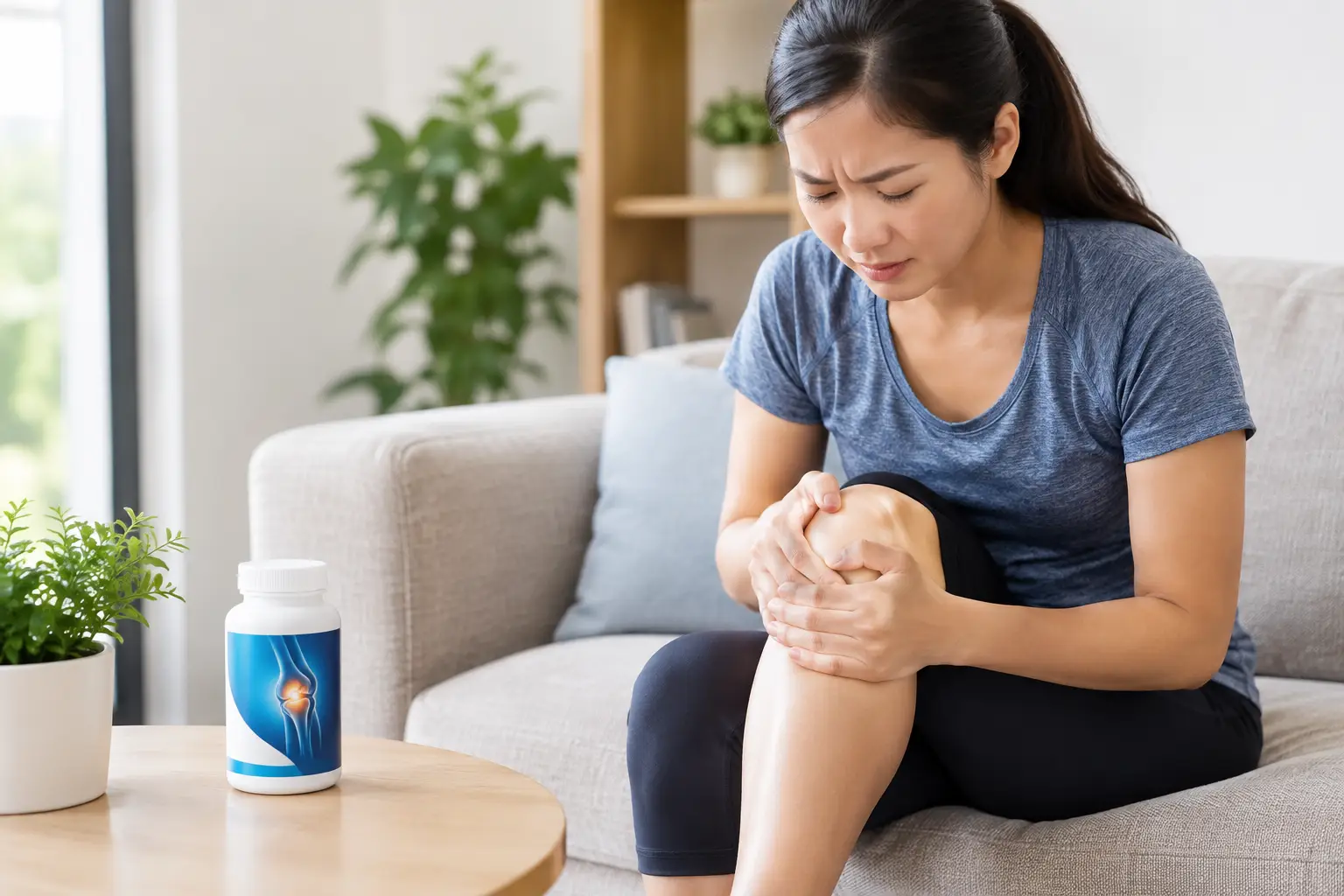
A knee that aches when you stand from a chair, climb stairs, or take your first steps in the morning can slowly change how you live. You may avoid walks, exercise less, or worry about falling. So, what causes knee pain? The answer is not always one simple thing. The knee is a hardworking joint made up of bones, cartilage, ligaments, tendons, muscles, and fluid-filled tissues. Pain can begin when any of these structures is irritated, injured, worn down, or affected by a health condition.
For adults over 40, knee discomfort is often linked to age-related wear, past injuries, body weight, or reduced muscle strength. But sudden, severe, or persistent pain deserves proper attention. Understanding the likely cause can help you make safer decisions for yourself or an aging parent.
What Causes Knee Pain as We Get Older?
The most common cause of ongoing knee pain in middle-aged and older adults is osteoarthritis. This happens when the smooth cartilage that cushions the ends of the bones gradually becomes thinner and less effective. Cartilage does not have a strong blood supply, so it cannot easily repair itself after years of loading and minor damage.
Osteoarthritis may cause aching, stiffness after rest, swelling, clicking, and pain with stairs or longer walks. Some people notice that damp weather or a busy day makes symptoms more noticeable. Pain may come and go at first, then become more frequent over time. It does not affect everyone at the same rate. A person can have visible arthritis on an X-ray with mild symptoms, while another has significant pain with less obvious changes.
Age alone does not cause arthritis, but the risk rises with age. Previous knee injuries, family history, excess body weight, repetitive kneeling or squatting at work, and weak thigh muscles can all add stress to the joint.
Wear and tear is not the whole story
It is tempting to assume every painful knee is simply “wear and tear.” However, pain is also influenced by inflammation, muscle strength, sleep, activity levels, and the way you move. For example, a weak hip or thigh can allow the knee to track poorly during walking or stair climbing. Addressing these factors can improve comfort and function even when arthritis is present.
Common Causes of Knee Pain
Several conditions can produce similar symptoms, which is why a diagnosis should not be based on pain location alone.
Osteoarthritis often develops gradually. Pain is usually worse with activity and may ease with rest, although stiffness after sitting is common. The knee may feel less flexible or look slightly enlarged.
Tendon irritation can occur after a sudden increase in walking, hiking, cycling, squats, or sports. Tendons connect muscles to bone. When overloaded, they can become painful, especially just below or above the kneecap. This may affect active adults as well as people returning to exercise after a long break.
Meniscus tears involve the rubbery cartilage pads that help cushion the knee. A tear can happen during a twist, but older adults may develop degenerative tears with little obvious injury. Symptoms may include pain along the joint line, catching, swelling, or a feeling that the knee is giving way.
Bursitis is inflammation of a small fluid sac that reduces friction around the joint. Frequent kneeling, a direct knock, or infection can trigger it. The front of the knee may look puffy, warm, and tender.
Patellofemoral pain is pain around or behind the kneecap. It can be aggravated by stairs, sitting with bent knees for a long time, or getting up from a low chair. Tight muscles, weak supporting muscles, and changes in activity can contribute.
Ligament injuries are more likely after a fall, twist, or sporting injury. The knee may swell rapidly, feel unstable, or be difficult to bear weight on. Older adults can also injure ligaments from a simple misstep, particularly if balance or muscle strength has declined.
Pain may also be referred from the hip or lower back. Nerve irritation from the spine can sometimes cause pain, tingling, or weakness that is felt around the knee. This is one reason a clinician may examine more than just the painful area.
Inflammation, Gout, and Other Medical Causes
Not all knee pain comes from mechanical strain. Inflammatory arthritis, including rheumatoid arthritis, occurs when the immune system attacks joint lining tissue. It can cause prolonged morning stiffness, swelling, warmth, and pain in more than one joint. Early medical treatment is important because uncontrolled inflammation can damage joints.
Gout can also affect the knee. It occurs when uric acid crystals build up in a joint, causing sudden intense pain, heat, redness, and swelling. Although gout is commonly associated with the big toe, it can affect the knee and other joints.
Less commonly, infection in a joint can cause severe pain, marked swelling, redness, fever, and feeling unwell. This is an urgent medical problem, not something to manage at home with pain relief or supplements.
Why Weight, Strength, and Daily Habits Matter
Every step places force through the knee, especially when going downstairs or rising from a chair. Carrying extra body weight can increase this load and may worsen pain in people with arthritis. Even a modest, realistic weight reduction can lessen pressure on the knees for some people. The goal is not perfection. It is making changes that are sustainable and safe.
Muscle strength matters just as much. The quadriceps at the front of the thigh and the hip muscles help stabilize the knee. When these muscles are weak, everyday movements can feel harder and the joint may be exposed to more strain. A physiotherapist can recommend exercises suited to your diagnosis and fitness level. In many cases, regular low-impact movement is better for the knee than complete rest.
Walking on flat ground, cycling, water exercise, tai chi, and gentle strength training may be suitable options. However, activity should be adjusted if it causes sharp pain, major swelling, or pain that lingers strongly into the next day. The right amount depends on the condition, your current strength, and whether there has been a recent injury.
When Knee Pain Needs Prompt Medical Care
Seek urgent medical advice if knee pain follows a significant fall or accident, if you cannot put weight on the leg, or if the knee looks deformed. Rapid swelling, a locked knee that cannot fully bend or straighten, and repeated giving way also need assessment.
Contact a healthcare professional promptly if the knee is hot, red, very swollen, or painful with fever or chills. These signs can point to infection, gout, or a significant inflammatory flare. New calf swelling, shortness of breath, or chest pain should also be treated as urgent because these symptoms may indicate a blood clot or another serious condition.
For less urgent pain, book an assessment if symptoms persist beyond a few weeks, disturb sleep, limit daily activities, or steadily worsen. A doctor or physiotherapist may use your history and examination to identify the likely source of pain. X-rays can help assess osteoarthritis or fractures, while other scans are sometimes used when soft-tissue injury is suspected. Imaging is useful when it changes treatment decisions, but it is not always necessary for every painful knee.
Practical Steps for a Painful Knee
If there is no serious injury or warning sign, begin with gentle, sensible measures. Reduce the activity that clearly aggravates pain for a few days, but avoid staying completely inactive. Apply a cold pack wrapped in a cloth for short periods if the knee is newly swollen or irritated. Some people with long-term stiffness prefer gentle warmth before movement.
Supportive shoes, avoiding deep squats while symptoms are active, and using a handrail on stairs can reduce strain. If you care for a parent, notice whether their knee pain is causing them to avoid bathing, shopping, or getting out of a chair. These changes can affect independence and raise the risk of falls.
Over-the-counter pain medicines may help some people, but they are not suitable for everyone. Anti-inflammatory medicines can increase risks for people with stomach ulcers, kidney disease, heart disease, high blood pressure, or those taking blood thinners. Ask a pharmacist or healthcare professional what is appropriate for your situation rather than assuming a familiar medicine is safe for long-term use.
Supporting Long-Term Joint Comfort
There is no single remedy for every cause of knee pain. The most effective approach often combines an accurate diagnosis, appropriately paced activity, strength work, weight management where relevant, and a plan for managing inflammation. For people with chronic joint discomfort, carefully selected nutritional support may be one part of a broader routine, but it should not replace medical evaluation, rehabilitation, or prescribed treatment.
If knee pain is changing the way you move or live, speak with your healthcare professional to understand the cause and discuss a plan that fits your needs. If you are looking for additional support for joint comfort and mobility, you can also learn more about Jointplex Pro and its carefully selected formulation.


