
Subtotal: SGD$0.00
Top Ingredients for Healthy Cartilage That Matter
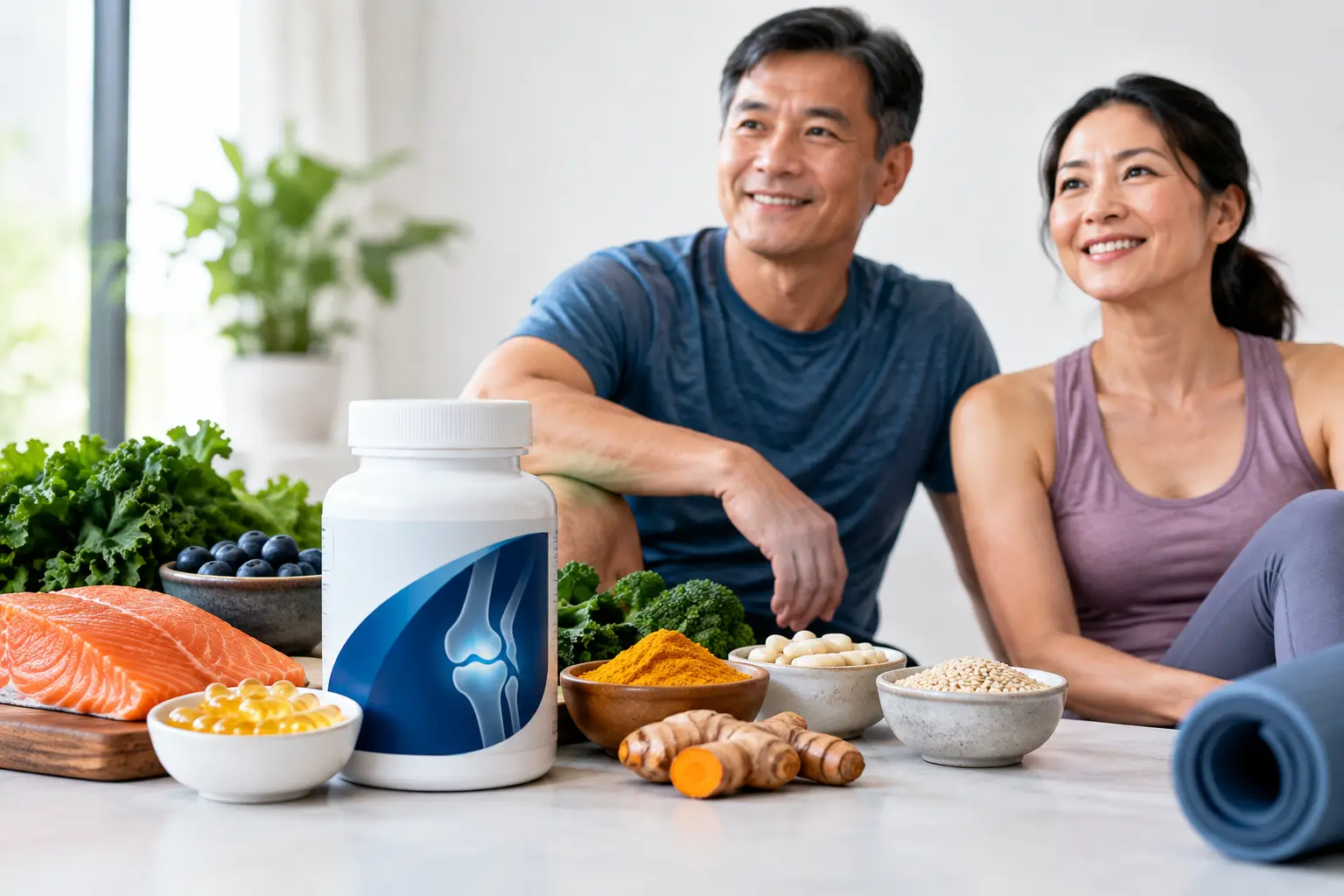
Cartilage problems rarely begin with a dramatic injury. For many people, they show up as knees that feel stiff after sitting, discomfort on stairs, fingers that ache during daily tasks, or hips that no longer move as freely as before. When searching for the top ingredients for healthy cartilage, it helps to look beyond marketing promises and understand what each ingredient can realistically do.
Cartilage is the smooth, firm tissue that covers the ends of bones inside a joint. It helps bones glide with less friction and cushions pressure during walking, climbing, lifting, and exercise. Unlike muscle or skin, cartilage has a limited blood supply. That means it does not repair quickly, especially after years of wear, injury, excess joint loading, or osteoarthritis.
No supplement can guarantee cartilage regrowth or replace medical treatment when a joint is seriously damaged. However, selected ingredients may support joint comfort, normal cartilage structure, inflammation control, and mobility as part of a wider plan that includes appropriate movement, weight management, sleep, and medical care.
Why ingredient quality matters for cartilage support
The joint supplement market is crowded, but not all formulas are equally thoughtful. Some products use very small amounts of popular ingredients. Others combine many ingredients without explaining their purpose, source, or dose. For adults managing recurring stiffness, and for families supporting an aging parent, that can make choosing a supplement unnecessarily confusing.
A better approach is to focus on ingredients with a reasonable body of human research, meaningful amounts, and a clear role in joint health. The right choice also depends on the source of discomfort. Osteoarthritis, an old sports injury, inflammatory arthritis, tendon pain, and gout can all feel like “joint pain,” yet they need different medical attention.
Top ingredients for healthy cartilage and joint comfort
Glucosamine sulfate
Glucosamine is one of the best-known ingredients for joint health. It is a building block used by the body in compounds found in cartilage and joint fluid. Glucosamine sulfate has been studied most often in osteoarthritis, particularly of the knee.
Research results are mixed. Some people report less pain and stiffness after using glucosamine consistently for several months, while others notice little change. It is not a quick pain reliever, and benefits, when they occur, tend to be gradual. Still, it may be a reasonable option for people looking for longer-term joint support rather than temporary symptom masking.
Glucosamine is often made from shellfish. Anyone with a shellfish allergy should check the source carefully, although reactions are not always predictable. People taking warfarin or other medicines that affect blood clotting should speak with their healthcare professional before using it.
Chondroitin sulfate
Chondroitin is a natural component of cartilage that helps it retain water and resist compression. In a supplement, chondroitin sulfate is commonly paired with glucosamine because their roles are complementary.
Some clinical studies suggest chondroitin may improve pain and function in people with knee or hand osteoarthritis. Other studies have found more modest results. The difference may come down to product quality, dose, study design, and the individual’s condition. This is why a carefully selected formula matters more than simply buying the cheapest bottle on the shelf.
Like glucosamine, chondroitin is intended for consistent use over time. It should not be treated as a replacement for assessment if swelling, warmth, sudden pain, or loss of joint function is present.
Undenatured type II collagen
Type II collagen is the main collagen found in cartilage. Undenatured type II collagen, often called UC-II, works differently from ordinary collagen protein powders. It is used in very small amounts and may help influence the immune response involved in joint discomfort.
Studies in people with knee osteoarthritis and exercise-related knee discomfort suggest it may support comfort, flexibility, and everyday function. It can be especially appealing for people who prefer a lower-dose ingredient rather than taking several large tablets each day.
This ingredient is not suitable for everyone. Most forms are derived from chicken cartilage, so people with relevant allergies should avoid it. It is also wise to seek medical advice if you have an autoimmune condition or take immune-modifying medication.
Collagen peptides
Collagen peptides are broken-down proteins that provide amino acids used throughout the body, including in connective tissues. Unlike undenatured type II collagen, collagen peptides are usually taken in gram-level amounts.
Evidence suggests collagen peptides may support joint comfort and physical function in some active adults and people with mild joint symptoms. They are not proven to rebuild severely worn cartilage, but they may be useful as part of a broad routine that includes adequate protein intake and strength-building exercise.
Consistency matters. A person who takes collagen for a few days and expects a major difference will likely be disappointed. When benefits occur, they are usually assessed after several weeks or months.
Curcumin from turmeric
Cartilage health is not only about structural building blocks. Inflammation can increase pain, stiffness, and difficulty moving, especially in osteoarthritis. Curcumin, a naturally occurring compound in turmeric, has anti-inflammatory properties and has been studied for joint comfort.
Curcumin may help reduce symptoms for some people, but it does not directly restore cartilage. Its main value is in supporting a more comfortable inflammatory response, which may make it easier to stay active. Formulation matters because standard curcumin is not absorbed well. Products should clearly state the type of curcumin used and avoid vague labels that simply say “turmeric” without details.
Curcumin may not be appropriate for people taking blood thinners, those with gallbladder disease, or anyone preparing for surgery. Ask a healthcare professional first if you take regular medication.
Boswellia serrata
Boswellia is an herbal extract traditionally used for inflammatory discomfort. Certain standardized extracts contain boswellic acids, compounds that may influence inflammatory pathways involved in joint pain.
Clinical studies suggest some standardized boswellia extracts can support knee comfort and mobility, sometimes within a few weeks. It is better viewed as an ingredient for symptom support than a direct cartilage-building nutrient. For someone whose main concern is stiffness after walking, standing, or exercise, that distinction still matters.
Because botanical extracts vary widely, standardized sourcing and transparent labeling are essential. A product that does not identify the extract quality gives consumers little way to judge what they are taking.
What a cartilage-support supplement cannot do
It is understandable to want a supplement that fixes every painful joint. But credible joint support requires honest expectations. Supplements may help reduce discomfort or support function in selected people, yet they cannot correct a torn meniscus, realign a severely damaged joint, cure rheumatoid arthritis, or replace a joint replacement when one is medically needed.
Persistent pain also deserves attention because not all pain is caused by ordinary wear and tear. Seek timely medical care for a hot or swollen joint, fever, sudden inability to bear weight, unexplained weight loss, numbness, a recent injury, or pain that wakes you regularly at night.
Getting more from your joint-support routine
Even the top ingredients for healthy cartilage work best alongside habits that reduce unnecessary joint stress. Low-impact movement such as walking, cycling, swimming, or guided strengthening helps nourish the joint through movement and supports the muscles that protect it. Complete rest can make stiffness worse.
For knee osteoarthritis, even modest weight reduction can reduce force passing through the knee with every step. Supportive footwear, a balanced diet with enough protein, and good sleep can also make a practical difference to day-to-day mobility. If pain makes exercise difficult, a physical therapist can help create a safe starting point.
When choosing a supplement, check for clear ingredient amounts, standardized extracts where relevant, and realistic claims. Avoid products that promise instant results, claim to cure arthritis, or hide behind a long list of proprietary ingredients without doses. Premium joint support should be selective, transparent, and designed with real-world use in mind.
If joint stiffness or discomfort is limiting the things you or a loved one enjoy, speak with a healthcare professional to clarify the cause and discuss safe options. For additional, carefully considered support, you can also learn more about Jointplex Pro and whether its formulation may suit your individual needs.


