
Subtotal: SGD$0.00
Top Natural Options for Swollen Joints
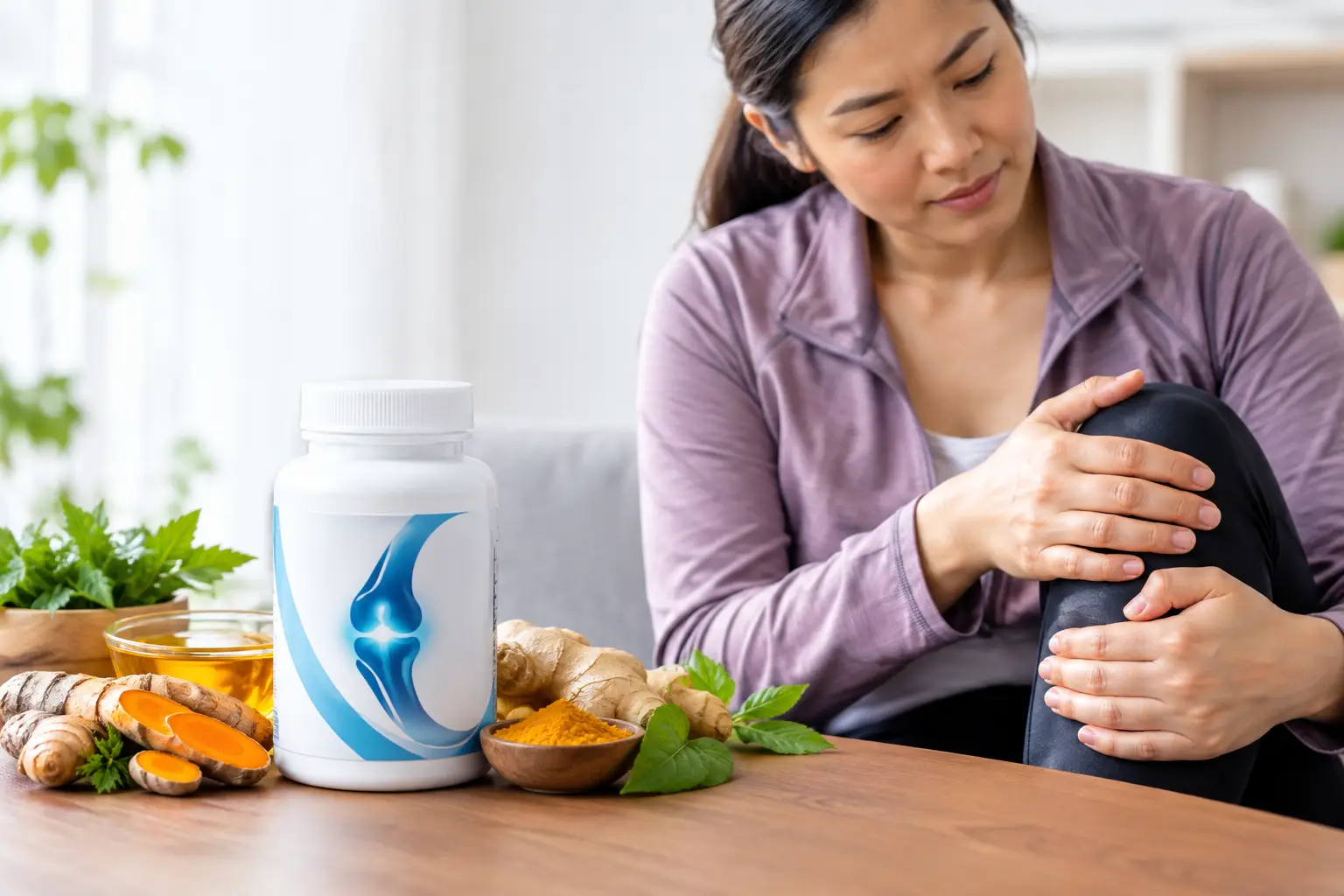
A swollen knee after climbing stairs, stiff fingers in the morning, or an ankle that feels puffy after a walk can make ordinary routines feel unexpectedly difficult. The top natural options for swollen joints can help ease discomfort and support movement, but the right choice depends on why the joint is swollen in the first place.
Joint swelling is not simply a sign of getting older. It can happen when the body sends extra fluid and inflammatory cells into or around a joint. Osteoarthritis, rheumatoid arthritis, gout, past injuries, overuse, and some infections can all cause swelling. For that reason, natural care works best as part of a sensible plan – one that includes a proper diagnosis when symptoms are new, severe, or recurring.
First, know when swollen joints need medical attention
A little swelling after unfamiliar activity may settle with gentle self-care. But a joint that becomes suddenly very painful, red, hot, or difficult to move deserves prompt medical advice. These symptoms can occur with gout, an infection, or an injury that needs treatment.
Seek urgent care if swelling follows a fall or accident, the joint looks deformed, you cannot put weight on it, or you have fever or feel unwell. A calf that is swollen, warm, and painful, especially with shortness of breath or chest pain, is also an emergency. Do not assume every swollen joint is arthritis.
For ongoing swelling, a healthcare professional can help distinguish wear-and-tear osteoarthritis from inflammatory arthritis and other causes. This matters because the most useful treatment can be quite different. Natural measures may reduce symptoms, but they should not delay care for a condition that could damage the joint over time.
Top natural options for swollen joints at home
Use cold for fresh swelling and heat for stiffness
Cold is usually the better first choice when a joint feels newly swollen, warm, or sore after activity. Wrap an ice pack or a bag of frozen peas in a thin towel and apply it for about 10 to 15 minutes at a time. This can temporarily reduce pain and may limit the feeling of throbbing. Never place ice directly on the skin, and take extra care if you have reduced sensation from diabetes or nerve problems.
Heat can be more helpful when swelling has settled but stiffness remains. A warm shower, heating pad, or warm compress can relax tight muscles around the joint before gentle movement. Avoid heat on a joint that is very hot, red, or actively inflamed, as it may make the area feel worse.
Rest the joint without becoming completely still
When discomfort flares, it is sensible to reduce the activity that triggered it. For example, swap a long walk for a shorter, flatter route, or avoid deep squats while a swollen knee settles. Elevating an ankle or knee on pillows may also help fluid drain after prolonged standing.
However, complete rest for many days can weaken the muscles that protect a joint and increase stiffness. Aim for relative rest instead. Continue comfortable daily movement and gradually return to activity as pain improves. If a joint is visibly swollen, compression with a supportive sleeve or elastic bandage may feel helpful, but it should never cause numbness, tingling, or a change in skin color.
Choose low-impact movement consistently
Regular movement is one of the most reliable ways to protect long-term joint function. It lubricates the joint, strengthens the muscles around it, and can reduce stiffness over time. The goal is not to push through sharp pain. It is to keep the body moving within a comfortable range.
Walking on even ground, stationary cycling, water exercise, tai chi, and simple strength training are often joint-friendly choices. For knee osteoarthritis, stronger thigh and hip muscles can reduce stress on the knee during stairs and standing. For hand stiffness, gentle opening, closing, and stretching exercises may support daily tasks such as opening jars or holding utensils.
Start smaller than you think you need to. Ten minutes of movement most days is more useful than a demanding workout followed by several painful days. A physical therapist can be especially valuable if swelling keeps returning, you are unsure which exercises are safe, or a parent is losing confidence with walking.
Support a healthy body weight and eating pattern
Body weight is only one part of joint health, but it can make a meaningful difference for weight-bearing joints. Even modest weight loss, when medically appropriate, can reduce the load placed on knees, hips, and feet with each step. This is not about restrictive dieting. It is about building habits that support energy, strength, and mobility.
A practical anti-inflammatory eating pattern emphasizes vegetables, fruit, beans, whole grains, nuts, seeds, olive oil, and fish. Fatty fish such as salmon, sardines, and mackerel provide omega-3 fats, which have anti-inflammatory effects and may be particularly helpful for some people with inflammatory arthritis. Highly processed foods, sugary drinks, and frequent alcohol intake may worsen overall inflammation or make weight management harder.
If gout is a concern, dietary advice should be more individualized. Alcohol, sugary beverages, organ meats, and certain seafood can trigger attacks in some people. Do not rely on food changes alone if you have repeated gout flares, since prescription treatment is often needed to protect joints.
Consider evidence-informed herbal ingredients carefully
Some natural ingredients have research suggesting they may support comfort and mobility, especially in osteoarthritis. Curcumin, a concentrated component of turmeric, has shown potential for reducing pain and stiffness in some studies. Boswellia serrata, also called Indian frankincense, may support inflammatory pathways involved in joint discomfort. Omega-3 fish oil may be useful for selected people, particularly when inflammatory arthritis is part of the picture.
These options are not interchangeable, and results are usually gradual rather than immediate. Quality, dose, and formulation matter greatly. Turmeric powder used in cooking is healthy, but it does not necessarily provide the same amount or absorption as a standardized curcumin formulation.
Natural does not automatically mean suitable for everyone. Curcumin and fish oil may increase bleeding risk in people taking blood thinners or antiplatelet medications. Herbal ingredients can also interact with diabetes medicines, blood pressure medicines, and other treatments. Anyone with gallbladder disease, liver disease, kidney disease, a planned procedure, or multiple medications should ask a pharmacist or healthcare professional before starting a supplement.
Prioritize sleep and recovery
Poor sleep can make pain feel stronger the next day, while persistent pain can make sleep difficult. This cycle is common in arthritis and chronic joint discomfort. A regular bedtime, a comfortable sleeping position, and gentle evening stretching may help. If pain wakes you often, discuss it with a clinician rather than simply adding more supplements or pain medication.
Recovery also means looking at the pattern behind the flare. Did the swelling begin after a new exercise class, long travel, repeated kneeling, or several days of poor sleep? A simple symptom diary can reveal useful triggers. Record the joint involved, swelling, morning stiffness, activity level, foods or alcohol if relevant, and what helped. This information can make medical appointments more productive.
A thoughtful approach to joint supplements
A supplement should be chosen for its formulation and suitability, not because its label makes the boldest promise. Look for transparent ingredient amounts, standardized herbal extracts where appropriate, manufacturing quality controls, and guidance that takes your medications and medical history seriously. Be cautious with products that claim to cure arthritis, rebuild cartilage quickly, or replace prescribed treatment.
It is also fair to set realistic expectations. A well-chosen supplement may support comfort, flexibility, and daily movement for some people, but it will not fix a torn ligament, treat a joint infection, or reverse advanced joint damage. Give any suitable supplement enough time to assess its effect, often several weeks, while tracking symptoms and continuing the foundations of movement, recovery, and nutrition.
For many adults, the most effective plan is not a single remedy. It is a calm, consistent combination of appropriate activity, targeted symptom relief, healthy habits, and medical assessment when needed. If swollen joints are affecting your independence or a loved one’s confidence, speak with a healthcare professional, and learn more about Jointplex Pro if you are looking for additional natural joint support.


