
Subtotal: SGD$0.00
How to Relieve Exercise Joint Discomfort Safely
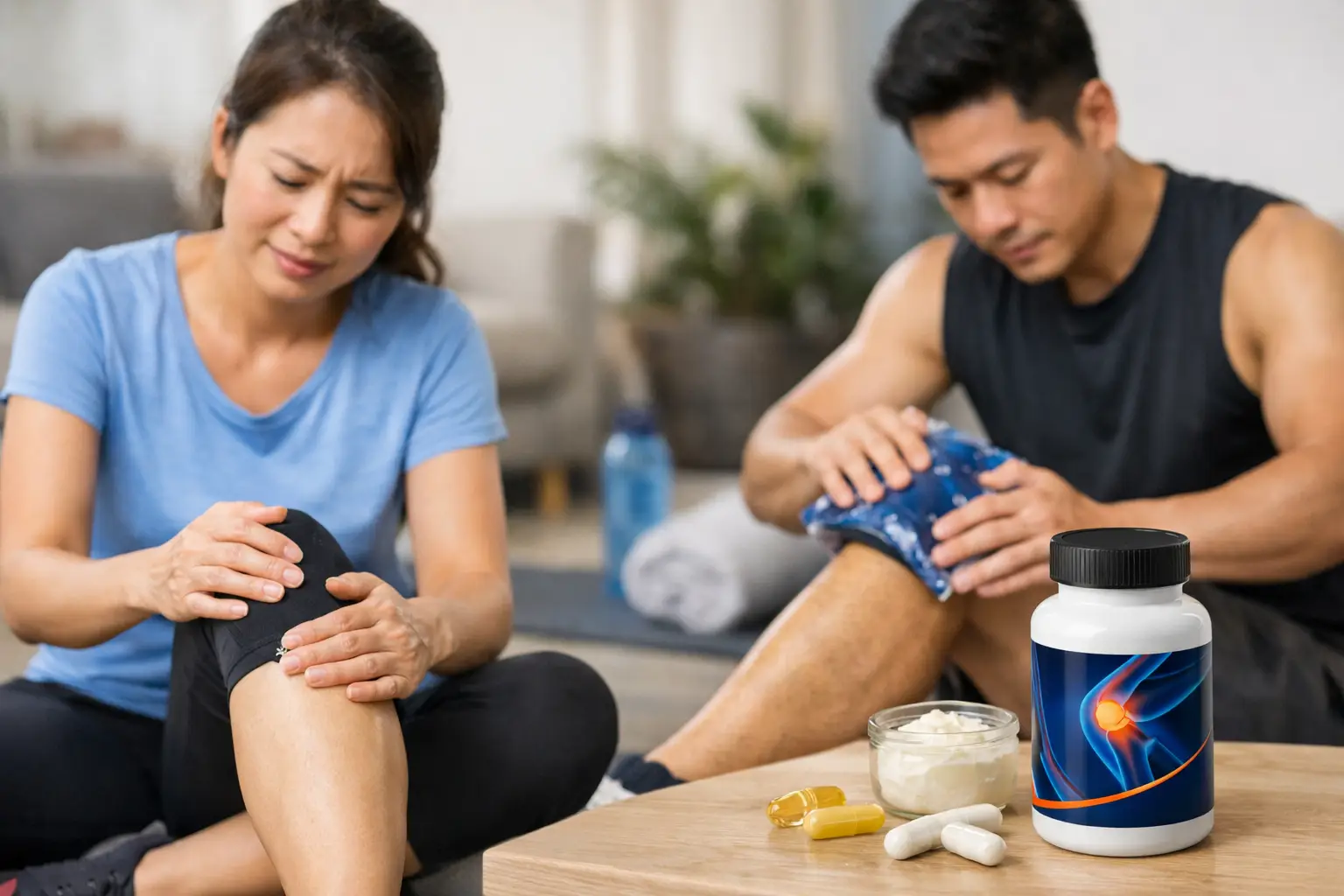
A familiar ache in the knees after stairs, a stiff shoulder after swimming, or sore hips after a longer walk can make exercise feel discouraging. Knowing how to relieve exercise joint discomfort starts with one key distinction: mild soreness that settles is often manageable, but sharp, swollen, or persistent pain deserves proper attention. The goal is not to push through every symptom. It is to stay active in a way that protects your joints and your independence.
Understand what your joint discomfort is telling you
Joints are where two bones meet, supported by cartilage, ligaments, muscles, tendons, and joint fluid. Exercise can temporarily stress these structures, especially after a new activity, a jump in training intensity, or a long break from movement.
Muscle soreness commonly appears 12 to 48 hours after unfamiliar exercise and gradually improves over several days. Joint discomfort may feel deeper and more specific to the knee, ankle, hip, shoulder, or hand. It can be caused by poor movement control, weak supporting muscles, stiff joints, unsuitable footwear, or doing too much too soon.
For adults over 40, exercise may also bring attention to existing osteoarthritis. This is a common condition in which the joint changes over time and may become painful or stiff. Exercise is still usually helpful for osteoarthritis, but the type, pace, and recovery plan matter.
A useful rule is to watch the 24-hour response. If discomfort is mild during activity and returns to your usual level by the next day, the exercise load may be appropriate. If pain becomes stronger, swelling increases, or you are limping the next day, reduce the intensity, duration, or impact before your next session.
How to relieve exercise joint discomfort after activity
The best first step is relative rest, not complete inactivity. Skip or modify the movement that causes pain for a short period, while continuing comfortable activities such as gentle walking, easy cycling, or range-of-motion exercises. Staying completely still for days can make many joints feel stiffer and weaker.
Cold packs can help when a joint feels warm, swollen, or irritated after activity. Wrap the pack in a thin towel and use it for about 15 to 20 minutes at a time. Heat may feel better for stiffness before movement, particularly in the morning or before a walk. Do not place heat or ice directly on the skin, and take extra care if you have reduced sensation from diabetes or nerve problems.
Compression, such as a supportive knee sleeve or elastic wrap, may provide comfort and reduce mild swelling. It should feel supportive, never tight enough to cause numbness, tingling, coldness, or color changes in the foot or hand. Elevating a swollen ankle or knee can also help after exercise.
Gentle movement is often part of recovery. Slowly bending and straightening the joint, taking a short walk, or doing light stretching can improve circulation without adding strain. Stretching should create a mild pulling feeling, not sharp pain. Avoid forcefully stretching an inflamed joint.
Consider pain medicine carefully
Some people use acetaminophen or anti-inflammatory medicines such as ibuprofen or naproxen for short-term relief. These medicines can be appropriate for some adults, but they are not risk-free. Anti-inflammatory medicines can irritate the stomach and may affect the kidneys, blood pressure, heart health, or blood-thinning medicines.
Speak with a pharmacist or health care professional before using them regularly, especially if you are older, have kidney disease, stomach ulcers, heart disease, high blood pressure, or take prescribed medications. Pain relief should support sensible recovery, not make it easier to ignore a worsening injury.
Change the exercise load before pain escalates
Many exercise-related joint problems come from a sudden change in load rather than exercise itself. Perhaps you increased your walking distance, began pickleball after years away from sport, added hills to your routine, or started lifting heavier weights too quickly. Your heart and motivation may adapt faster than your joints and tendons.
Use gradual progression. Increase only one variable at a time: how long you exercise, how often you exercise, how hard you work, or how much weight you lift. A modest weekly increase is generally easier on the joints than doubling your activity after a good day.
If running, jumping, or deep squats trigger symptoms, choose lower-impact exercise temporarily. Cycling, water exercise, elliptical training, and brisk walking on level ground can maintain fitness with less impact. This is not giving up. It is a practical way to keep moving while the joint settles.
Rest days also matter. They are when the body adapts to training. Alternating harder and easier days is particularly valuable for people returning to exercise after illness, injury, or a long period of inactivity.
Build strength around the painful joint
Strong muscles reduce the load placed directly on a joint. For knee discomfort, the quadriceps, hamstrings, gluteal muscles, and calf muscles all contribute to steadier movement. For shoulder discomfort, the muscles around the shoulder blade and rotator cuff play a similar role.
Start with controlled, pain-limited strength work two or three times a week. A physical therapist can provide the safest plan if pain is recurring, but simple movements may include sit-to-stands from a chair, low step-ups, wall push-ups, bridges, and resistance-band rows. Good form is more valuable than heavy resistance.
Pay attention to alignment. A knee collapsing inward during a squat or step-down, a rounded back during lifting, or a shoulder that hikes toward the ear can increase strain. Exercise in front of a mirror, use a stable support when needed, or ask a qualified trainer or therapist to check your technique.
Prepare your joints before you exercise
A short warm-up can make movement feel smoother, especially when joints are stiff. Spend five to 10 minutes walking slowly, cycling easily, or doing gentle joint movements before a more demanding workout. Then rehearse the movement you plan to do at low intensity.
Footwear is another overlooked factor. Shoes that are worn down, unstable, or inappropriate for your activity can alter how force travels through the feet, ankles, knees, and hips. Select shoes that fit comfortably and match the activity. If you have flat feet, frequent ankle rolling, or persistent foot pain, a clinician or podiatrist can advise whether additional support may help.
Hydration, adequate protein, and regular meals support recovery too, although no single food can repair joint damage overnight. A balanced eating pattern that includes fruits, vegetables, protein-rich foods, healthy fats, and calcium- and vitamin D-containing foods supports overall musculoskeletal health.
When exercise joint pain needs medical attention
Do not assume every ache is normal. Seek urgent medical care after a fall or injury if you cannot bear weight, a joint looks deformed, pain is severe, or you heard a pop followed by rapid swelling. A hot, very swollen joint, fever, or feeling unwell can also signal a problem that needs prompt assessment.
Arrange a clinical evaluation if discomfort lasts more than one to two weeks despite reducing activity, repeatedly wakes you at night, causes locking or giving way, or limits normal tasks such as walking, climbing stairs, dressing, or holding objects. A clinician can assess whether the concern may be arthritis, tendon irritation, a ligament injury, gout, or another cause. Early guidance may prevent a small problem from becoming a longer interruption to mobility.
Support recovery with a thoughtful long-term plan
For recurring stiffness or mild joint discomfort, many people look for natural support alongside movement, weight management where appropriate, and professional care. Supplements should not replace diagnosis, exercise modification, or prescribed treatment. Quality also varies widely, so it is wise to choose products with clear ingredient information and realistic claims rather than relying on promises of instant relief.
At TSC Health, Jointplex Pro is positioned as a carefully selected option for adults seeking additional joint and mobility support as part of a broader routine. Individual needs differ, particularly for people who take blood thinners, diabetes medications, anti-inflammatory drugs, or multiple supplements. Reviewing ingredients with a health care professional or pharmacist is a sensible precaution.
Your body is not asking you to stop moving forever. It may be asking for a better pace, stronger support, and closer attention to pain signals. Speak with your health care professional about ongoing exercise joint discomfort, and learn more about Jointplex Pro if you are looking for additional support.


