
Subtotal: SGD$0.00
Can Curcumin Help Sore Knees? What to Know
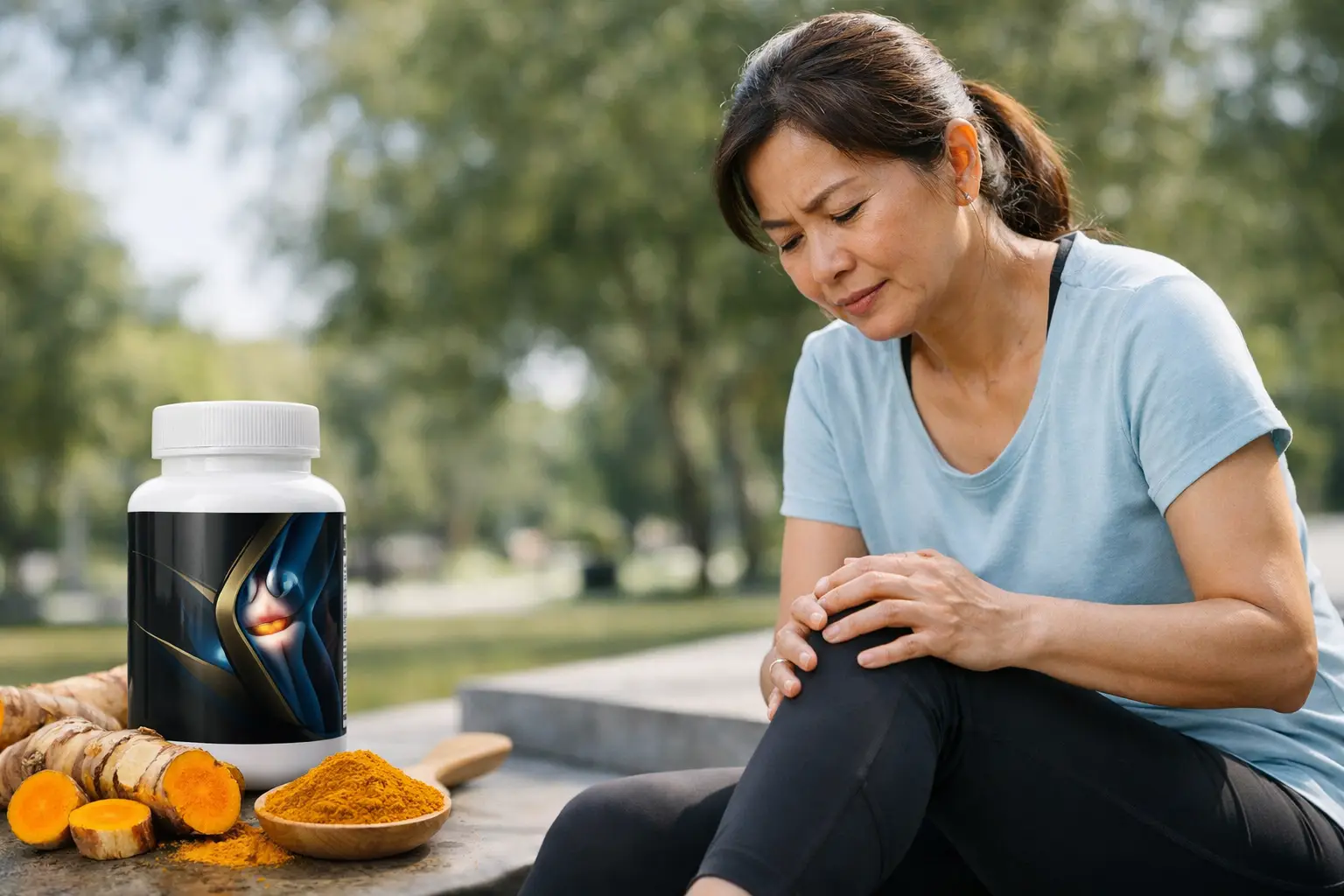
A knee that aches on the stairs, feels stiff after sitting, or complains after a morning walk can gradually make daily life feel smaller. Many people understandably ask, can curcumin help sore knees without relying only on regular pain medication? The honest answer is that it may help some people, particularly when inflammation is part of the picture, but it is not a cure and it works best as one part of a thoughtful knee-care plan.
Curcumin is the best-studied active compound in turmeric, the golden spice used in many Asian dishes. It has anti-inflammatory properties, which has led researchers to study whether concentrated curcumin supplements can ease pain and improve movement in people with knee osteoarthritis and recurring knee discomfort.
Why knees become sore and stiff
Sore knees are not all caused by the same problem. In adults over 40, osteoarthritis is common. This happens when the joint tissues change over time, including the cartilage that helps cushion the ends of bones. The joint may become irritated, causing pain, stiffness, swelling, and a crackling or grinding feeling during movement.
A knee can also hurt after overuse, a new exercise routine, an old injury, weak supporting muscles, or strain from carrying extra body weight. Inflammation can contribute to symptoms, but it is not always the main cause. That distinction matters because a supplement that supports the body’s inflammatory response may not address a torn ligament, a meniscus injury, or pain referred from the hip or lower back.
If your parent has started avoiding stairs or needs both hands to rise from a chair, do not assume it is simply a normal part of aging. A proper assessment can identify treatable causes and protect mobility.
Can curcumin help sore knees caused by osteoarthritis?
Research suggests that certain curcumin extracts may modestly reduce knee osteoarthritis pain and stiffness for some people. In several clinical trials, participants taking a well-absorbed curcumin formulation reported improvements in pain and physical function compared with those taking a placebo. Some studies have found effects similar to nonsteroidal anti-inflammatory drugs, or NSAIDs, for short-term symptom relief.
That does not mean curcumin replaces prescribed treatment. Studies vary widely in the extract used, the dose, the length of treatment, and the people enrolled. Results are more encouraging for mild to moderate osteoarthritis symptoms than for severe joint damage. A person with advanced arthritis, frequent swelling, or pain that disrupts sleep may need medical care beyond a supplement.
Curcumin is also unlikely to rebuild worn cartilage or correct the mechanical causes of knee pain. Think of it as possible support for comfort and function, not a substitute for strengthening, appropriate activity, weight management where relevant, or professional evaluation.
Why the formulation matters more than the spice jar
Turmeric in food is a healthy culinary ingredient, but it contains only a small amount of curcumin. Curcumin itself is also poorly absorbed by the body. This is why research usually uses standardized extracts designed to improve absorption rather than ordinary turmeric powder.
Some products combine curcumin with piperine, a compound from black pepper. Piperine can increase absorption, but it can also affect how the body processes certain medications. Other formulations use phospholipids or other delivery methods. These differences are not marketing details. They may influence both effectiveness and safety.
A carefully screened supplement should clearly state the type and amount of curcumin or curcuminoids it provides. Be cautious with vague labels that list a large amount of “turmeric blend” without explaining the standardized active ingredients.
What improvement is realistic?
When curcumin helps, the change is usually gradual rather than dramatic. A person may notice less stiffness after resting, greater comfort during walking, or slightly easier movement on stairs. Clinical studies often assess results after several weeks, not a few days.
It is reasonable to keep a simple symptom record before starting any new supplement. Rate pain from 0 to 10, note morning stiffness, and record what activities are difficult. Review these changes after four to eight weeks with your health care professional. If there is no meaningful benefit, there may be little reason to continue.
Do not use temporary pain relief as permission to suddenly double your activity. Knees generally respond better to steady, progressive movement. Short walks, gentle cycling, water exercise, and exercises that strengthen the thigh and hip muscles can reduce strain on the knee joint. A physical therapist can tailor this safely, especially after injury or surgery.
Curcumin safety: when to ask before taking it
Curcumin is often well tolerated, but natural does not automatically mean suitable for everyone. Some people experience stomach upset, nausea, loose stools, or heartburn. Higher doses may be more likely to cause digestive symptoms.
Speak with a doctor or pharmacist before using curcumin if you take blood thinners or antiplatelet medicines, such as warfarin, apixaban, clopidogrel, or daily aspirin. Curcumin may increase bleeding risk in some situations. It also deserves caution for people taking diabetes medication, because it may affect blood sugar, and for anyone using multiple regular medications.
People with gallstones, bile duct obstruction, or gallbladder disease should seek medical advice before taking concentrated curcumin. Those with liver disease should be especially careful. Rare cases of liver injury have been reported with turmeric and curcumin supplements, sometimes involving high-dose or enhanced-absorption products. Stop the supplement and seek medical care promptly if you develop yellowing of the skin or eyes, dark urine, severe fatigue, or upper abdominal pain.
If you are preparing for surgery, ask the surgical team whether you should stop curcumin beforehand. Pregnant or breastfeeding women should also get individualized medical advice rather than self-prescribing a concentrated extract.
Signs a sore knee needs medical attention first
Supplements should never delay care for a potentially serious knee problem. Arrange prompt medical evaluation if the knee is hot, very swollen, red, feverish, or suddenly painful without a clear explanation. These symptoms can occasionally signal infection, gout, or another inflammatory condition that needs targeted treatment.
Also seek care after a fall or twist if you cannot bear weight, the knee looks deformed, it locks in place, or you heard a pop followed by rapid swelling. Persistent pain lasting more than a few weeks, worsening night pain, or unexplained weight loss should be assessed as well.
For recurring osteoarthritis symptoms, a clinician can help confirm the diagnosis and discuss the full range of options. Depending on your situation, this may include exercise therapy, topical treatments, medication review, supportive footwear, braces, injections, or referral to a specialist.
Building a sensible knee-support routine
Curcumin has the best chance of being useful when it supports, rather than replaces, practical habits. Keep movement regular but manageable. Long periods of inactivity can increase stiffness, while sudden high-impact activity can flare symptoms. A warm shower or heat pack may ease stiffness before activity, while a cold pack may help after a swollen or overworked knee.
Pay attention to daily mechanics too. Supportive shoes, stable walking surfaces, and taking smaller loads up stairs can make a real difference. If excess body weight is contributing to knee strain, even modest, sustainable weight loss can reduce the load placed on the joint with every step. This is not about blame. It is about giving sore knees a more favorable environment to move in.
For caregivers, it can help to ask a parent specific questions rather than simply asking whether they are “fine.” Can they get in and out of the car comfortably? Are they avoiding their usual market walk? Have they changed how they climb stairs? Small changes often reveal declining confidence or function earlier.
Choosing support with care
The supplement aisle can be crowded with bold promises, but knee discomfort deserves more than a random purchase. Look for clear ingredient labeling, sensible dosing instructions, quality-focused manufacturing, and guidance that considers your medical history. Avoid products that promise to cure arthritis or work overnight.
Curcumin may be a reasonable option for some adults with sore, stiff knees, especially when paired with an active plan to protect joint function. Speak with your health care professional or pharmacist before starting it, particularly if you take regular medication. If you are looking for additional, carefully selected joint support, you can also learn more about Jointplex Pro and discuss whether it may fit your individual needs.


