
Subtotal: SGD$0.00
Knee Pain & Independence
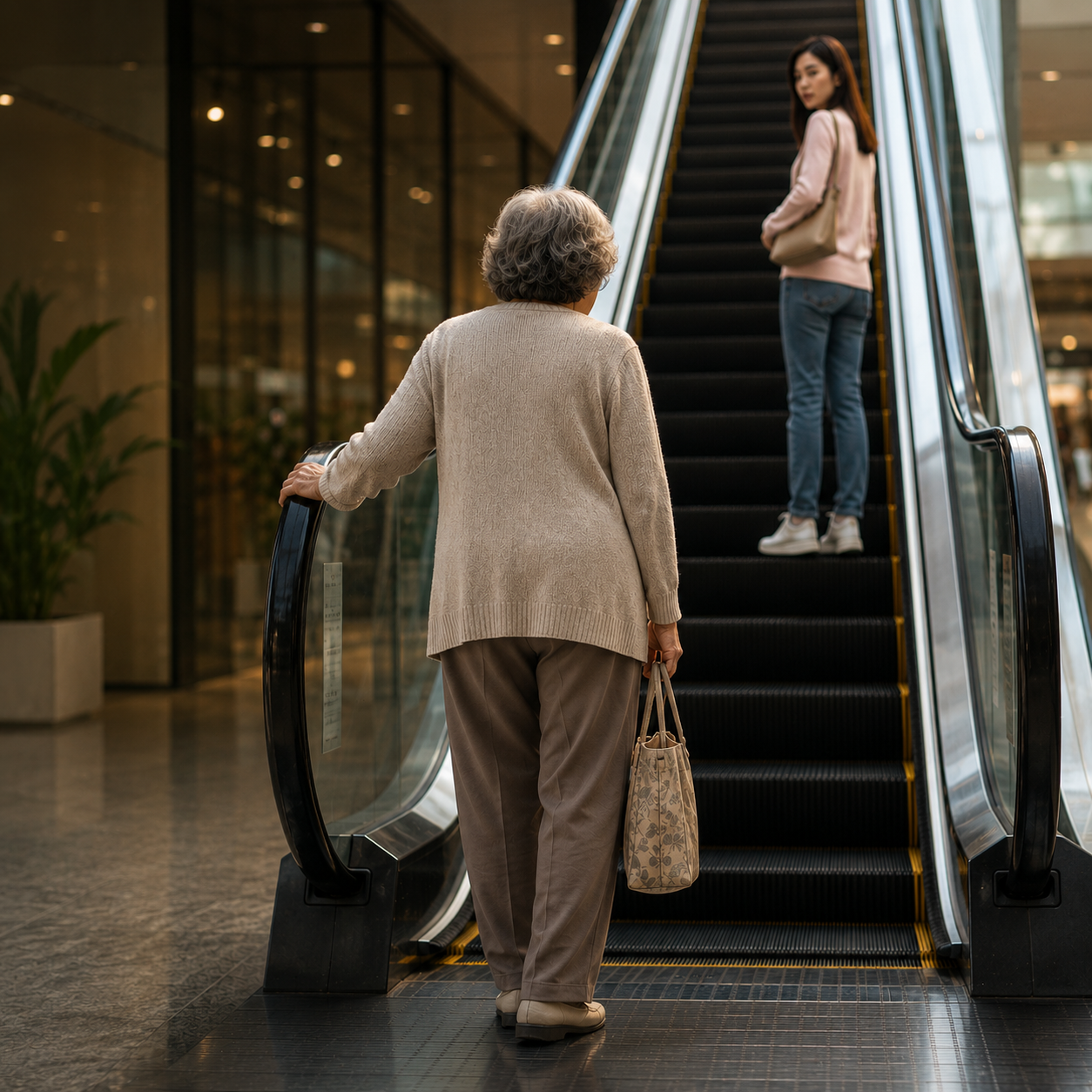
As we get older, most people think independence disappears because of age. In my experience, it’s often because of pain. Once your knees hurt, you stop walking. Then you stop travelling. Then you stop seeing friends. Independence disappears one decision at a time.
Signs Your Parent’s Knee Pain Is Affecting Their Independence
It rarely happens overnight.
Most parents don’t suddenly lose their independence. Instead, it happens in small, almost invisible ways.
Your mother stops joining family outings because “it’s too much walking.”
Your father asks you to carry the groceries “just this once.”
They decline invitations, avoid the stairs, or quietly give up hobbies they once loved.
Many older adults won’t complain about knee pain. They don’t want to burden their children or admit they’re slowing down. That’s why it’s often up to us to notice the subtle signs.
1. They Avoid Walking Whenever Possible
Have they started parking closer to the entrance?
Do they choose lifts instead of stairs every time?
Perhaps they no longer enjoy shopping malls, markets or neighbourhood walks.
These aren’t simply lifestyle changes—they may be attempts to avoid painful knees.
2. They Need Their Hands to Stand Up
Watch what happens when they get up from a dining chair or sofa.
Do they push hard on the armrests or use both hands to lift themselves?
Healthy knees should allow a person to stand comfortably. Needing extra support often suggests weakness, stiffness or pain in the knee joints.
3. They Stop Doing Things They Once Loved
Perhaps they used to:
- Garden every weekend
- Play with their grandchildren
- Go travelling
- Visit friends regularly
- Enjoy morning walks
Now they spend more time sitting at home.
It’s easy to think they’re “just getting older,” but persistent knee discomfort may be the real reason.
4. They Walk More Slowly
A slower walking pace isn’t always due to age.
Many people naturally shorten their stride or limp slightly to avoid putting pressure on painful knees.
You may notice they take longer to cross the road or prefer to let everyone else walk ahead.
5. They Hold Onto Railings or Furniture
Holding onto furniture while walking around the house or gripping stair railings tightly can be an early warning sign.
Pain often affects balance and confidence.
Sometimes it’s not because they’re afraid of falling—they’re trying to avoid the sharp pain that comes with each step.
6. They Turn Down Family Activities
One of the saddest signs is when knee pain begins affecting family life.
You might hear:
“I’ll stay home today.”
“You all go ahead.”
“It’s too far for me.”
What looks like a lack of interest may actually be fear of pain.
7. They Depend on You More Than Before
Maybe you’ve noticed you’re doing more for them.
Carrying shopping bags.
Picking up groceries.
Driving them everywhere.
Helping them around the house.
While helping our parents is part of life, increasing dependence can sometimes be a sign that knee discomfort is limiting their confidence and mobility.
Why Early Action Matters
The longer someone avoids movement because of pain, the weaker the muscles around the knee become.
This creates a cycle:
Pain → Less movement → Weaker muscles → More pain
Breaking that cycle early can help maintain mobility, confidence and independence.
Supporting Healthy Joints Naturally
If your parent’s knee discomfort is mild to moderate, lifestyle changes such as regular low-impact exercise, maintaining a healthy weight and eating a balanced diet can all support joint health.
Many families also choose natural joint supplements as part of their daily routine.
Jointplex Pro combines four well-researched herbal ingredients:
- Boswellia serrata
- Curcumin
- Ginger extract
- Ashwagandha
These botanicals have traditionally been used to support joint comfort, flexibility and everyday mobility. While they are not a cure for arthritis, they may help support an active lifestyle when combined with healthy habits.
The Greatest Gift Isn’t Doing Everything For Them
It’s helping them continue doing things for themselves.
Being able to walk comfortably.
To play with grandchildren.
To travel.
To enjoy family gatherings.
To live independently for as long as possible.
Sometimes, recognising the signs early is the first step towards preserving the independence they’ve spent a lifetime building.
Is Someone You Love Showing These Signs?
If you’ve noticed your parent becoming less active because of knee discomfort, don’t simply assume it’s “old age.”


