
Subtotal: SGD$0.00
Is Knee Pain a Sign of Arthritis? What to Watch
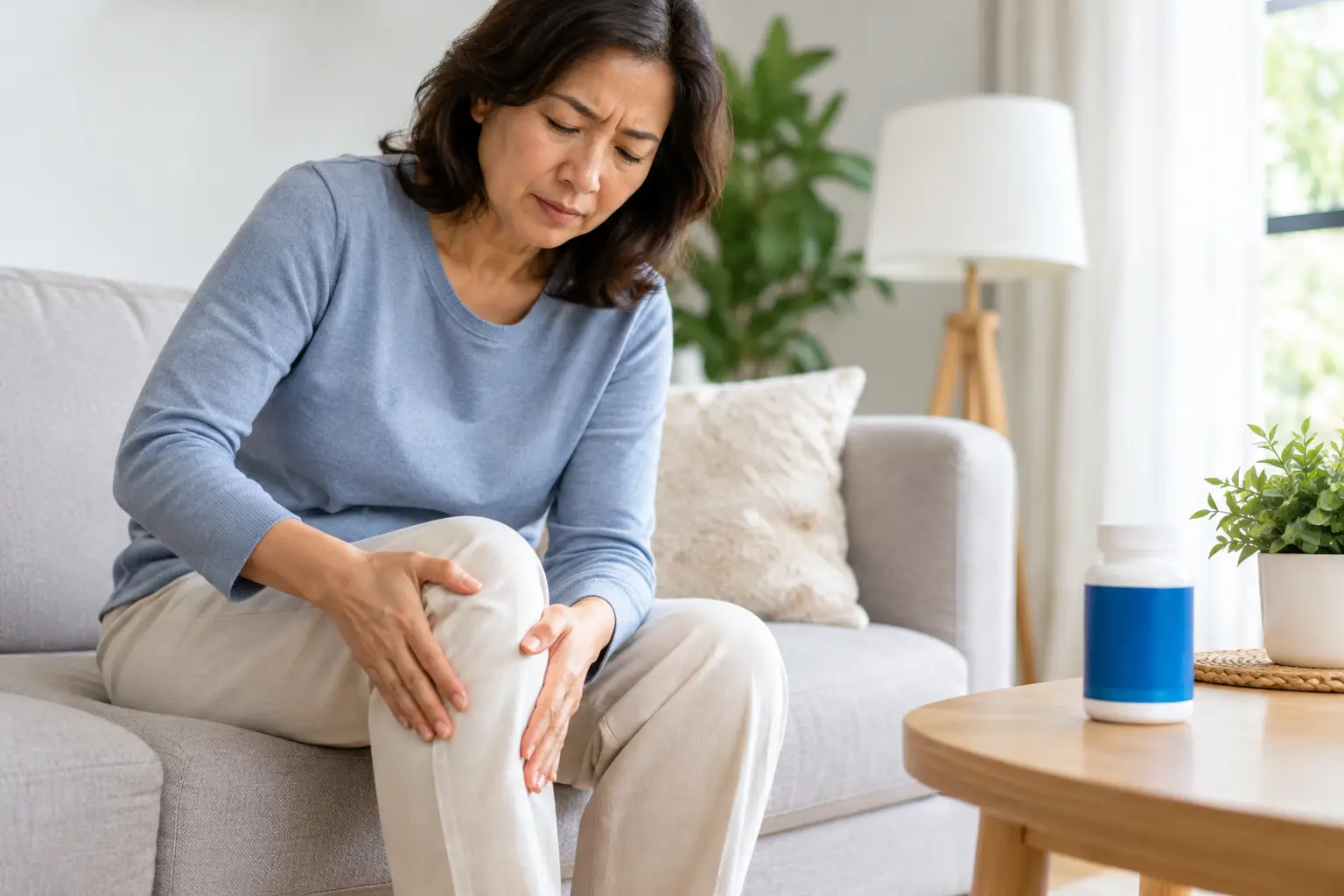
A painful knee can turn ordinary moments into careful calculations: whether to take the stairs, get up from a low chair, walk through the grocery store, or keep up with grandchildren. So, is knee pain a sign of arthritis? It can be, especially after age 40, but it is not the only possible explanation. The pattern of pain, stiffness, swelling, and how the knee behaves over time matters far more than pain alone.
For many adults, identifying the cause early helps protect mobility and independence. It also helps avoid two unhelpful extremes: ignoring a problem that needs care or assuming every ache means the joint is permanently damaged.
When knee pain may be a sign of arthritis
Arthritis is a broad term for conditions that affect joints. In the knee, the most common type is osteoarthritis. This happens when the joint changes over time, including wear of the cartilage that cushions the ends of the bones. It is more common with aging, previous knee injuries, excess body weight, repetitive joint strain, family history, and weaker thigh muscles.
Osteoarthritis pain often develops gradually. A person may first notice discomfort after a long walk, climbing stairs, squatting, or standing after sitting for a while. The knee can feel stiff in the morning or after rest, but the stiffness usually eases within about 30 minutes of moving around.
Other common signs include a grinding or crackling sensation, reduced ability to fully bend or straighten the knee, mild swelling, and pain that becomes more noticeable by the end of an active day. Some people feel that the knee is less reliable or less steady, particularly on stairs.
Pain in both knees can suggest osteoarthritis, especially if symptoms have built up slowly over years. However, arthritis can affect one knee more than the other, particularly after an old sports injury, fall, or knee surgery.
Not all arthritis feels the same
Inflammatory forms of arthritis, such as rheumatoid arthritis or psoriatic arthritis, are less common but need prompt medical assessment. They can cause warmth, visible swelling, tenderness, and morning stiffness that lasts longer than 30 to 60 minutes. Symptoms may also involve hands, feet, wrists, or other joints.
Gout can also affect the knee. It may cause sudden, severe pain with swelling, heat, and redness. An infection in the joint can look similar and is an emergency, particularly if there is fever or a person feels unwell.
Other reasons your knee may hurt
Knee pain is not automatically arthritis. Tendon irritation, a meniscus tear, bursitis, muscle strain, ligament injury, and kneecap problems can all produce pain around the same joint.
For example, pain at the front of the knee that worsens when using stairs or sitting with bent knees for a long time may be related to the kneecap. Pain that begins after a twist, with catching or locking, may point to a meniscus injury. Tenderness below the kneecap after new exercise or repeated squatting can be tendon-related.
Pain can also be felt in the knee when the source is elsewhere. Hip osteoarthritis, lower back conditions, and nerve irritation sometimes create pain that seems to come from the knee. This is one reason a proper assessment matters, particularly when symptoms are new, recurring, or limiting daily life.
Clues that make arthritis more likely
A few questions can help you understand the pattern. Does the discomfort return with weight-bearing activity, such as walking, stairs, or standing? Is there stiffness after sitting? Has your knee movement gradually become more limited? Do you notice swelling after busy days?
Arthritis becomes more likely when several of these features occur together and symptoms have developed slowly. Still, symptoms alone cannot confirm a diagnosis. A clinician may examine the knee, ask about past injuries and health conditions, and decide whether imaging such as an X-ray is useful. X-rays can show changes associated with osteoarthritis, but the amount of change on a scan does not always match the level of pain. Some people have visible joint changes with little discomfort, while others have significant symptoms with modest changes.
Warning signs that should not wait
Most knee pain is not an emergency, but certain symptoms deserve urgent medical attention. Seek prompt care if the knee becomes suddenly very swollen, hot, red, or extremely painful; if you have fever or feel ill; or if you cannot bear weight after an injury.
It is also wise to seek timely assessment for a knee that locks and cannot straighten, gives way repeatedly, looks deformed after a fall, or develops calf swelling and pain. These symptoms can have causes that should not be managed at home.
If you are caring for a parent or spouse, watch for a quieter warning sign as well: they may reduce walking, stop joining family outings, or hold onto furniture when moving around. Loss of confidence can lead to less activity, weaker muscles, and an even harder time staying mobile.
What can help knee arthritis pain day to day
A diagnosis of arthritis does not mean you should stop moving. In fact, the right amount of movement is one of the most useful ways to support knee function. The goal is not to push through sharp pain. It is to build strength and confidence without repeatedly aggravating the joint.
Low-impact activities such as walking on level ground, cycling, swimming, water exercise, and guided strength training are often easier on sore knees than jumping or running. Strong thigh, hip, and core muscles reduce some of the load placed on the knee during everyday movement. A physical therapist can tailor exercises if pain, balance concerns, or prior injury makes it difficult to know where to start.
Pacing is equally valuable. Break a long task into shorter sessions, alternate heavier activities with lighter ones, and avoid suddenly increasing exercise after a quiet period. Supportive, stable footwear may also make a meaningful difference, especially for people who spend long hours standing.
For temporary symptom relief, some people find heat soothing for stiffness and cold packs helpful after activity-related swelling. Over-the-counter pain medicines may be appropriate for some adults, but they are not risk-free. Anti-inflammatory medicines can affect the stomach, kidneys, blood pressure, and heart, and may interact with prescription medications. Older adults and anyone taking blood thinners, diabetes medication, or medication for heart or kidney conditions should ask a healthcare professional before using them regularly.
Where supplements may fit into a joint-care plan
Many people want additional support that does not rely only on frequent pain medication. A thoughtfully formulated joint supplement may be one part of a wider plan that includes movement, healthy weight management when appropriate, sleep, and medical care.
However, supplements are not a replacement for diagnosis, physical therapy, or treatment for a significant injury or inflammatory arthritis. Results also vary by person, ingredient, dose, and the underlying cause of pain. Quality matters: products should clearly state their ingredients and amounts, and people with medical conditions or regular medications should check for possible interactions.
At TSC Health, we believe joint support should be selective rather than overwhelming. Jointplex Pro is formulated for adults seeking natural support for joint comfort, stiffness, mobility, and inflammation management as part of a sensible long-term wellness routine. It should be used with realistic expectations and personalized professional guidance, not as a promise of a cure.
A useful next step for persistent pain
Keep a simple record for one or two weeks. Note when pain occurs, whether there is swelling or stiffness, what activities trigger it, and what improves it. This gives a healthcare professional more useful information than simply saying, “My knee hurts.”
If pain lasts more than a few weeks, interrupts sleep, affects your walking, or keeps you from the activities you value, arrange an evaluation. Early support can help you stay active and make informed choices before discomfort becomes your normal. Speak with your healthcare professional, and learn more about Jointplex Pro if you are looking for additional support for comfortable, confident movement.


