
Subtotal: MYR0.00
How to Reduce Joint Inflammation Naturally
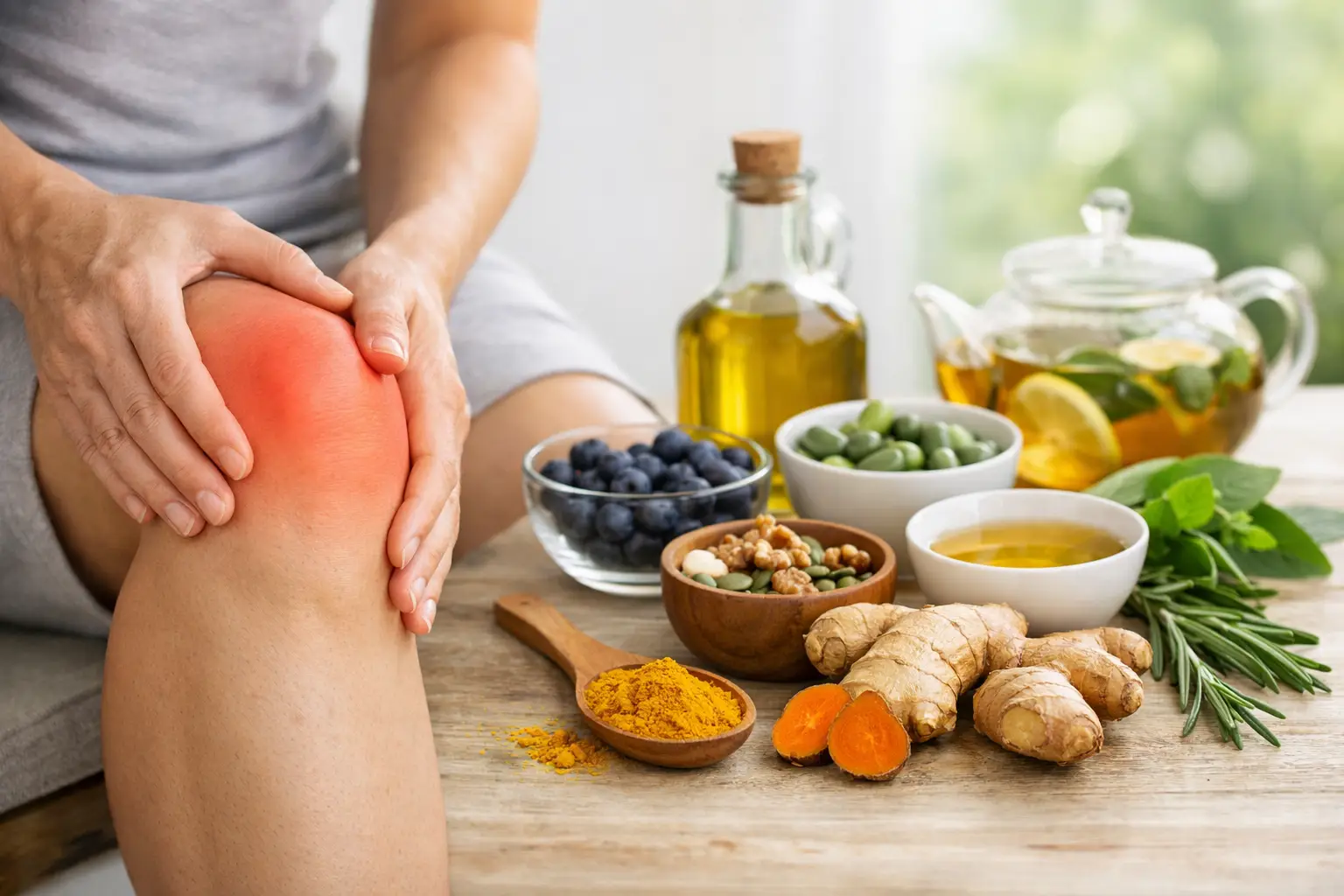
If your knees feel tight when you stand up, your hands ache in the morning, or your shoulders complain after simple tasks, you are not imagining it. Joint inflammation can build quietly over time, then start affecting how you walk, sleep, exercise, and even how confident you feel moving through the day. Many people searching for how to reduce joint inflammation naturally are not looking for a quick mask. They want steady relief, better mobility, and a plan they can live with.
What joint inflammation is really doing
Inflammation is part of the body’s repair response, but in joints it can become persistent and unhelpful. When that happens, tissues around the joint may swell, become warm, stiffen up, and grow more sensitive with everyday use. That is why stairs feel harder, workouts take longer to recover from, and mornings can start with stiffness instead of energy.
The tricky part is that joint inflammation is rarely caused by one thing alone. For some people, it is tied to osteoarthritis and years of wear. For others, it is driven by overtraining, old injuries, excess body weight, poor sleep, or a diet that keeps the inflammatory load high. Natural support works best when you address more than one trigger at a time.
How to reduce joint inflammation naturally without guessing
The most effective natural approach is usually layered. Food matters. Movement matters. Recovery matters. And for many adults, the right supplement can help fill a real gap, especially when daily stiffness or recurring discomfort has already become a pattern.
That does not mean every natural strategy works equally well for every person. Someone with mild exercise-related knee irritation may respond quickly to rest, mobility work, and anti-inflammatory nutrition. Someone with long-standing arthritis may need a broader plan and more patience before noticing meaningful changes.
Start with the foods that lower inflammatory pressure
You do not need a perfect diet to help your joints, but you do need a less inflammatory one. A practical place to begin is reducing ultra-processed foods, excess sugar, and heavily fried meals, all of which can make inflammation harder to control in some people. Alcohol can also be a problem if symptoms tend to flare the next day.
At the same time, add foods that support a calmer inflammatory response. Fatty fish such as salmon and sardines provide omega-3s that may help joint comfort over time. Extra virgin olive oil, berries, leafy greens, walnuts, turmeric, ginger, and colorful vegetables give you compounds that support recovery instead of adding stress.
This is one of the most overlooked truths about joint health: consistency matters more than intensity. One healthy meal will not undo a week of inflammatory eating, but a month of better choices can change how your body feels.
Keep moving, but change how you move
When joints hurt, many people swing between two extremes. They either push through pain and aggravate the area, or they stop moving and become even stiffer. Neither usually works well.
Gentle, regular movement helps lubricate joints, maintain muscle support, and reduce the sense of stiffness that comes from inactivity. Walking, cycling, swimming, light strength training, and mobility exercises are often more joint-friendly than high-impact sessions. If one type of movement causes a flare every time, that is useful information, not a failure.
You do not need punishing workouts to support your joints. In fact, building strength around the joint with controlled resistance can be more valuable than chasing intensity. Stronger muscles help absorb load so the joint itself does not take the full hit.
Pay attention to body weight, but think in terms of load
For weight-bearing joints like the knees, hips, and lower back, body weight can directly affect daily strain. Even modest weight reduction can make movement feel easier and reduce repetitive pressure on inflamed areas.
That said, this should be approached with care and realism. Joint pain often makes exercise harder, which makes weight management harder. The goal is not a harsh diet. The goal is lowering physical stress on the joint in a sustainable way through better nutrition, manageable movement, and time.
Sleep is not optional recovery
Poor sleep and inflammation often feed each other. If pain wakes you up, your body recovers less effectively. If you are chronically underslept, pain can feel sharper and inflammation may become harder to manage.
Aim for a steady sleep schedule, a darker room, and fewer late-night habits that keep your system activated. Some people also benefit from adjusting their sleep position or using pillows to reduce joint strain. It sounds simple, but quality sleep is one of the most natural anti-inflammatory tools available.
Natural ingredients that may support joint comfort
Food and movement create the foundation, but many people need more support than lifestyle changes alone can provide. This is where a carefully selected joint supplement can make sense.
The key word is carefully. The supplement market is crowded with underdosed formulas, generic blends, and labels that sound impressive without offering meaningful support. For a customer dealing with daily stiffness or recurring inflammation, quality control matters.
Turmeric and curcumin
Curcumin, the active compound in turmeric, is one of the best-known natural ingredients for inflammatory support. It may help reduce inflammatory signaling and improve comfort in some people with joint issues. The catch is absorption. A weak turmeric product may do very little, while a well-formulated curcumin supplement with enhanced absorption has a better chance of delivering results.
Boswellia
Boswellia is another respected herbal ingredient for joint support. It has been studied for its role in helping with inflammatory pathways and may be especially useful for stiffness and mobility. It is often included in more serious joint formulas because it works differently from turmeric, which can make the combination more helpful.
Glucosamine, chondroitin, and supportive compounds
These ingredients are often used to support cartilage and joint structure rather than inflammation alone. Results vary. Some people notice improved comfort over time, while others do not feel much difference. This is where personalized guidance matters, especially if you are trying to decide between structural support, anti-inflammatory support, or a formula that covers both.
Omega-3s and other recovery nutrients
Omega-3 fatty acids may help support a healthier inflammatory balance, especially if your regular diet is low in fatty fish. Certain antioxidants and plant compounds may also help, but the quality and dosing of the formula make a major difference.
When a targeted supplement is worth considering
If your joint discomfort is affecting daily movement, recurring after exercise, or making you rely too often on temporary pain relief, a premium supplement may be a smart next step. That is especially true if you have already tried random products and felt disappointed.
A selective company like TSC Health focuses on a smaller number of formulas for a reason. Joint support should not be treated like a bargain-bin category. Ingredient quality, formulation logic, and suitability for the individual all matter when you are trying to improve comfort and preserve mobility over the long term.
What natural relief can and cannot do
Natural strategies can be powerful, but they work best with honest expectations. If you have severe swelling, joint deformity, sudden redness, fever, or pain after an injury, you should not try to self-manage indefinitely. Those symptoms deserve proper medical evaluation.
Even in less urgent cases, natural support is usually gradual. Some people notice early improvement in a few weeks, especially with better diet and movement habits. Others need longer, particularly if the problem has been building for years. That does not mean the approach is failing. It often means the body needs time to calm down and adapt.
A practical way to begin this week
If you want to know how to reduce joint inflammation naturally in real life, not just in theory, start with a simple seven-day reset. Clean up the most inflammatory foods, walk or stretch daily within your comfort level, protect your sleep, hydrate better, and consider whether your current supplement routine is actually doing enough. Small changes done consistently tend to outperform dramatic plans that last four days.
You also do not have to figure everything out alone. Joint symptoms are personal. The right support depends on your age, activity level, symptom pattern, and health history. A more selective, guided approach often leads to better decisions than buying the loudest product on the shelf.
Relief usually starts when you stop chasing random fixes and start supporting your joints with intention.


