
Subtotal: MYR0.00
How to Ease Joint Swelling Safely
A swollen joint changes your whole day. Stairs feel harder, getting out of bed takes longer, and even small movements can leave you bracing for that tight, hot, stiff feeling. If you are searching for how to ease joint swelling, the goal is not just to get through today. It is to calm irritation, protect mobility, and stop a short flare from turning into a long stretch of discomfort.
Joint swelling is usually a sign that the body is reacting to stress, irritation, overuse, or inflammation. Sometimes that reaction follows exercise, a minor strain, or a day of doing more than usual. In other cases, it shows up with arthritis, recurring stiffness, or age-related wear that makes the joint more sensitive over time. The right approach depends on the cause, but a few principles help almost everyone: reduce aggravation, control inflammation, and support the joint without letting it become weaker or stiffer.
How to ease joint swelling in the first 48 hours
When swelling comes on suddenly, less is often more. The first step is to give the joint a short period of rest. That does not mean complete bed rest unless movement is truly painful. It means reducing the activity that triggered the flare and avoiding repeated strain while the area settles down.
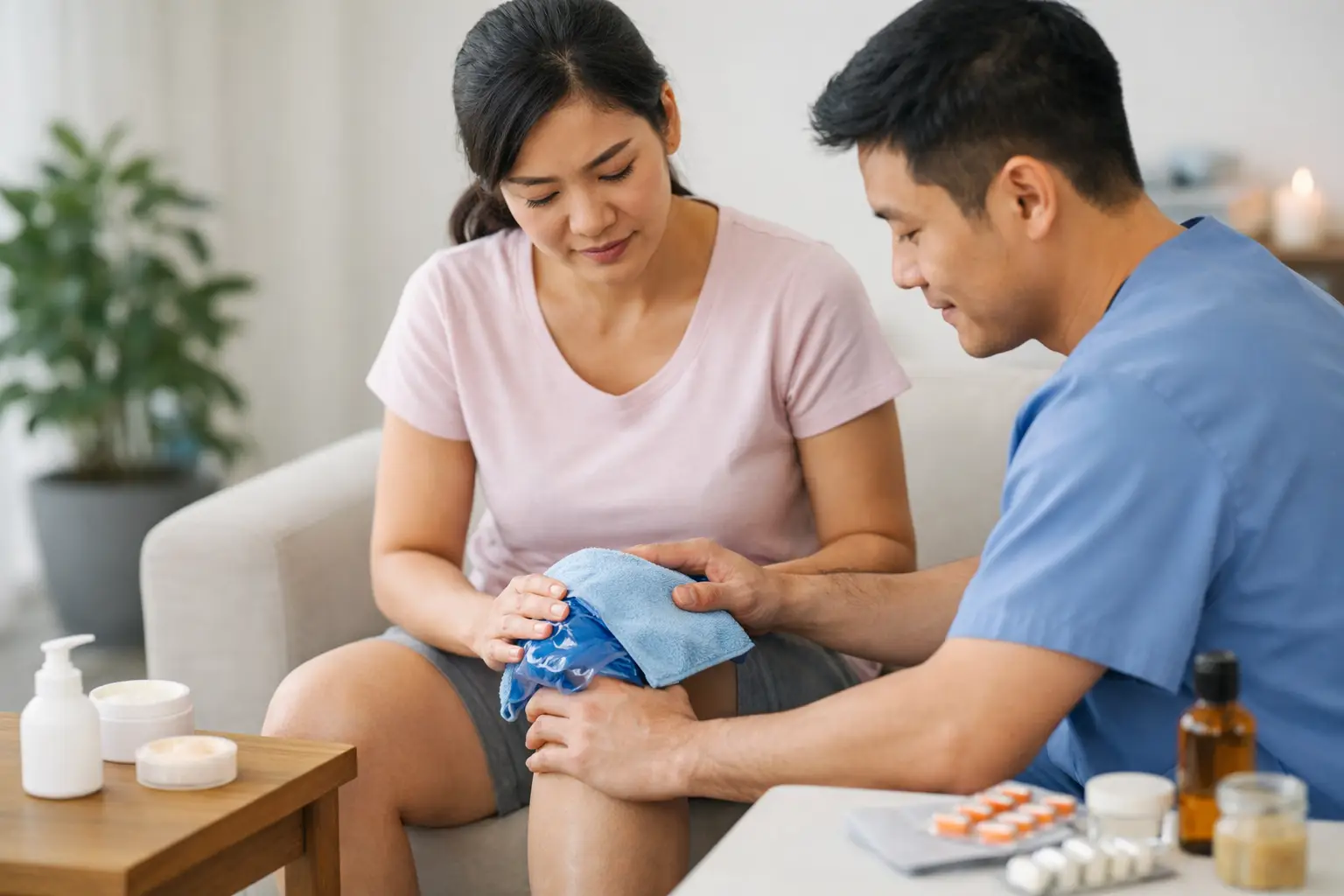
Cold therapy can help because it narrows blood vessels and may reduce both swelling and the throbbing sensation that often comes with it. An ice pack wrapped in a thin towel for 15 to 20 minutes at a time is usually enough. Longer is not better. Too much cold can irritate the skin and make the area feel worse afterward.
Elevation also matters, especially for knees, ankles, and feet. Keeping the joint slightly raised above heart level when possible can help fluid move out of the area. If the joint feels unstable, a simple compression wrap may offer support, but it should never be tight enough to cause numbness, tingling, or increased pain.
This early stage is also when many people make the mistake of pushing through. If a walk, workout, or household task clearly worsens the swelling, the joint is telling you it needs a reset. A day or two of reduced load can prevent a much longer setback.
When gentle movement helps more than rest
After the first day or two, staying completely still can backfire. Joints are built to move, and too much inactivity often leads to more stiffness, more guarding, and less confidence using the joint again. This is especially true for people dealing with arthritis or recurring swelling.
Gentle range-of-motion work can help restore circulation and keep the surrounding tissues from tightening up. Slow knee bends, ankle circles, shoulder rolls, or easy stretching can be useful if they do not sharply increase pain. The key is to move within comfort, not to force flexibility.
Walking can help some people, but it depends on the joint and the cause. A mildly stiff knee may feel better after an easy walk. A visibly swollen ankle after overuse may need more offloading first. That trade-off matters. Movement should leave the joint looser, not hotter and more inflamed.
Heat or ice – which is better?
People often ask whether heat or ice is the better choice. For obvious swelling, warmth, or a recent flare, ice is usually the better starting point. It is more useful for calming active inflammation.
Heat tends to help more when stiffness is the main problem rather than puffiness. If your hands feel rigid in the morning or your knees feel tight after sitting, a warm shower or heating pad may help the joint move more comfortably. But if the area is already swollen and warm, heat can sometimes aggravate it.
Some people do well alternating the two, especially once the sharpest part of the flare has passed. Ice may calm the joint after activity, while heat may help prepare it for movement earlier in the day.
What can make swelling worse
Joint swelling is not always about one major injury. More often, it builds from small patterns that keep irritating the area. Extra body weight increases force through the knees, hips, and ankles. Weak muscles reduce support around the joint. Repetitive exercise without enough recovery can keep inflammation simmering. Even poor footwear can change alignment and add stress in ways people do not notice right away.
Diet can also play a role, especially for people who feel widespread stiffness or recurring inflammatory flares. A highly processed diet, excess alcohol, and poor hydration do not cause every swollen joint, but they can make recovery harder for some people. On the other hand, regular hydration and a diet built around whole foods, healthy fats, and antioxidant-rich produce may support a calmer inflammatory response.
Sleep is another overlooked factor. When sleep quality drops, pain sensitivity often rises, and recovery tends to slow. If joint swelling keeps coming back, it is worth looking at the broader picture rather than only treating the flare itself.
Natural support for recurring joint swelling
If swelling is a one-time response to overuse, home care may be enough. But if it keeps returning, many people want something that supports the body more consistently, especially if they are trying to avoid relying too heavily on frequent painkiller use.
This is where targeted joint support can be useful. Natural ingredients such as turmeric, boswellia, bromelain, and other clinically studied anti-inflammatory compounds are often used to help manage inflammation and improve day-to-day comfort. The quality standard matters here. Joint supplements are not all formulated the same, and many products on the market are filled with trendy ingredients at ineffective doses.
A selective, clinically oriented formula is usually the better choice for people who want meaningful support. TSC Health focuses on that narrower, higher-standard approach because people dealing with arthritis, stiffness, or exercise-related joint discomfort do not need a hundred average options. They need one well-screened solution that is built to support inflammation control, mobility, and long-term joint function.
That said, supplements are not instant rescue tools. They tend to work best as part of a bigger strategy that includes activity management, gentle movement, and attention to aggravating habits. The benefit is often cumulative rather than immediate.
How to ease joint swelling without making the joint weaker
One of the biggest concerns people have is whether protecting a sore joint will make it weaker over time. The answer is that it can, if protection turns into prolonged avoidance. A joint that is never loaded carefully can lose muscle support, and that often leads to more instability and irritation later.
The better approach is staged recovery. First calm the flare. Then reintroduce movement. Then rebuild strength around the area in a controlled way. For knees, that may mean gentle leg raises, supported sit-to-stands, or light strengthening approved by a clinician. For shoulders, it may mean posture work and controlled mobility exercises. For hands, it may mean short movement sessions spread through the day instead of one long task that triggers swelling.
This is especially important for older adults. Protecting independence is not just about reducing pain. It is about keeping the body confident and capable enough to keep doing daily life.
When swelling needs medical attention
Not every swollen joint should be managed at home. If swelling appears after a clear injury and you cannot bear weight, move the joint normally, or the area looks deformed, prompt medical evaluation is important. The same is true if the joint is very red, extremely warm, or paired with fever, as infection or a crystal-related flare such as gout may need urgent care.
Ongoing swelling that lasts more than several days, keeps returning, or affects multiple joints should also be assessed. Persistent inflammation can point to arthritis or another underlying condition that needs a more specific treatment plan.
If you are already dealing with chronic joint issues, it helps to track patterns. Notice what triggers flares, what time of day symptoms worsen, and whether swelling responds to rest, movement, or dietary changes. Those details can make it easier to choose the right next step instead of guessing.
A steadier path to relief
Learning how to ease joint swelling usually comes down to two things: calming what is happening now and reducing the chance that it keeps happening again. Short-term tools like ice, rest, elevation, and gentle movement can make a real difference, but lasting relief usually comes from a more consistent plan that supports the joint rather than simply masking symptoms.
If your joints have been asking for more support than basic home care can provide, that is worth listening to. Relief matters, but so does keeping your mobility, confidence, and freedom to move through the day with less hesitation.


