
Subtotal: SGD$0.00
Exercise Induced Joint Pain Solutions That Work
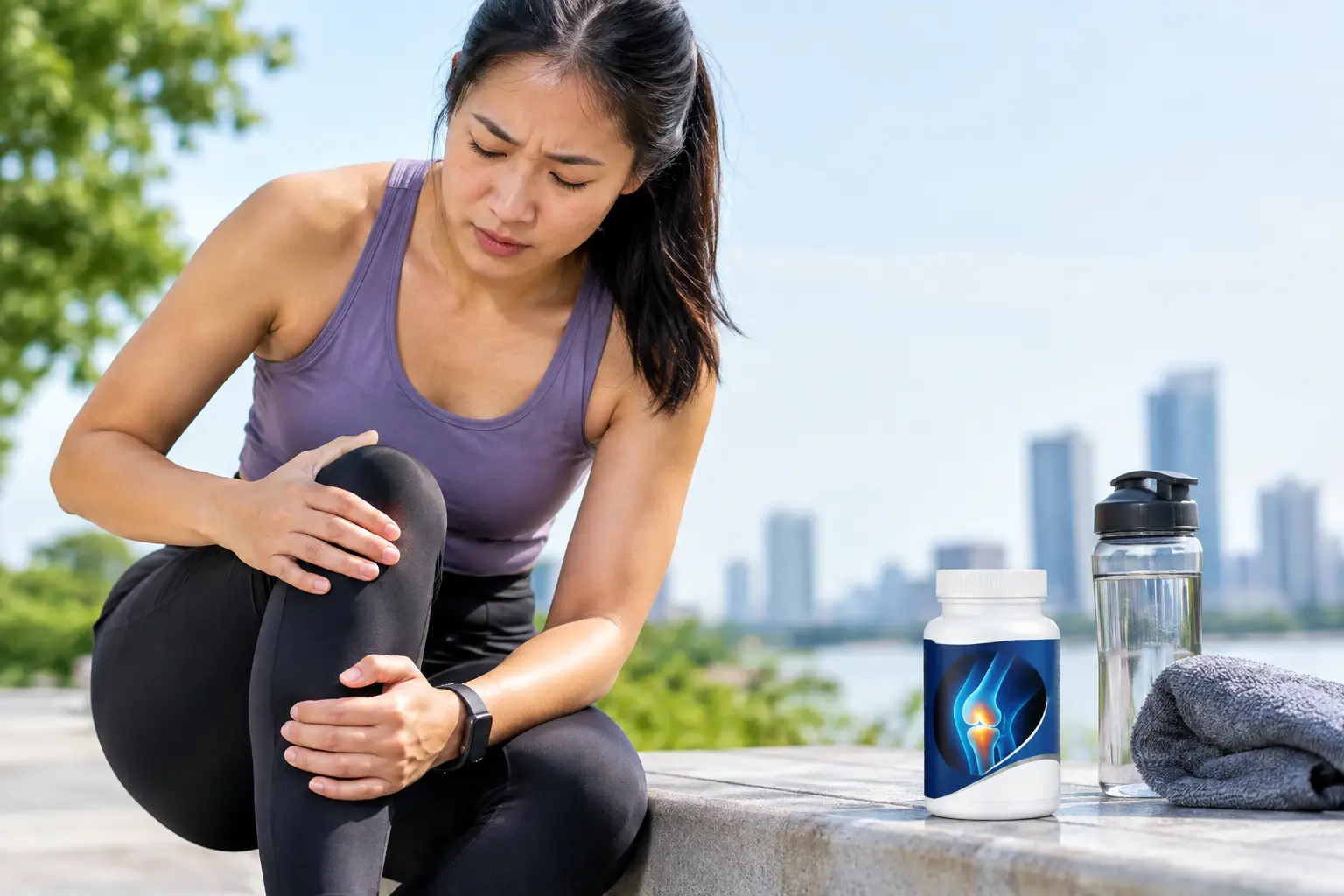
A walk that once felt refreshing now causes a sore knee. A gym session leaves your shoulders aching for days. For many adults, exercise induced joint pain solutions are not about giving up movement. They are about finding the right kind and amount of movement so you can stay active without repeatedly irritating a joint.
Joint pain after exercise is common, especially after age 40. But “common” does not mean you should ignore it. The pattern of pain matters. A mild ache that settles quickly may reflect normal muscle and tissue adaptation. Sharp pain, swelling, catching, or pain that returns every time you exercise deserves a closer look.
Why Joints Hurt During or After Exercise
A joint is where two bones meet, supported by cartilage, muscles, tendons, ligaments, and joint fluid. Exercise places healthy stress on these tissues. This can improve strength and mobility over time. Trouble begins when the load exceeds what a joint can currently tolerate, or when an underlying condition makes the joint more sensitive.
The most common reason is a sudden change in activity. Perhaps you have started brisk walking after months of being less active, increased your weights too quickly, or added hills, stairs, or long exercise classes. Muscles may recover within a day or two, but tendons and joint structures often adapt more slowly.
Age-related osteoarthritis can also play a role. Osteoarthritis involves gradual changes to joint cartilage and the tissues around it. It often affects knees, hips, hands, and the spine. Exercise is usually helpful for osteoarthritis, but the wrong intensity, poor technique, or inadequate recovery can trigger a painful flare.
Other causes include old injuries, weak supporting muscles, stiff hips or ankles that shift pressure into the knees, poorly fitted shoes, and inflammatory conditions such as rheumatoid arthritis or gout. That is why the same exercise plan is not right for everyone.
Exercise Induced Joint Pain Solutions Start With the Pain Pattern
Before changing your routine, notice when and where the pain occurs. Pain that feels like general stiffness and improves as you warm up may need a gentler start and better mobility work. Pain that increases steadily during activity, changes your gait, or lingers well into the next day suggests that your recent workload may be too high.
A useful guide is the 24-hour response. Mild discomfort during activity can sometimes be acceptable if it remains manageable and returns to your usual level by the next day. If pain is noticeably worse the following morning, reduce the duration, pace, resistance, or range of motion at your next session.
This does not mean pushing through significant pain. Sharp, stabbing, unstable, or locking sensations are not training signals to ignore. Neither is a swollen joint that feels hot or looks larger than usual.
Tell Muscle Soreness From Joint Pain
Muscle soreness is usually felt in the body of the muscle, such as the thighs after squats. It often develops 12 to 48 hours after an unfamiliar workout and gradually eases. Joint pain is more likely to feel deep, localized around the knee, hip, shoulder, or ankle, and may come with swelling, clicking, reduced movement, or pain on stairs.
Some clicking without pain can be harmless. Clicking with pain, swelling, or a feeling that the joint is catching should be assessed by a health professional.
Adjust Exercise Without Stopping Completely
Complete rest may be necessary briefly after an acute injury, but avoiding all movement for long periods can increase stiffness and muscle weakness. In many cases, the better approach is relative rest: reduce the activity that aggravates the joint while maintaining comfortable movement in other ways.
For example, if running makes your knee hurt, consider flat walking, cycling with low resistance, water exercise, or an elliptical machine for a period. If overhead weights aggravate your shoulder, lower-body work and pain-free shoulder exercises may still be possible. The goal is to keep your body moving while allowing irritated tissue time to settle.
When restarting or progressing, change one variable at a time. Increase either duration, speed, weight, hills, or frequency, rather than all of them in the same week. A modest increase is often more sustainable than a dramatic burst of enthusiasm followed by a painful setback.
Warm up for five to 10 minutes with easy movement before harder exercise. A short walk, gentle cycling, or controlled arm movements can help stiff joints feel more prepared. Save deeper stretching for after activity, when tissues are warm, and do not force a painful stretch.
Build the Muscles That Protect the Joint
Strong muscles reduce strain on joints by helping control movement and absorb force. For knee discomfort, this commonly means working not only the front thigh muscles but also the glutes, hamstrings, calves, and core. For shoulder discomfort, the upper back and rotator cuff muscles are often important.
The exercise choice depends on your symptoms and fitness level. Chair sit-to-stands, supported step-ups, wall push-ups, resistance-band rows, and gentle bridges can be practical starting points when performed with good form and within a comfortable range. A physical therapist can be particularly helpful if pain keeps returning, because they can identify movement patterns that are difficult to spot on your own.
Form matters as much as effort. Knees that collapse inward during a squat, a rounded back when lifting, or a shoulder that repeatedly shrugs toward the ear can increase joint stress. If you are unsure about technique, use a qualified trainer or physical therapist rather than copying an advanced workout online.
Support Recovery Between Sessions
Recovery is where improvement happens. Aim for regular sleep, enough protein and fluids, and rest days that match your current activity level. If a joint is mildly sore after exercise, a cold pack wrapped in a towel for short periods may ease swelling or discomfort. Heat can feel better for stiffness before activity, particularly when there is no new swelling.
Footwear also deserves attention. Worn-out shoes or shoes that do not suit your activity can alter how force travels through the feet, ankles, knees, and hips. This is especially relevant for walking and running on hard surfaces. A shoe does not need to be expensive, but it should feel stable, comfortable, and appropriate for the activity.
Some people rely on anti-inflammatory pain medicines to stay active. These medicines can be useful when recommended by a clinician, but regular or long-term use is not risk-free. They may affect the stomach, kidneys, blood pressure, or heart health, and can interact with other medicines. Do not use pain relief to repeatedly override severe pain during exercise.
Where Supplements May Fit
A carefully formulated joint supplement may be considered as part of a broader joint-support plan, not as a substitute for diagnosis, rehabilitation, or sensible training. Evidence for individual ingredients varies, and results are usually gradual rather than immediate. Quality matters because supplement labels and ingredient amounts can differ greatly.
Look for transparent formulations, sensible dosing, and products screened with high standards. If you take blood thinners, diabetes medication, blood pressure medication, or have liver, kidney, stomach, or gallbladder concerns, ask your pharmacist or clinician before starting any herbal or nutritional supplement. This is particularly important for older adults managing several medications.
When Exercise Pain Needs Medical Attention
Seek urgent medical care after a fall or injury if you cannot bear weight, the joint looks deformed, or you have sudden severe pain. Prompt assessment is also needed for a red, hot, very swollen joint, especially with fever or feeling unwell. These symptoms can point to infection, gout, or another condition that should not be managed at home.
Arrange a non-urgent medical review if pain lasts more than a couple of weeks despite reducing activity, wakes you at night, causes repeated swelling, or limits normal tasks such as climbing stairs, getting out of a chair, or carrying groceries. Early guidance can prevent a manageable issue from becoming a longer-term limitation.
The best exercise plan is not necessarily the hardest one. It is the one you can repeat comfortably enough to build strength, confidence, and independence over months and years. Speak with your healthcare professional about persistent joint pain, and learn more about Jointplex Pro if you are looking for additional support.


