
Subtotal: MYR0.00
Curcumin Supplement Review for Joint Comfort
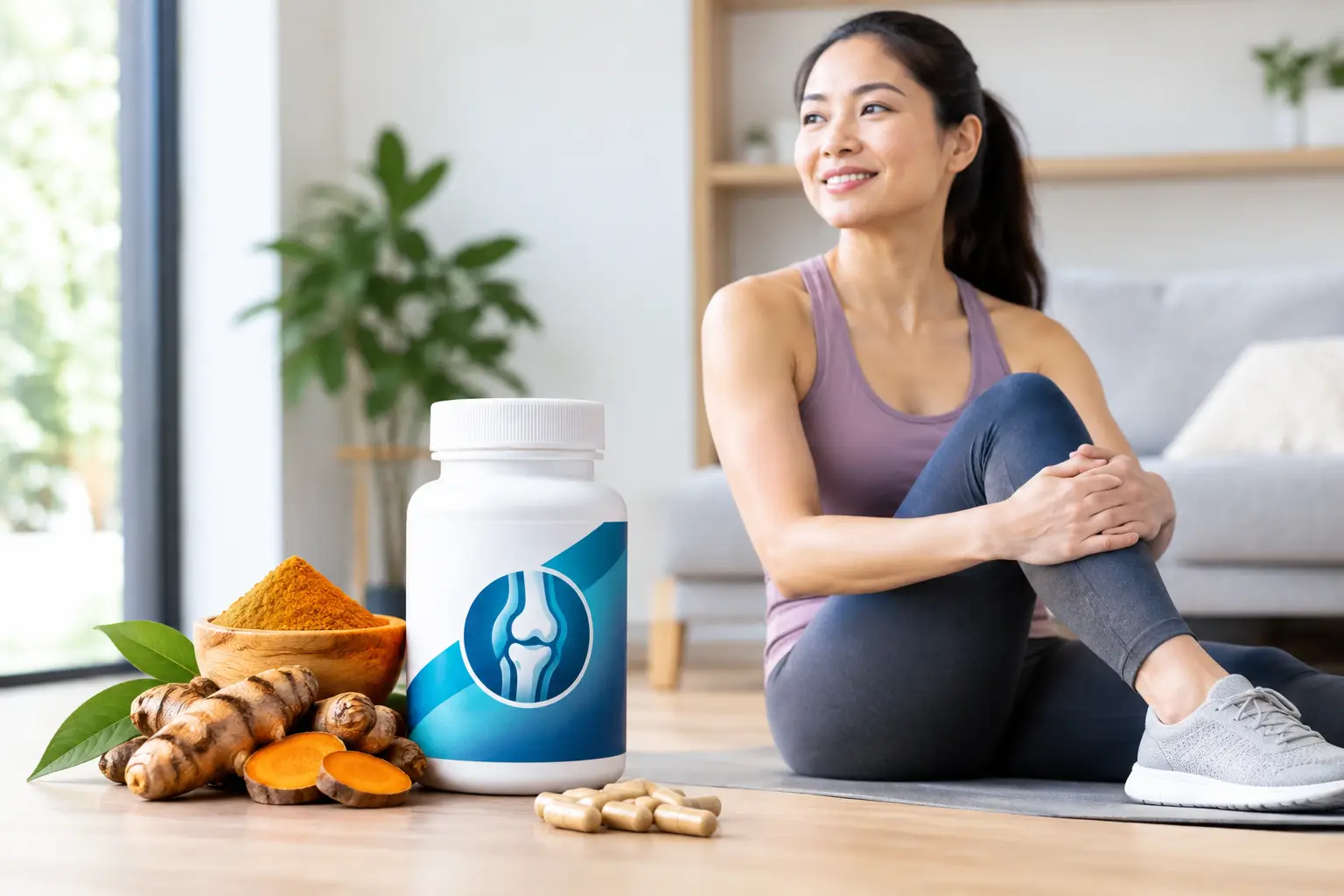
A curcumin supplement review should answer more than one question: “Does it work?” For someone whose knees ache on the stairs, whose fingers feel stiff in the morning, or whose parent is moving less because of joint discomfort, the better question is whether a specific product is well made, appropriate for their health needs, and worth trying alongside proper medical care.
Curcumin is the best-studied group of natural compounds in turmeric. It may help support the body’s normal inflammatory response, which is why it is often considered by adults with osteoarthritis, exercise-related soreness, and recurring stiffness. But turmeric supplements are not all the same. The form, dose, absorption method, and your medications can make a real difference.
What Curcumin Can Realistically Do for Joints
Inflammation is part of the body’s natural repair process. However, in conditions such as osteoarthritis, ongoing low-grade inflammation can contribute to pain, stiffness, and reduced movement. Curcumin has anti-inflammatory and antioxidant activity in laboratory studies, and human research suggests it may help some people with osteoarthritis reduce pain and improve daily function.
That does not mean it repairs worn cartilage or cures arthritis. It also should not be treated as a replacement for an assessment when pain is new, severe, swollen, or affecting sleep. The most reasonable expectation is gradual support for comfort and mobility, especially when curcumin is paired with regular low-impact movement, a healthy weight, adequate sleep, and a treatment plan from a healthcare professional.
Research results are encouraging but varied. Studies use different extracts, doses, and formulations, making direct comparisons difficult. Some people notice less stiffness after several weeks; others notice little change. A supplement should earn its place in your routine by providing a meaningful benefit, not by making promises on the label.
Curcumin Supplement Review: What to Check First
The word “turmeric” on a bottle is not enough. Culinary turmeric powder contains only a small amount of curcuminoids, the active compounds that include curcumin. A standardized curcumin extract tells you more clearly how much of these compounds you are taking.
Look for a label that states the amount of curcuminoids or curcumin per serving, rather than relying only on the total amount of turmeric root. A transparent manufacturer should also provide a full ingredient list, serving size, suggested use, and lot or batch information. These basics matter because supplement quality can vary widely.
Absorption is another major issue. Curcumin is naturally difficult for the body to absorb. Quality products often use a delivery method intended to improve absorption, such as a phospholipid complex, a specialized curcumin extract, or black pepper extract containing piperine. Better absorption may allow a lower dose to be effective, but it also means safety and medication interactions deserve closer attention.
A premium supplement should not hide behind a long list of trendy ingredients. More ingredients do not automatically mean better joint support. For adults managing several medications or health conditions, a focused formula with clearly stated amounts is often easier to assess with a pharmacist or doctor.
Dose Matters, but the Label Needs Context
Clinical studies of joint comfort often use formulated curcumin products that provide roughly 500 to 1,500 mg of curcuminoids daily, sometimes divided into doses. This is not a universal recommendation. The amount that makes sense depends on the extract, its absorption technology, your body size, your health history, and the other products you use.
Do not assume that a higher number on the front label means a stronger or better product. One supplement may list 1,000 mg of turmeric root with a modest curcuminoid content, while another provides a smaller amount of a concentrated, absorption-enhanced extract. The label should make that distinction understandable.
If your clinician agrees that curcumin is suitable, follow the product directions rather than combining multiple turmeric products. Give it a fair but defined trial, often several weeks, while tracking a practical measure such as morning stiffness, ability to walk, knee comfort on stairs, or how often you need pain relief. If there is no clear benefit, reassess rather than continuing automatically.
Who Should Be Careful With Curcumin?
Natural does not always mean risk-free. Curcumin is generally well tolerated by many adults, but it can cause indigestion, nausea, loose stools, or stomach discomfort, particularly at higher doses. Taking it with food may be easier on the stomach for some people.
More importantly, curcumin may not be appropriate without professional guidance if you take blood-thinning or antiplatelet medicines, have a bleeding disorder, or are preparing for surgery. Products containing piperine can affect how the body processes certain medications, potentially changing their effects. People taking diabetes medicines should also ask about possible effects on blood sugar.
Speak with a healthcare professional before using curcumin if you have gallstones, bile duct obstruction, significant liver disease, frequent acid reflux, or a history of medication-related liver problems. Rare cases of liver injury have been reported with turmeric and curcumin supplements, including some highly absorbable formulations. Stop the supplement and seek medical advice promptly if you develop yellowing of the eyes or skin, dark urine, unusual fatigue, severe abdominal pain, or persistent nausea.
Pregnant or breastfeeding women, and anyone arranging surgery, should get individualized advice before starting a curcumin product. This extra care is particularly valuable for caregivers choosing supplements for an older parent who may be taking several prescriptions.
Signs of a Quality Curcumin Product
When comparing products, prioritize evidence and transparency over dramatic language. A well-considered choice usually has a standardized extract, a clearly explained absorption approach, and a label that discloses active amounts rather than relying on a vague proprietary blend.
It should also be made by a company willing to explain its quality controls and ingredient sourcing. Independent testing for identity and contaminants is a meaningful quality practice, especially for herbal products. While testing does not guarantee that a supplement will work for every person, it offers reassurance that the bottle is more likely to contain what the label says.
Be cautious with claims that a product will “reverse arthritis,” replace prescription treatment, or provide instant pain relief. Osteoarthritis, rheumatoid arthritis, gout, tendon injuries, and back-related pain have different causes. A supplement appropriate for one type of discomfort may not address another. Red, hot, suddenly swollen joints, fever, unexplained weight loss, weakness, or pain after a fall need medical assessment rather than self-treatment.
Curcumin Works Best as Part of a Mobility Plan
For many adults, joint pain creates a frustrating cycle. Movement hurts, so activity decreases; then muscles weaken and joints feel even less supported. Curcumin may be one supportive tool, but lasting mobility usually comes from several small, consistent measures.
Gentle strengthening around the knees, hips, and core can reduce strain on painful joints. Walking, swimming, cycling, tai chi, or guided physical therapy may help maintain range of motion without heavy impact. Supportive footwear, sensible pacing, and rest after unusually demanding activity can also reduce flare-ups. If weight loss is medically appropriate, even a modest reduction in body weight can lessen pressure on weight-bearing joints.
For people using anti-inflammatory pain medicines regularly, it is especially worthwhile to speak with a clinician about a longer-term plan. Medicines such as NSAIDs can be useful, but ongoing use may carry stomach, kidney, blood pressure, or cardiovascular risks for some individuals. A careful plan may include exercise, physical therapy, sleep support, prescribed treatment when needed, and thoughtfully selected supplements rather than relying on any one approach.
Choosing a curcumin supplement is not about finding the loudest claim. It is about selecting a transparent, well-formulated option that fits your health situation and has a realistic purpose: supporting more comfortable movement and better day-to-day confidence. Speak with your healthcare professional before starting, especially if you take prescription medicines, and learn more about Jointplex Pro if you are looking for additional support for joint comfort and mobility.


