
Subtotal: MYR0.00
Does Losing Weight Reduce Knee Pain? The Evidence
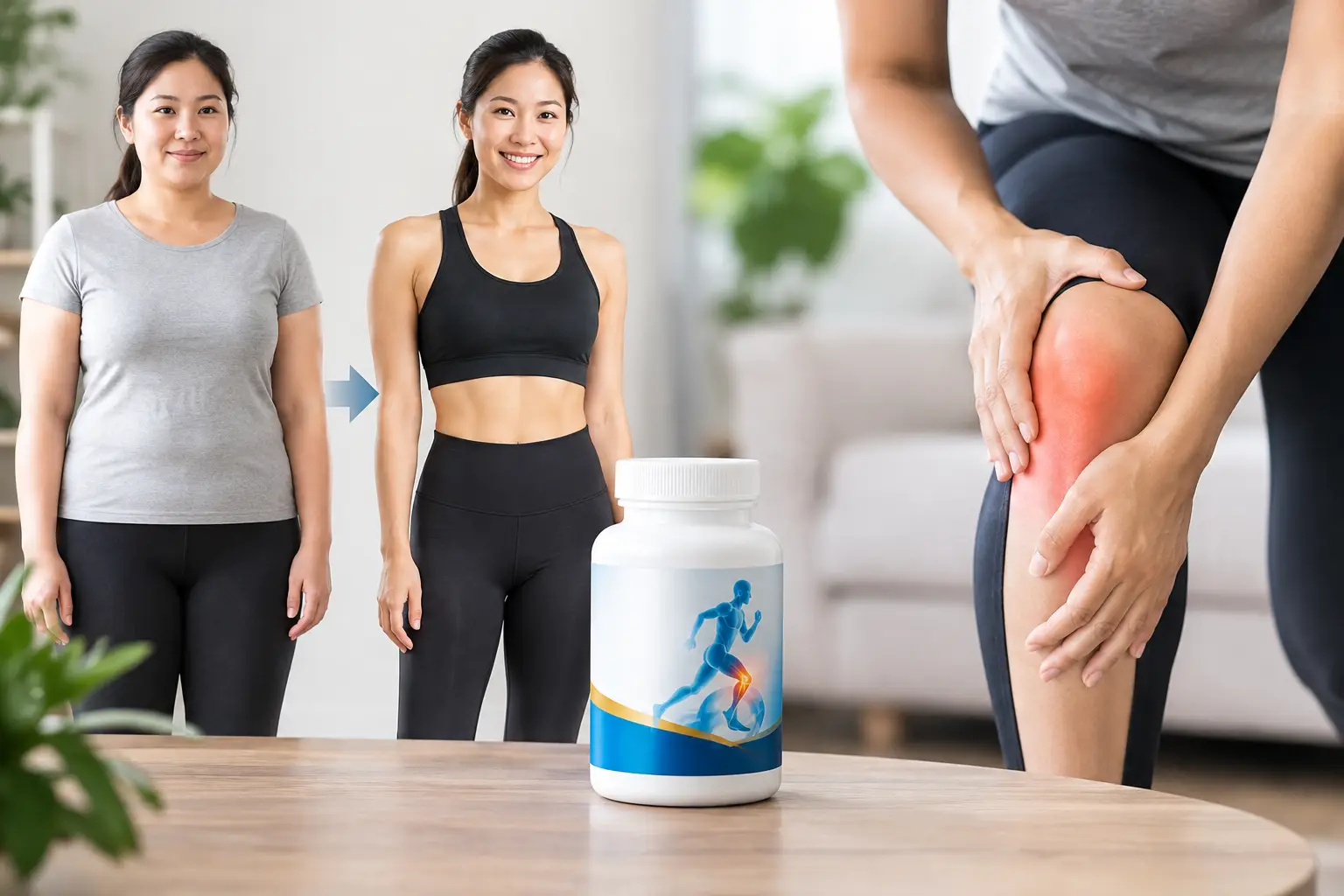
The stairs can become a daily reminder that your knees are struggling. If getting up from a chair, walking through the grocery store, or standing to cook leaves your knees aching, you may wonder: does losing weight reduce knee pain? For many people, especially those with knee osteoarthritis and excess body weight, the answer is yes. Even a modest, gradual loss can reduce pressure on the knee joint and make movement more comfortable.
Weight loss is not a cure for every cause of knee pain. A torn ligament, a recent injury, gout, inflammatory arthritis, or pain that comes from the hip or lower back needs its own assessment and treatment. But when extra body weight is contributing to knee strain, losing weight is one of the most practical ways to support long-term mobility.
Does Losing Weight Reduce Knee Pain in Osteoarthritis?
Knee osteoarthritis is the most common form of arthritis. It develops when the tissues within and around the joint change over time. The smooth cartilage that helps the joint move may wear down, the bone beneath it can become irritated, and the lining of the joint may become inflamed. This can lead to pain, stiffness, swelling, clicking, and difficulty with stairs or longer walks.
Body weight matters because the knees carry far more than the number shown on a scale. With every step, the knee absorbs force from your body weight and movement. Research suggests that, for people with knee osteoarthritis who are overweight, losing one pound of body weight may reduce the load on the knee by roughly four pounds per step. The exact amount varies with walking speed, muscle strength, alignment, and activity, but the overall message is clear: less weight often means less repeated stress on a painful knee.
Weight loss may also help beyond simple mechanics. Body fat is active tissue that can release substances linked with low-grade inflammation. Reducing excess body fat may therefore support a healthier inflammatory balance in the body. This does not mean pain disappears overnight, but it helps explain why some people feel better with gradual weight reduction even before reaching a large weight-loss goal.
How Much Weight Loss May Help Knee Pain?
You do not need to aim for a dramatic transformation before expecting a benefit. For many adults with knee osteoarthritis, a loss of about 5% of starting body weight can improve pain and daily function. A larger loss, such as 10% or more, may bring greater improvement for some people, particularly when paired with regular strengthening exercise.
For example, a person who weighs 200 pounds may begin to notice meaningful changes after losing around 10 pounds. That can sound modest, but it represents thousands of steps each week with less force passing through the knee.
Results vary. If knee pain is severe, long-standing, or caused by advanced joint damage, weight loss may reduce symptoms without fully removing them. It is still worthwhile because it can make physical therapy, exercise, and daily activities more manageable. For an older parent who has become less active because of pain, even being able to walk more confidently around the home can be a meaningful gain in independence.
The Best Approach: Lose Weight Without Making Knee Pain Worse
A painful knee can make common exercise advice feel unrealistic. High-impact workouts, deep squats, jumping, or suddenly walking long distances may flare symptoms. The goal is not to push through sharp pain. It is to create a plan that reduces weight gradually while protecting the joint.
Food choices usually have the greatest influence on weight loss. Focus on meals that are satisfying rather than overly restrictive: vegetables, fruit, protein-rich foods, beans, whole grains, and healthy fats in sensible portions. Protein is especially useful for older adults because it helps maintain muscle during weight loss. Muscle around the knee, particularly the quadriceps at the front of the thigh and muscles around the hips, helps support the joint during standing and walking.
Movement is still valuable, but choose lower-impact options. Cycling on a stationary bike, water exercise, swimming, tai chi, and gentle walking on level ground are often easier on sore knees. Short sessions count. Ten minutes after a meal may be more achievable than one long workout, and it can build confidence without provoking a major pain flare.
A physical therapist can be particularly helpful if one knee is weaker, if you limp, or if stairs are becoming difficult. They can teach exercises that improve leg strength, balance, and joint control. Stronger muscles do not replace damaged cartilage, but they can reduce stress on the knee and improve how safely you move.
Do Not Ignore Other Causes of Knee Pain
It is easy to blame every knee ache on weight, age, or arthritis. That can delay care when something else needs attention. See a healthcare professional promptly if the knee becomes hot, very swollen, red, locked, unstable, or painful after a fall. Seek urgent medical attention for fever with a swollen knee, inability to bear weight, or sudden severe calf swelling.
A medical review is also sensible when pain persists for several weeks, wakes you at night, or limits ordinary activities despite rest and simple self-care. Your clinician may check for osteoarthritis, tendon problems, meniscus injury, inflammatory arthritis, nerve-related pain, or referred pain from another part of the body.
For people using pain relievers, it is worth reviewing the plan rather than taking medicines automatically for months. Anti-inflammatory medicines can be helpful for some people, but long-term or frequent use may not be suitable for everyone, especially those with kidney disease, stomach ulcers, heart disease, high blood pressure, or blood-thinning medication. A pharmacist or healthcare professional can help you understand safer options for your circumstances.
Supporting the Knee While You Work on Weight Loss
Weight loss works best as one part of a broader knee-care plan. Supportive shoes, a cane used correctly when needed, pacing activities, and regular strengthening can all make a difference. On difficult days, break demanding tasks into smaller blocks. If standing to prepare a meal is painful, sit for chopping and take brief movement breaks rather than remaining in one position for too long.
Pay attention to the difference between mild exercise discomfort and a true flare. Muscles may feel tired when you start a new routine. However, sharp pain, rapidly increasing swelling, buckling, or pain that remains much worse the next day suggests that the activity needs to be adjusted. Progress slowly and consistently. A plan you can continue is more valuable than an intense plan that leaves you unable to move for a week.
Sleep also deserves attention. Poor sleep can increase pain sensitivity and make appetite harder to manage. A regular bedtime, a comfortable sleeping position, and good pain management can support both your weight goals and your ability to stay active.
A Realistic Goal Is Better Than a Perfect One
Knee pain often creates a frustrating cycle: pain leads to less movement, less movement can lead to loss of strength and weight gain, and the added strain makes pain worse. Breaking that cycle does not require perfection. It may begin with replacing sweet drinks, taking a short walk on flat ground, or doing a few guided leg-strengthening exercises several times a week.
For caregivers, encouragement is usually more helpful than pressure. Ask what activity feels manageable, help create a safe routine, and recognize practical wins such as easier transfers from a chair or less hesitation at the stairs. These changes can protect confidence as much as they support the joint.
If knee pain is affecting your daily life, speak with your healthcare professional before starting a new weight-loss or exercise program. If you are looking for additional support for joint comfort and mobility, you can also learn more about Jointplex Pro, a carefully selected joint-support formulation from TSC Health.


