
Subtotal: MYR0.00
How to Ease Swollen Finger Joints Safely
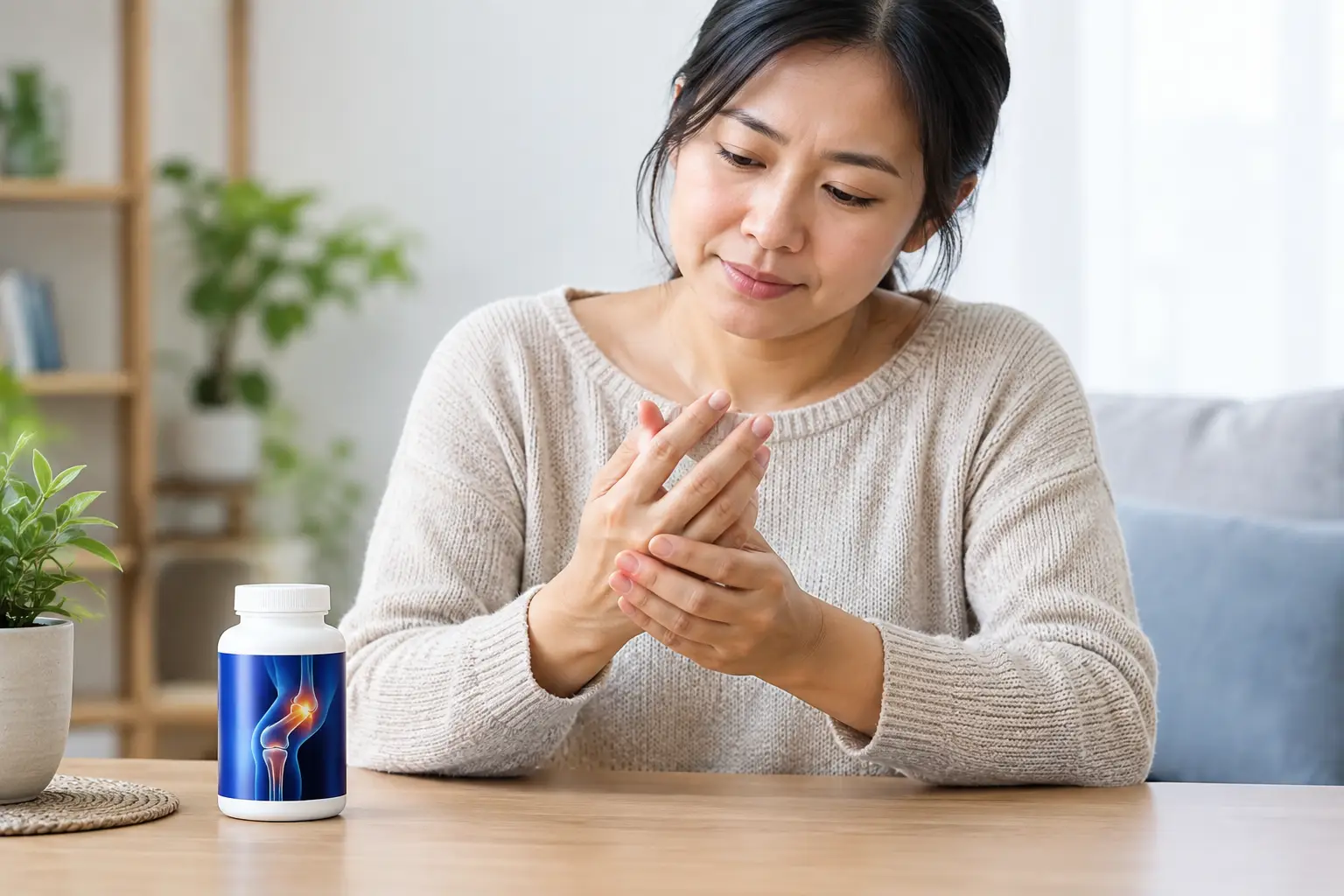
A ring that suddenly feels tight, a painful grip on a coffee mug, or fingers that refuse to bend comfortably in the morning can make everyday tasks feel much harder. If you are wondering how to ease swollen finger joints, the first goal is to reduce discomfort without overlooking a condition that needs medical attention. Swelling is not a diagnosis by itself. It is a signal that the joint, tendon, or surrounding tissue is irritated, inflamed, injured, or retaining fluid.
For many adults, especially after age 40, finger swelling comes and goes with osteoarthritis, overuse, or a minor strain. But a hot, red, rapidly worsening joint needs a different response. Knowing the difference can help you care for your hands wisely and protect long-term mobility.
Start by noticing the pattern of swelling
Before treating the swelling, look at when it started and how it behaves. Is one finger affected after gardening, lifting, exercise, or a fall? Does stiffness last less than 30 minutes after waking, or do several joints stay stiff for an hour or more? Is the swelling around the knuckle, the middle finger joint, or the joint nearest the nail?
Osteoarthritis often affects the finger joints nearest the nails and the middle joints. It may cause bony-looking bumps, aching after hand use, and stiffness that improves as you move. Inflammatory arthritis, including rheumatoid arthritis, more commonly affects several joints and may cause prolonged morning stiffness, warmth, and fatigue. Gout can cause sudden, intense pain and redness, although it is less common in fingers than in toes.
This pattern does not replace a medical assessment, but it gives your healthcare professional useful information. A simple note of your symptoms, triggers, and how long stiffness lasts can make the appointment more productive.
How to ease swollen finger joints at home
For mild swelling from overuse, early arthritis, or a minor strain, gentle care can often bring meaningful relief. The right approach depends on whether the joint feels hot and newly inflamed or mainly stiff and achy.
Use cold for new swelling and warmth for stiffness
A cold pack wrapped in a thin towel can help calm recent swelling and soreness. Apply it for 10 to 15 minutes at a time, then allow the skin to return to normal temperature before using it again. Never place ice directly on the skin, particularly if you have reduced sensation or circulation problems.
Warmth is often more useful when fingers feel stiff, especially in the morning. Try a warm shower, a warm compress, or soaking your hands in comfortably warm water for five to 10 minutes. Heat should feel soothing, not hot enough to redden or burn the skin. If a joint is visibly hot, red, or throbbing, use cold instead and seek advice if symptoms are severe.
Rest the joint without stopping all movement
A swollen finger may need a break from repetitive gripping, twisting lids, carrying heavy bags, or long periods of typing on a phone. Temporary rest reduces aggravation, but complete immobility for days can make stiffness worse.
Aim for relative rest. Change the task, use a larger-handled utensil, ask for help with heavy lifting, or take short hand breaks. For caregivers, this may mean using two hands to support a parent during transfers and avoiding tight gripping when opening medication bottles or food containers.
Keep fingers moving gently
Once sharp pain settles, slow movement helps maintain circulation and range of motion. After warming your hands, gently open and close the hand several times. Touch the tip of your thumb to each fingertip, then slowly straighten your fingers. Stop if you feel sharp pain, catching, or a clear increase in swelling.
Avoid forcefully stretching a swollen joint or repeatedly cracking the fingers in an attempt to release stiffness. Gentle, regular movement is more helpful than pushing through pain.
Elevate if your fingers look puffy
If swelling is worse at the end of the day, hold your hand above heart level for short periods. Resting your arm on pillows while seated or lying down may help fluid drain from the hand. Remove rings early if your fingers are swelling. A ring can become trapped as swelling increases and may need urgent removal.
Consider pain relief carefully
Some people use acetaminophen for short-term pain relief. Others use anti-inflammatory medicines such as ibuprofen or naproxen. These medications can be appropriate for some adults, but they are not suitable for everyone.
Anti-inflammatory medicines can raise the risk of stomach bleeding, kidney problems, fluid retention, and interactions with blood thinners or certain blood pressure medicines. This matters particularly for older adults and people with kidney disease, heart disease, ulcers, or uncontrolled high blood pressure. Topical anti-inflammatory gels may have fewer whole-body effects, but they still deserve a pharmacist’s or clinician’s advice.
Do not assume that natural means risk-free either. Supplements and herbal products can interact with medications, including blood thinners and diabetes treatments. A quality-focused approach means checking the ingredients, dose, and your individual health situation before starting anything new.
Look beyond the fingers: daily habits can matter
Finger joints often cope better when the whole body is supported. Staying physically active within your comfort level helps maintain muscle strength and joint function. A balanced eating pattern centered on vegetables, fruit, beans, fish, nuts, and minimally processed foods can support general health and a healthy weight. While no single food can cure arthritis, reducing highly processed foods may help some people feel better overall.
For people with diabetes, keeping blood sugar well managed is also valuable because high blood sugar can affect inflammation, nerves, and healing. If you smoke, getting support to quit can benefit circulation and joint health.
Pay attention to repeated hand strain. A phone held tightly for long periods, poorly positioned computer equipment, hobbies that require pinching, and frequent heavy lifting can all aggravate painful joints. Small changes, such as using voice-to-text, ergonomic tools, or larger grips, can reduce daily stress on the fingers.
When swollen finger joints need urgent care
Do not try to manage every swollen joint at home. A joint infection can become serious quickly, and prompt treatment is essential. Seek urgent medical care if you have any of the following:
- A finger joint that is red, hot, severely painful, or rapidly becoming more swollen
- Fever, chills, feeling unwell, or a red streak spreading from the hand
- Swelling after a bite, puncture wound, or cut near a joint
- A finger that looks crooked, numb, blue, pale, or cannot be moved after an injury
- A ring that cannot be removed from an increasingly swollen finger
Arrange a non-urgent medical review if swelling keeps returning, lasts more than one to two weeks, affects several joints, or comes with long-lasting morning stiffness, unexplained fatigue, rash, or weight loss. Early assessment is especially worthwhile if you have a family history of rheumatoid arthritis, psoriasis, gout, or autoimmune disease.
Getting a clear diagnosis protects your mobility
Your clinician may examine the joints, ask about your medical history, and order blood tests or imaging if needed. The aim is not simply to label the pain. It is to identify whether the cause is wear-and-tear arthritis, inflammatory arthritis, tendon irritation, gout, infection, injury, or another condition.
That distinction matters. Osteoarthritis care may focus on hand exercises, activity adjustments, topical treatment, and pain control. Inflammatory arthritis may require prescription treatment to control inflammation and prevent joint damage. The earlier it is recognized, the more options there may be for preserving comfortable movement and independence.
If your fingers are becoming a daily source of discomfort, speak with your healthcare professional rather than accepting pain as an inevitable part of aging. For those looking for additional support alongside a clinician-led plan, you can also learn more about Jointplex Pro and whether its carefully selected joint-support ingredients may be appropriate for your needs.


