
Subtotal: MYR0.00
How to Protect Joints While Exercising Safely
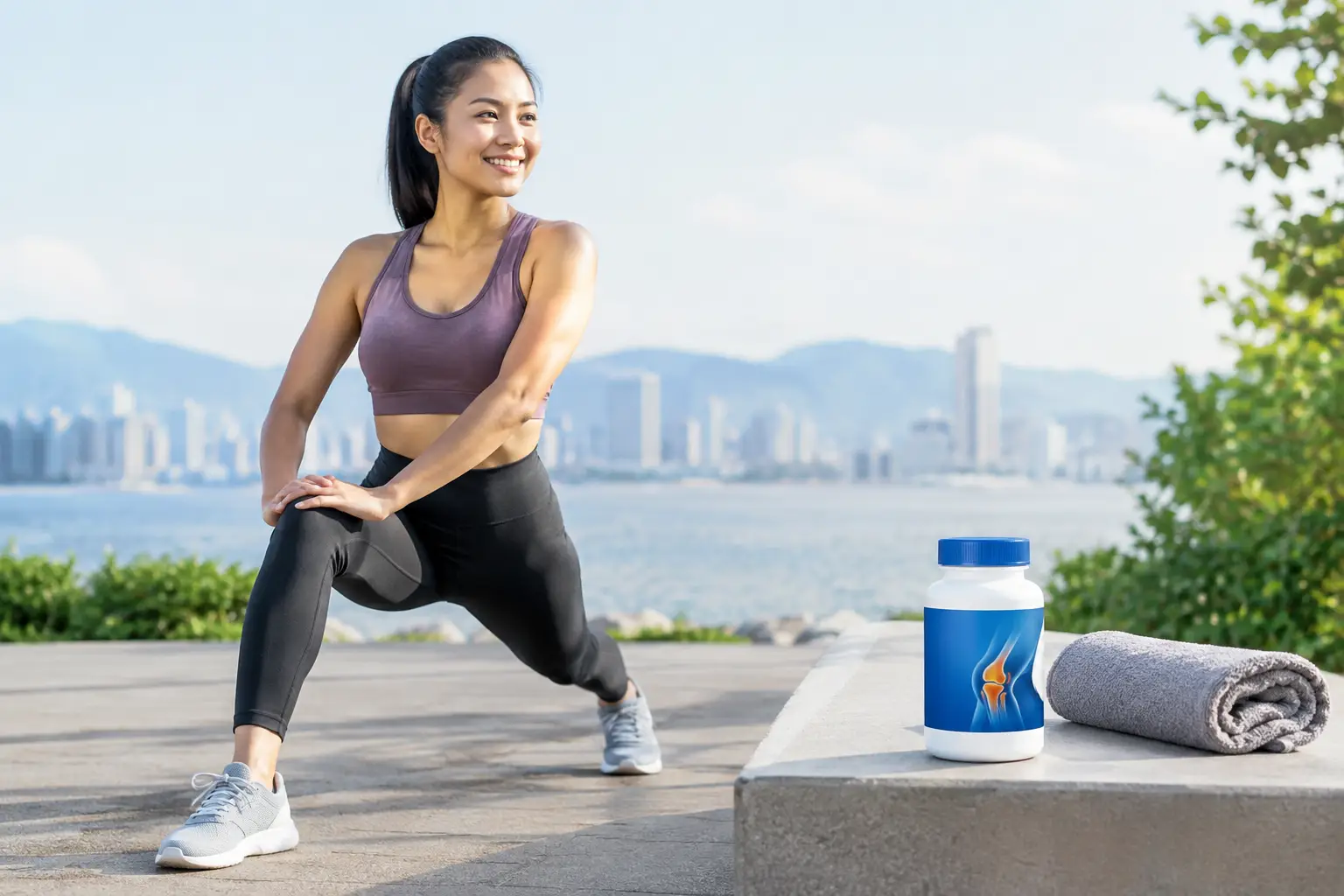
A walk that becomes painful halfway through, sore knees after a fitness class, or stiff fingers following light weights can make exercise feel discouraging. Yet for most people, the right movement is part of the answer. Learning how to protect joints while exercising helps you stay active, build confidence in daily movement, and avoid the cycle of doing too much, hurting, then stopping completely.
Your joints are not fragile, but they do respond to load. Muscles, tendons, cartilage, and the tissues around a joint need time to adapt. This matters especially after age 40, when arthritis, old injuries, reduced muscle strength, and longer recovery times can make discomfort more noticeable.
Start with the right kind of movement
Low-impact exercise is often the most joint-friendly starting point. Walking on even ground, cycling, swimming, water aerobics, tai chi, and elliptical training can raise your heart rate and strengthen muscles without repeated hard impact on the hips, knees, and ankles.
This does not mean running, hiking, tennis, or strength training are automatically off limits. The best activity depends on your diagnosis, fitness level, body weight, previous injuries, and which joints are affected. Someone with well-managed knee arthritis may tolerate a gradual walking program very well, while someone with a painful swollen knee may need cycling or pool exercise first.
Choose an activity you can repeat consistently. A gentle routine done three or four times a week is usually more useful than one intense session that leaves you unable to move comfortably for several days.
Warm up before asking more of your joints
A warm-up is not wasted time. It prepares muscles and joints for the work ahead by increasing blood flow and taking the body through easy, controlled movement.
Spend five to 10 minutes moving at a comfortable pace before exercise. If you plan to walk briskly, begin with an easy walk. Before strength training, try slow shoulder circles, ankle movements, gentle bodyweight squats to a chair, or marching in place. For stiff joints, warmth from a shower or warm compress before activity may also feel soothing.
Save long, held stretches for after your workout or another quiet time of day. Before exercise, gentle moving stretches are generally more helpful than forcing a tight muscle into a deep position.
Build strength to protect the joint
Strong muscles reduce the stress that reaches a joint. For example, stronger thigh and hip muscles can improve knee control when you rise from a chair, use stairs, or walk downhill. Stronger upper-back and shoulder muscles can make reaching and lifting easier.
You do not need heavy weights to benefit. Resistance bands, light dumbbells, machines, water resistance, and bodyweight movements can all work. Start with a load that allows smooth, controlled repetitions without holding your breath or changing your posture to “get through” the movement.
Focus on form before adding weight. When doing a squat, for instance, keep the knees aligned in the same direction as the toes and lower only as far as you can control comfortably. A chair behind you can provide a useful target and reassurance. If a movement consistently hurts, adjust the range, reduce resistance, or ask a physical therapist or qualified trainer for guidance.
Progress slowly, even when you feel good
One of the most common reasons for exercise-related joint flare-ups is a sudden jump in volume. You may feel motivated after a good day and double your walking distance, add hills, or return to the gym at your old level. Your cardiovascular fitness can improve faster than your joints and tendons adapt.
Increase one variable at a time: duration, intensity, resistance, speed, or frequency. A small weekly increase is usually sensible. If you are returning after a break, begin below what you think you can manage. Ending a session with energy left is a good sign.
Mild muscle tiredness after a new workout is normal. Sharp pain, joint swelling, catching, giving way, or pain that changes how you walk is not something to push through. If discomfort is more than mild, lasts beyond 24 hours, or is worse the following morning, reduce the next session and consider professional advice.
Use pain as information, not a challenge
People with osteoarthritis often worry that pain during movement means they are causing damage. That is not always true. Stiff, arthritic joints can feel uncomfortable when starting activity, then ease as the joint warms up. However, pain still deserves attention.
A practical guide is to keep exercise discomfort mild and manageable. It should settle soon after activity and should not lead to increased swelling, limping, or a lasting loss of function. If your knee is sore after a walk but feels normal later that day, your current level may be reasonable. If it swells and remains painful for two days, the session was probably too demanding.
Do not rely on pain medicine simply to exercise through a significant problem. Medicines such as NSAIDs may be appropriate for some people, but regular or long-term use can carry risks, including stomach, kidney, blood pressure, and heart concerns. Discuss the safest approach with your clinician, particularly if you have other health conditions or take prescription medicines.
Support your body with simple practical choices
The right footwear can make a real difference, particularly for walking and standing exercise. Choose shoes that fit well, feel stable, and suit the activity. Worn-out shoes, unstable sandals, or footwear with poor grip can increase strain and fall risk. There is no single “best” shoe for every person, so comfort and function matter more than marketing claims.
Exercise surfaces matter too. A flat park path, treadmill, or indoor track may be kinder to irritated joints than uneven ground or repeated stair climbing. If you enjoy hiking, shorten the route, use supportive footwear, and consider walking poles for added balance and reduced load on descents.
Recovery also supports healthy movement. Aim for regular sleep, drink enough water, and include rest days when beginning a new program. If excess body weight is contributing to knee, hip, or foot discomfort, gradual weight management can reduce joint load. This should be approached with compassion, not blame. Even modest changes in activity, eating habits, and strength can improve comfort and mobility over time.
How to protect joints while exercising with arthritis
Arthritis does not mean you should stop moving. In fact, carefully chosen exercise can help maintain joint range of motion, muscle strength, balance, and independence. The goal is not to ignore symptoms. It is to find a level of movement that supports your body without repeatedly aggravating it.
On a day when joints feel stiff but not swollen, begin more slowly and allow extra warm-up time. Choose lower-impact options and shorten the session if needed. On a flare day with visible swelling, warmth, or stronger pain, rest the affected joint from demanding exercise and choose a different activity if comfortable. For example, if your knee is flaring, gentle upper-body exercise or seated mobility work may be more suitable.
Seek medical assessment before starting or changing exercise if you have a recent injury, unexplained joint swelling, a hot or red joint, fever, numbness, chest pain, severe pain at rest, or a joint that locks or repeatedly gives way. These symptoms need more than a workout adjustment.
Make movement a long-term form of joint care
The safest routine is one you can maintain. Mix activities across the week: cardiovascular exercise for heart health, strength training for joint support, and balance or flexibility work for confident movement. This variety reduces repetitive strain and makes exercise less monotonous.
If you are caring for a parent, encourage progress without pressure. Offer to join a short walk, set up a stable chair for exercises, or help them keep track of what causes symptoms to improve or worsen. Small gains, such as walking to the market more comfortably or climbing stairs with less hesitation, are meaningful.
For personalized advice, speak with your healthcare professional, especially if pain is recurring or limiting daily activities. If you are looking for additional support alongside sensible exercise and medical guidance, learn more about Jointplex Pro, a carefully formulated option for joint comfort, inflammation support, and mobility.


