
Subtotal: SGD$0.00
Senior Mobility Support Guide That Helps
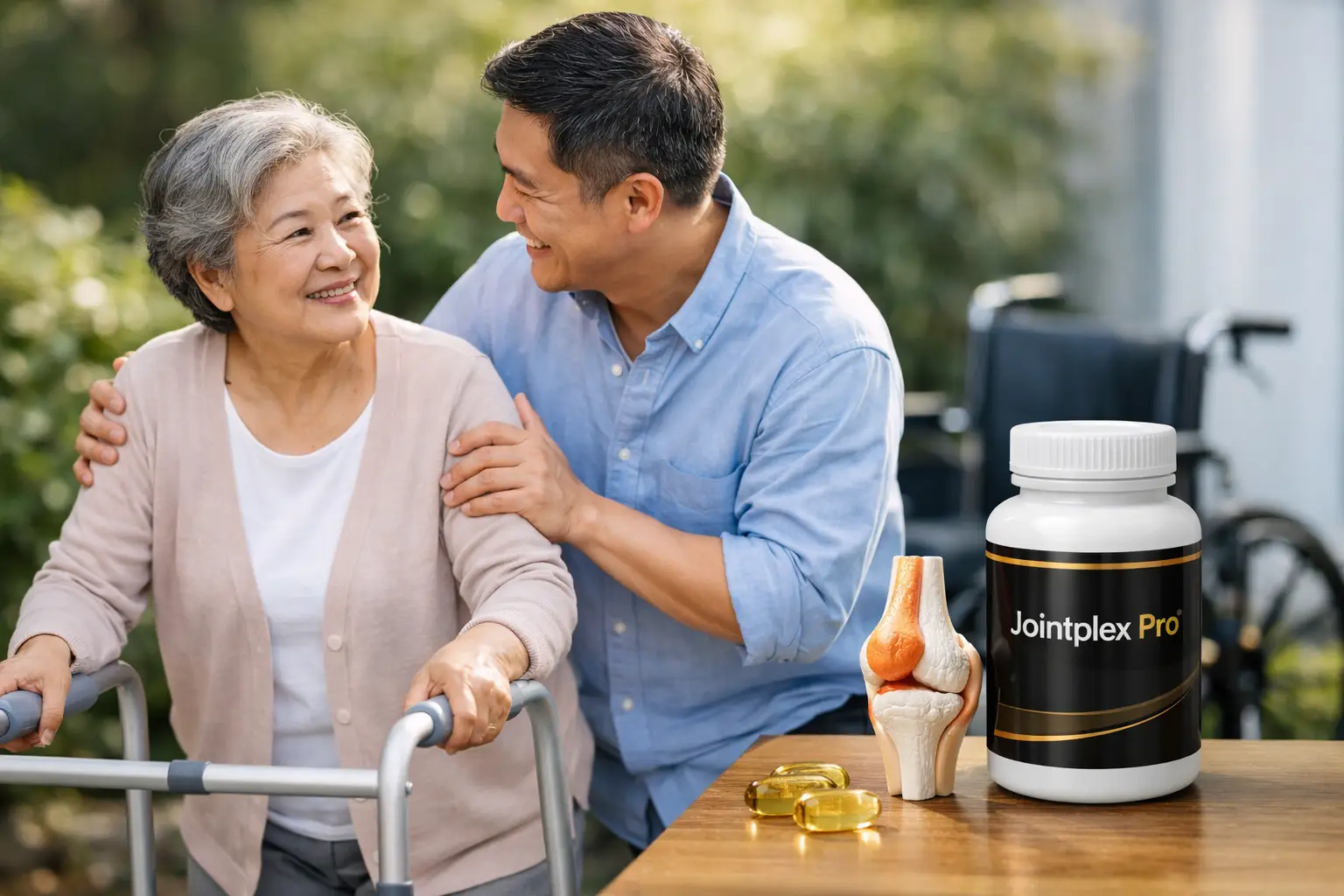
The moment an older parent starts using the wall for balance, taking stairs one at a time, or skipping outings they used to enjoy, mobility is no longer an abstract health topic. It is a daily quality-of-life issue. This senior mobility support guide is built for adults who want to stay independent longer and for family members trying to help without overstepping, overspending, or relying only on short-term pain relief.
Mobility changes rarely happen all at once. More often, they show up as stiffness in the morning, slower transitions from sitting to standing, hesitation on uneven ground, or a growing fear of falling. Those small shifts matter because they can gradually shrink a person’s world. The goal is not simply to reduce discomfort. It is to protect confidence, function, and freedom in everyday life.
What mobility support really means
A good mobility plan is not just about a cane, a brace, or a pill bottle. Real support comes from addressing several moving parts at once – joint comfort, muscle strength, balance, home safety, energy, and inflammation. When one area is ignored, the others often suffer.
For example, a senior with knee stiffness may move less because walking hurts. Less movement can weaken leg muscles. Weaker muscles can make balance worse. Poor balance raises fall risk, which then creates more fear and even less movement. That cycle is common, and it is one reason quick fixes often disappoint.
This is also where families can make mistakes. It is easy to focus only on what looks urgent, such as buying a walker after a near fall. Sometimes that is necessary. But in many cases, the bigger win comes from combining immediate support with long-term joint and mobility care.
A senior mobility support guide for everyday life
The right starting point depends on what is driving the problem. If mobility loss is sudden, severe, or tied to dizziness, numbness, injury, confusion, or significant swelling, medical evaluation comes first. If the issue is more gradual – stiffness, arthritic discomfort, reduced endurance, slower walking, or trouble with stairs – a broader support strategy often helps.
Start by paying attention to patterns. Is movement hardest first thing in the morning, after sitting, or later in the day? Is the problem mostly pain, weakness, instability, or fear of falling? Does one joint seem to be the main issue, or is the person generally slowing down? These details matter because the best support for inflamed joints is not always the same as the best support for poor balance or muscle deconditioning.
In practical terms, many seniors do better when movement is broken into smaller, repeatable efforts. A long walk may feel overwhelming, but several short walks through the day can maintain circulation, preserve confidence, and reduce stiffness without causing the same level of strain. Chairs with supportive arms, stable footwear, better lighting, and grab points in key areas can also remove friction from daily movement.
Why joint health is often the missing piece
One of the most overlooked truths in mobility care is that people do not stop moving only because of age. They often stop moving because movement becomes uncomfortable. Joint pain, inflammation, and stiffness can quietly limit how often someone bends, climbs, turns, carries, or stands for long periods.
That is why supporting joint health can be a meaningful part of a mobility plan. For many adults, especially those dealing with age-related wear, arthritis, or recurring stiffness, reducing inflammation and improving joint comfort may help them stay more active. And staying more active is what protects mobility over time.
There is a trade-off here. Supplements are not an overnight answer, and they should not be treated like emergency pain relief. Their role is typically supportive and cumulative. The value is often in helping the body manage long-term joint stress more effectively, especially when the formulation is carefully selected and built around evidence-informed ingredients rather than generic label claims.
A selective, clinically oriented supplement approach can make more sense than buying random products from a crowded marketplace. Many people waste money on formulas that are underdosed, poorly combined, or designed to sound impressive rather than deliver consistent support. For seniors and caregivers, quality control matters because the goal is not to try everything. It is to choose fewer, better options with a clear purpose.
Daily habits that protect mobility
Mobility is shaped by routine more than intensity. Gentle consistency usually beats occasional effort. The seniors who hold onto independence longest are often not doing extreme exercise. They are simply avoiding long periods of immobility, protecting their joints, and keeping basic movement patterns active.
Chair rises are a good example. Standing up from a firm chair several times, with proper support if needed, helps maintain leg strength and confidence in transitions. Short hallway walks, light stretching after warm showers, and slow ankle and hip movements during sedentary periods can all contribute to better function. If a person is already unsteady, safety comes first, and supervised activity may be more appropriate.
Weight also plays a role, especially for knees, hips, and the lower back. Even modest weight reduction can lessen joint stress. That said, older adults should not chase aggressive dieting if it leads to muscle loss or lower energy. Mobility support works best when nutrition supports strength, recovery, and inflammation balance.
Hydration deserves more attention than it gets. Seniors often drink less than they should, and dehydration can worsen fatigue, weakness, dizziness, and muscle cramps. Those symptoms may look like mobility decline when part of the problem is actually poor fluid intake.
When support tools help – and when they are not enough
Canes, walkers, braces, and compression supports can be useful, but they work best when matched to the real problem. A cane may help offload one painful side. A walker may improve confidence and reduce fall risk. A knee support may add stability during certain activities. These tools are not failures. Often, they are smart adaptations.
Still, they are only part of the picture. If someone depends on a device but never addresses pain, inflammation, weakness, or home hazards, progress may stall. It is also possible to use the wrong tool or use a good tool incorrectly, which can create new strain in the shoulders, wrists, or back.
The same principle applies to pain relief. Short-term symptom control has a place, but relying only on temporary relief can mask the need for deeper support. Many families are understandably looking for safer long-term strategies that support function rather than forcing the body through pain. That is where a well-chosen joint support formula may fit naturally into a broader plan.
How caregivers can help without taking over
Mobility support can become emotionally loaded very quickly. Many seniors hear help as a threat to independence. The most effective approach is usually collaborative rather than corrective. Instead of saying, “You can’t do that anymore,” it often works better to say, “What would make that easier and safer?”
Caregivers should watch for practical warning signs. Missed steps, furniture-walking, avoiding showers, trouble getting out of bed, or cutting back on normal errands can all signal declining mobility. So can irritability around movement. Sometimes the complaint is not “my knees hurt” but “I’m just tired” or “I don’t feel like going.”
Support also means reducing decision fatigue. Older adults can feel overwhelmed by too many products and conflicting claims. A guided, curated approach is often more reassuring than handing them ten supplement bottles and hoping one works. That philosophy matters. At TSC Health The Supplement Clinic, the focus is on selective product screening and individualized guidance because mobility support should feel thoughtful, not random.
Building a realistic plan that lasts
The best senior mobility support guide is one that can actually be followed. A perfect plan that is too expensive, too complicated, or too demanding will usually fail. A realistic plan often includes safer movement at home, manageable daily activity, targeted joint support, and regular reassessment of what is helping and what is not.
If a supplement is part of the plan, give it enough time to show whether it is providing real benefit. If movement is part of the plan, start at a level that feels possible, not idealized. If equipment is needed, choose what improves confidence without creating dependence where it is not necessary.
Most of all, remember that mobility support is not about asking an older adult to act younger. It is about helping them move with less discomfort, less fear, and more control in the life they want to keep living.
A good day for someone with stiff joints is not a small thing. It can mean making breakfast without bracing on the counter, walking to the mailbox without worry, or saying yes to a family outing instead of staying home. That is the kind of progress worth protecting.


