
Subtotal: SGD$0.00
Best Curcumin for Joint Support
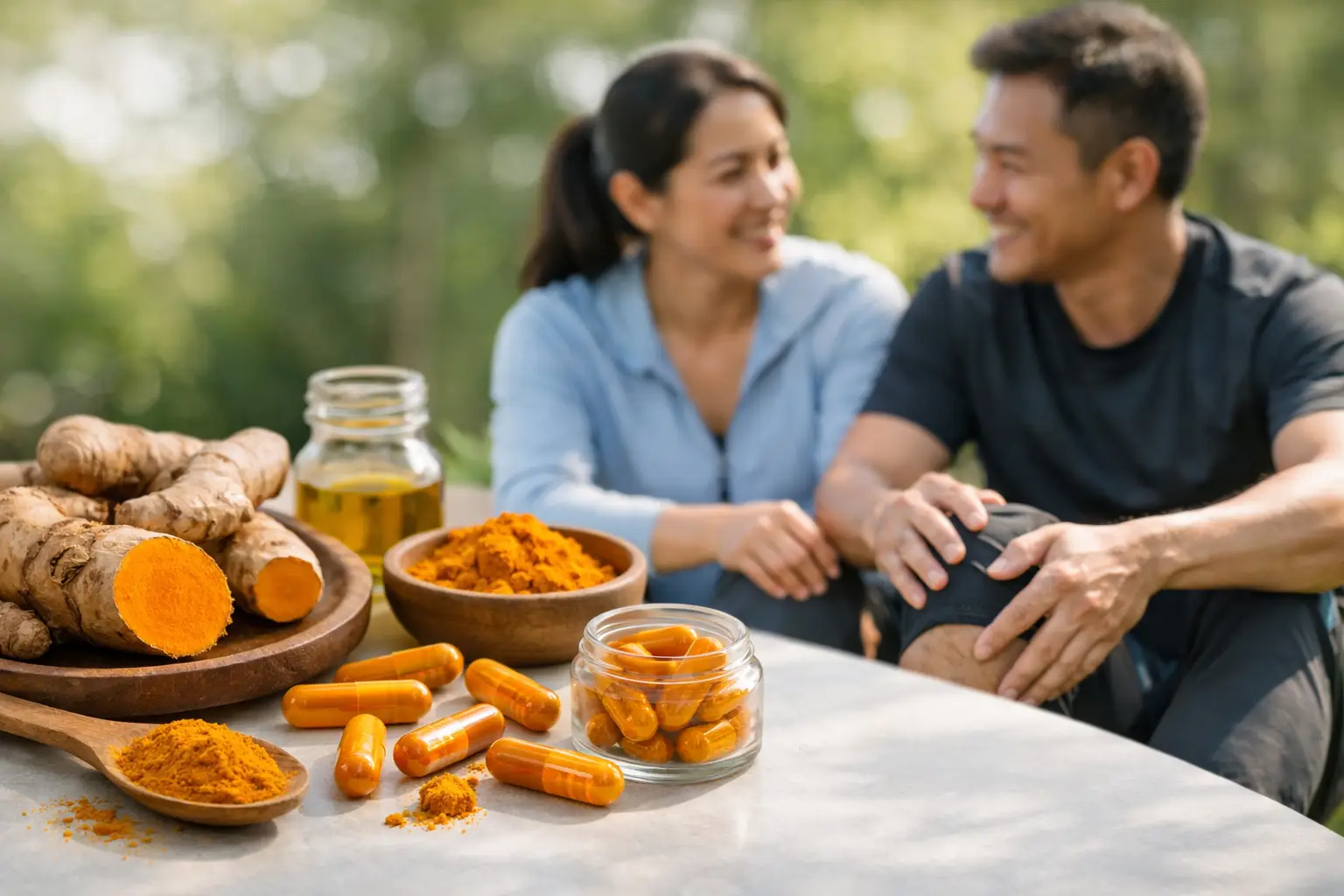
If you are searching for the best curcumin for joint support, you are probably not looking for a trendy wellness ingredient. You are looking for relief that feels meaningful when you get out of bed, climb stairs, exercise, or help a parent through the day without every movement turning into a reminder of joint pain.
That is where curcumin deserves a closer look. Curcumin is the best-studied active compound in turmeric, and its value is not that it simply sounds natural. Its value is that, when formulated properly, it may help support a healthier inflammatory response, reduce stiffness, and improve day-to-day comfort in people dealing with arthritis, overuse, or age-related wear and tear. The key phrase there is formulated properly. Not every curcumin supplement is built to do the same job.
What makes the best curcumin for joint support?
The biggest mistake shoppers make is assuming all turmeric products are equal. They are not. A basic turmeric powder capsule may look appealing on the label, but for joint support, the question is not whether turmeric is present. The question is whether enough usable curcumin can actually get into the body to matter.
Curcumin has a well-known problem with absorption. On its own, it is not easily taken up by the body, which means a product can list a respectable amount on the bottle while still delivering disappointing real-world results. This is one reason many people say they tried turmeric and felt nothing. Often, they did not try a serious curcumin formula. They tried a weak one.
The best curcumin for joint support usually includes an absorption strategy. That may be black pepper extract, often listed as piperine, or a more advanced delivery system such as a phytosome, micellar format, or other clinically developed technology. These approaches are not marketing extras. They are central to whether the ingredient performs.
Concentration also matters. Turmeric root and curcumin extract are not the same thing. Turmeric root contains many compounds, but curcumin extracts are standardized to provide a more precise amount of active curcuminoids. For someone with regular stiffness or inflammatory joint discomfort, that distinction can make the difference between a general wellness supplement and a focused joint support formula.
Why curcumin works for joints
Joint discomfort often has more than one cause. For some people, it is osteoarthritis and the gradual breakdown that comes with age. For others, it is repetitive exercise strain, excess body weight, old injuries, or a chronic inflammatory pattern that makes joints feel swollen, hot, or tight. The reason curcumin continues to get attention is that it supports multiple pathways involved in inflammation.
That does not mean it works like a painkiller. It is not there to blunt symptoms for a few hours and then disappear. The better way to think about curcumin is as a long-term support ingredient. It may help calm inflammatory signaling, which can translate into easier movement, less morning stiffness, and better recovery after activity. For many adults, especially those who want to avoid leaning too heavily on daily NSAIDs, that kind of support is exactly the goal.
There is also an important trade-off to understand. Curcumin is not an instant fix. Some people notice changes within a couple of weeks, but many need consistent use over a month or more. If expectations are unrealistic, even a good formula may seem ineffective simply because it was not given enough time.
How to judge a curcumin supplement without getting misled
A good label should answer a few basic questions clearly. First, how much actual curcumin or curcuminoids are provided per serving? Second, what has been done to improve absorption? Third, is the formula built only around turmeric, or does it include other joint-supportive ingredients that make the product more complete?
This last point matters more than many people realize. Curcumin can be excellent on its own, but joint support is rarely a one-ingredient issue. Some people need help with inflammation and cartilage support. Others need support for flexibility, connective tissue, or exercise-related soreness. A well-designed joint formula often combines curcumin with complementary ingredients rather than expecting one compound to do everything.
That is one reason specialist retailers tend to be more selective. In a crowded market, there are simply too many products built around label appeal instead of clinical usefulness. Bright packaging and oversized claims are easy to find. A genuinely thoughtful formulation is harder to find.
Best curcumin for joint support versus basic turmeric
If your goal is occasional general wellness, a simple turmeric supplement may be enough. If your goal is dependable support for aching knees, hand stiffness, sore hips, or reduced mobility, basic turmeric is often not enough.
The best curcumin for joint support is usually a standardized extract with proven absorption support and a dose that reflects actual therapeutic intent. That does not always mean the highest number on the bottle wins. More is not automatically better if the product is poorly absorbed or lacks quality control. A moderate dose in a superior delivery format can outperform a larger dose in a weaker one.
It also helps to pay attention to what is not said. If a product does not explain its curcuminoid content, does not mention absorption, and leans heavily on generic turmeric language, it may be better suited to the wellness aisle than to someone trying to restore comfortable movement.
Who may benefit most from curcumin joint support
Curcumin is often a strong fit for adults who feel stiffness after sitting, soreness after walking, or reduced comfort during routine movement. It may also appeal to active people whose joints feel the cumulative effects of training, running, lifting, or repetitive motion. Caregivers shopping for aging parents often look for it because they want something natural, evidence-backed, and appropriate for long-term support.
Still, it depends on the person. Someone with severe joint degeneration may need a broader plan that includes physical therapy, weight management, medical treatment, or targeted nutrition. Curcumin can be valuable support, but it should be seen as part of joint care, not the entire answer.
It is also worth noting that curcumin is not suitable for everyone without review. People taking blood thinners, managing gallbladder issues, preparing for surgery, or using multiple medications should speak with a qualified healthcare professional before adding it. Responsible guidance matters, especially when the goal is long-term use.
What a premium joint formula should do
For joint support, a premium formula should do more than include curcumin because it is popular. It should be built around the real needs of people living with discomfort. That means supporting inflammation, movement, recovery, and daily function in a way that feels practical.
In a curated setting, that usually means products are screened for ingredient quality, sensible dosing, and formulation logic. TSC Health follows that boutique standard because customers dealing with arthritis, stiffness, or mobility decline do not need fifty average options. They need a small number of formulations that have been selected with care.
If you are comparing products, look for that same discipline. Does the formula seem designed by people who understand joint complaints, or by people who understand packaging? The difference becomes obvious once you know what to look for.
A realistic way to choose the right product
Start with your symptoms. If your main issue is inflammatory stiffness, curcumin may deserve a central role. If you also feel instability, cracking, exercise-related soreness, or age-related decline in joint resilience, a broader formulation may serve you better.
Then consider consistency. The best supplement is the one you can take regularly and tolerate well. A brilliant formula does not help if it upsets your stomach or requires a routine you will not maintain. This is why personalized guidance can be so useful, especially for people managing multiple health needs at once.
Finally, be selective about quality. Joint discomfort tends to push people into trial-and-error buying, and that often leads to cabinets full of half-used bottles. A better approach is to choose one well-formulated option, use it consistently, and evaluate changes in stiffness, recovery, and mobility over a reasonable period.
When people ask for the best curcumin for joint support, what they usually mean is this: what gives me the best chance of moving with less discomfort and more confidence? That answer starts with a clinically meaningful curcumin, but it ends with choosing a formula that respects your body, your symptoms, and the fact that better movement changes everyday life in very practical ways.


