
Subtotal: SGD$0.00
7 Natural Remedies for Stiff Knees
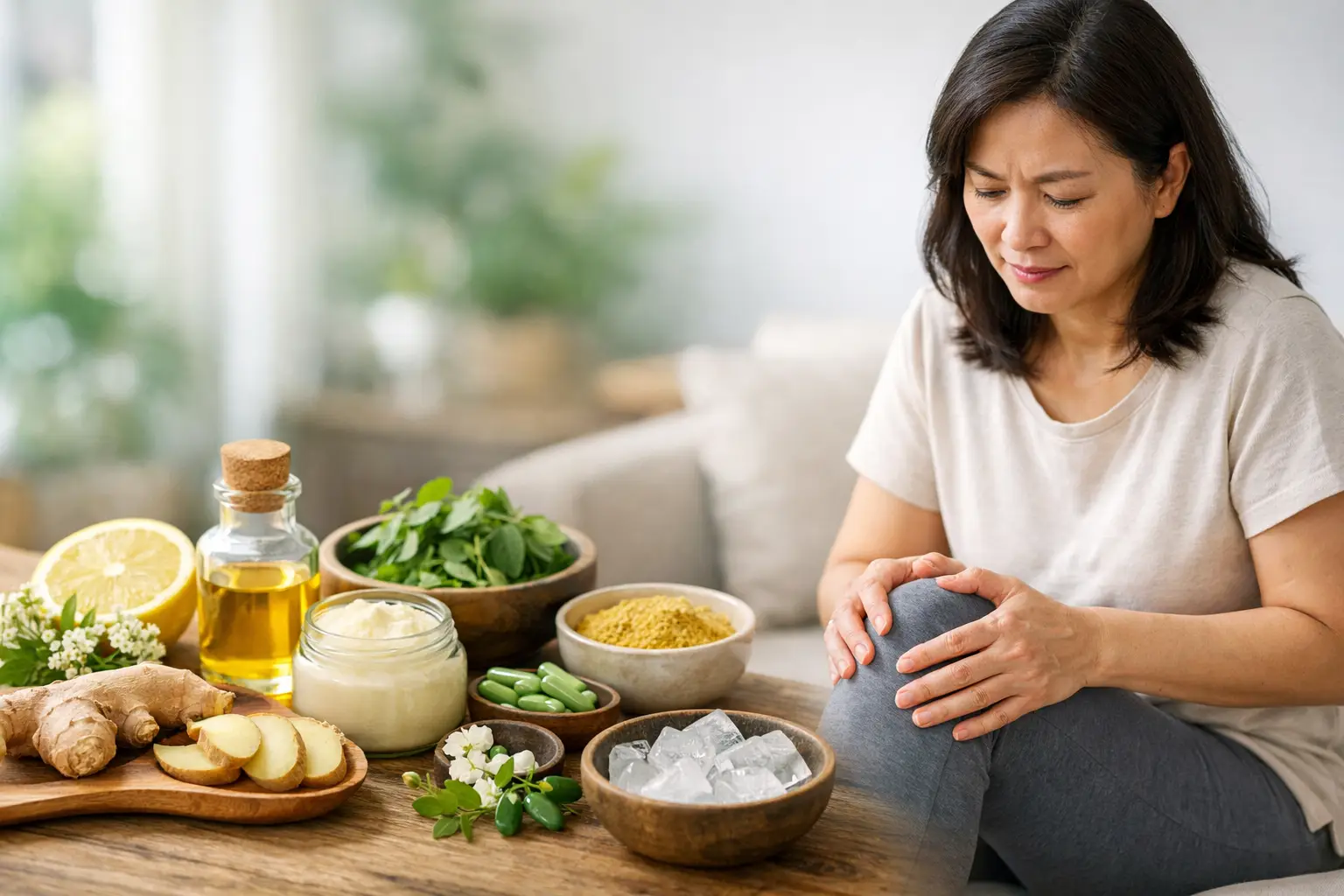
That first bend in the morning tells the truth. If your knees feel tight getting out of bed, sore after sitting, or stubborn on stairs, you are not imagining it. Natural remedies for stiff knees can help, especially when stiffness is tied to inflammation, overuse, age-related wear, or early joint degeneration rather than a sudden injury.
Knee stiffness is common, but the cause is not always the same. For some people, it shows up after a long walk or workout. For others, it is part of daily life with osteoarthritis, old injuries, excess body weight, or chronic inflammation. The right natural approach depends on why your knee feels stiff in the first place. That is why a thoughtful plan matters more than trying random supplements or home fixes.
Why knees get stiff in the first place
A stiff knee is usually a sign that something inside the joint is irritated, inflamed, weak, or not moving well. In many adults over 40, cartilage wear plays a role. As the cushioning in the joint changes over time, movement may feel rougher, tighter, or less comfortable. Mild swelling can also limit range of motion, even when the knee does not look obviously enlarged.
Muscle tightness matters too. If the quadriceps, hamstrings, calves, or hips are tight, the knee often takes the strain. That is one reason some people feel worse after sitting for long periods and then trying to stand quickly. The joint itself may not be the only problem.
There is also the inflammation piece. Repetitive activity, extra body weight, old sports injuries, and arthritis can all increase inflammatory stress in the knee. That does not always cause sharp pain. Sometimes it shows up first as stiffness, heaviness, or the sense that the knee needs time to loosen up.
Natural remedies for stiff knees that actually help
The most effective natural remedies usually work best together. One approach may calm inflammation, while another improves movement and another supports the joint over time.
Gentle movement beats complete rest
When knees feel stiff, many people instinctively stop moving. That makes sense during a flare-up, but too much rest often makes stiffness worse. Joint fluid circulates better with movement, and muscles around the knee stay more supportive when they are used regularly.
Walking on level ground, light cycling, and controlled stretching are often better choices than high-impact exercise. The goal is not to push through pain. It is to keep the joint moving without aggravating it. If your knee feels better after 5 to 10 minutes of easy movement, that is usually a sign you are in the right range.
If movement increases swelling or causes sharp pain, that is different. In that case, scaling back and getting the knee assessed is the safer move.
Heat for stiffness, cold for swelling
This is one of the simplest home strategies, but timing matters. Heat tends to help stiffness. A warm compress, heating pad, or warm shower before activity can relax the surrounding muscles and make the knee easier to bend.
Cold tends to help if the knee is puffy, irritated, or more painful after activity. An ice pack wrapped in cloth for 15 to 20 minutes can reduce post-activity inflammation. Many people use the wrong one at the wrong time and assume neither works. In reality, heat and cold do different jobs.
Targeted stretching and muscle support
A knee joint depends heavily on the muscles above and below it. Tight quads and hamstrings can increase pressure across the knee, while weak glutes and thighs can reduce stability. That combination often leads to stiffness that keeps returning.
Gentle stretching for the front and back of the thigh can help restore motion. Strengthening matters just as much. Simple sit-to-stands, straight-leg raises, and controlled step-ups can support the joint if done properly. The key is consistency, not intensity.
This is where trade-offs matter. Aggressive stretching can irritate an inflamed knee, while no strengthening at all leaves the joint under-supported. A moderate, repeatable routine is usually more effective than occasional hard sessions.
Anti-inflammatory foods can support the joint environment
Food will not rebuild cartilage overnight, but it can affect how much inflammatory stress your body carries day to day. Diets high in ultra-processed foods, excess sugar, and refined oils can make inflammation harder to control. On the other hand, a pattern that includes fatty fish, berries, leafy greens, olive oil, nuts, and spices like turmeric may support a healthier inflammatory response.
Hydration also matters more than people think. Stiff tissues tend to feel worse when the body is under-hydrated, especially in older adults. This is not a dramatic cure, but it is one of those low-risk basics that supports every other step.
Weight management can reduce daily knee load
For people carrying extra body weight, the knee often pays the price with every step. Even modest weight reduction can reduce mechanical stress on the joint and improve day-to-day comfort. This can be a sensitive subject, but it should be framed accurately. The goal is not appearance. It is reducing strain so the joint has a better chance to move comfortably.
Not every stiff knee is weight-related, and thin people get arthritis too. But when excess load is part of the picture, this is one of the most meaningful long-term natural interventions.
Natural joint supplements may help, but quality matters
This is where many consumers get frustrated. The supplement market is crowded with low-dose formulas, vague labels, and products built around marketing rather than meaningful support. For stiff knees, the most useful supplements are typically those designed to address inflammation, joint comfort, and mobility together.
Ingredients such as turmeric extract, boswellia, glucosamine, chondroitin, MSM, collagen, and hyaluronic acid are often discussed for joint support. But ingredient names alone are not enough. The form, dosage, and overall formulation matter. A weak blend may do very little, even if the label looks impressive.
It also depends on the person. Someone with stiffness driven mostly by inflammation may respond differently than someone with advanced cartilage loss or an old meniscus injury. That is why a selective, clinically oriented formula makes more sense than grabbing the cheapest bottle on a crowded shelf. At TSC Health, that standard of screening is central to how joint support should be chosen.
Sleep and recovery affect inflammation more than most people realize
Poor sleep can amplify pain sensitivity and make inflammation harder to regulate. If your knees feel especially stiff after restless nights, that pattern is worth noticing. Recovery is not passive. It is one of the body’s repair windows.
This matters for active adults too. Exercise-related stiffness is not always a sign that you should stop training. Sometimes it is a sign that your recovery habits are not keeping up with your activity level. Better sleep, planned recovery days, and less repetitive strain can make a real difference.
When natural remedies for stiff knees may not be enough
Natural care is useful, but it has limits. If knee stiffness follows a twist, fall, or sports injury, there may be structural damage involved. Locking, buckling, sudden swelling, inability to bear weight, or major loss of motion should not be brushed off.
The same goes for stiffness that keeps getting worse, wakes you at night, or comes with redness, heat, fever, or significant swelling. Those patterns may point to a more serious issue than routine overuse or age-related wear.
Even with arthritis, natural strategies often work best when started early. Waiting until the joint is severely limited usually means slower progress. Relief is still possible, but expectations need to be realistic.
Building a routine that is realistic enough to keep
The best plan is the one you can continue. A warm compress in the morning, a short walk after meals, a few gentle strengthening exercises, and a carefully selected joint formula is more realistic than a complicated routine that gets abandoned in a week.
It also helps to track patterns. Does your knee stiffen more after long car rides, cold weather, certain workouts, or poor sleep? Does morning heat help more than evening stretching? Those details make your routine smarter.
For caregivers helping a parent or spouse, simplicity matters even more. The routine should feel manageable, not overwhelming. Small improvements in getting up from a chair, climbing stairs, or walking through the grocery store often matter more than dramatic promises.
Stiff knees do not always need a dramatic fix. More often, they need steady support, less inflammation, better movement, and a higher standard of care than the average quick fix offers. When you choose natural strategies with some precision, the goal is not just less discomfort. It is getting back a little more ease in the movements that shape everyday life.


