
Subtotal: SGD$0.00
Natural Remedies for Arthritis Stiffness
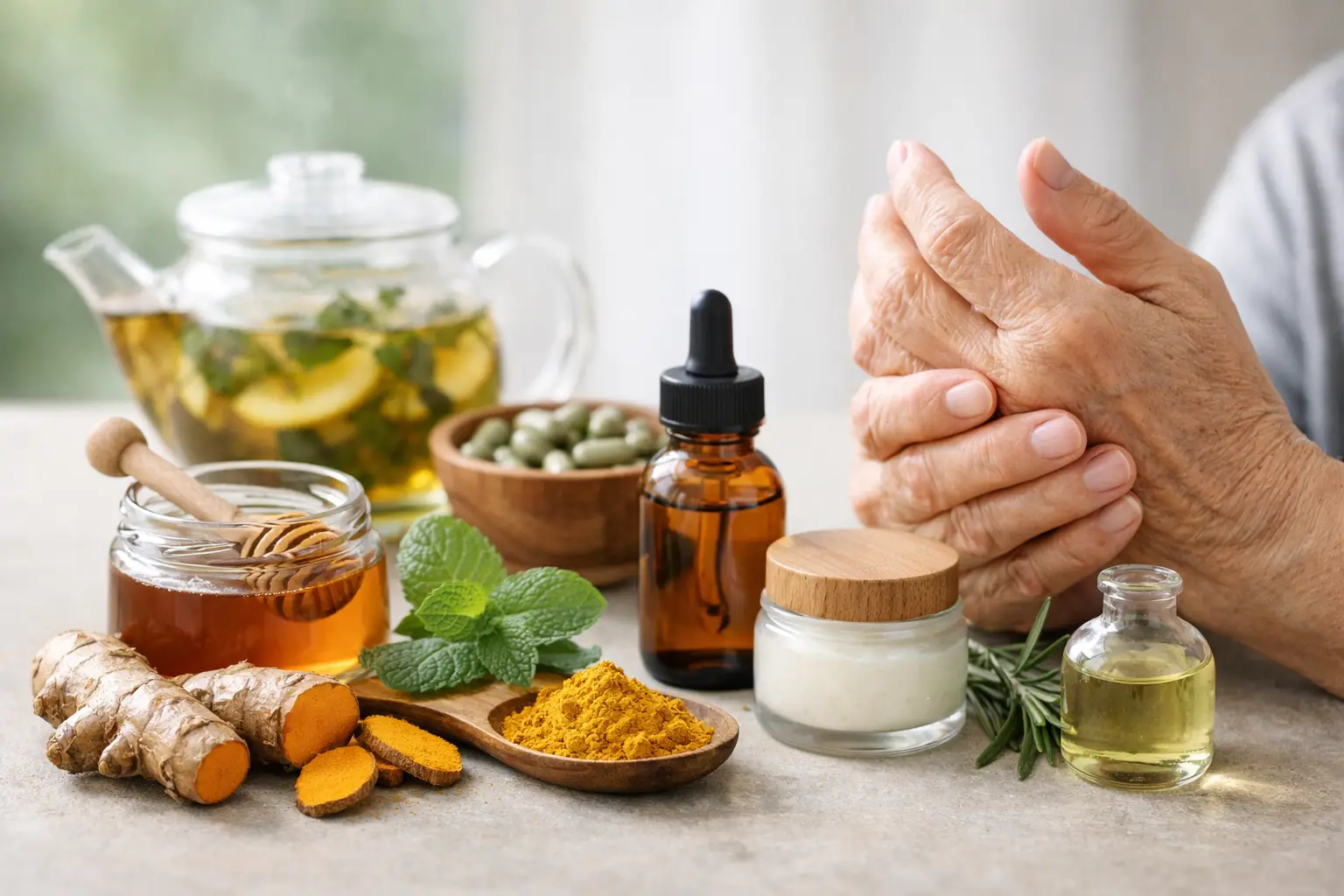
Mornings are often when arthritis speaks the loudest. You stand up, reach for the counter, and feel that familiar resistance in your knees, hands, hips, or back – not always sharp pain, but stiffness that slows everything down before the day even begins.
That is why so many people look for natural remedies for arthritis stiffness. They are not just trying to feel better for an hour. They want to move with less effort, rely less on frequent pain relievers, and protect their joints with a plan that makes sense for the long term.
Why arthritis stiffness happens in the first place
Stiffness is not random. With arthritis, the tissues around the joint can become inflamed, irritated, and less flexible. In osteoarthritis, the joint surfaces and surrounding structures gradually change over time. In inflammatory forms of arthritis, the immune system plays a larger role. In both cases, the result can be the same – joints that feel tight, reluctant, and harder to trust.
Periods of inactivity often make it worse. That is why getting out of bed, sitting too long, or riding in a car can leave joints feeling locked up. Some people assume rest is the answer, but too much rest can feed the cycle. The right kind of support usually comes from reducing inflammation while encouraging safe movement.
Natural remedies for arthritis stiffness that actually help
The most effective natural approach is rarely one single fix. It is usually a combination of small, consistent habits that reduce irritation and improve joint function over time.
Heat therapy for immediate relief
Heat is one of the simplest and most reliable tools for stiff joints. A warm shower in the morning, a heating pad on the knees, or a heated wrap on the lower back can help loosen tissues and improve circulation. Many people notice they move more easily after just 10 to 15 minutes.
Heat tends to work best for stiffness rather than obvious swelling. If a joint is hot, red, or visibly inflamed, cold may feel better in that moment. This is where personal response matters. Arthritis is not identical from one person to the next, and your body usually tells you which direction helps.
Gentle movement instead of complete rest
Stiff joints need motion, but not punishment. Walking, range-of-motion exercises, light stretching, and low-impact activity such as cycling or water exercise can reduce the heavy, stuck feeling that arthritis creates.
The goal is not to push through severe pain. It is to keep the joint from becoming more restricted. Short sessions often work better than long ones. Five to ten minutes done consistently can be more effective than one ambitious workout followed by two days of recovery.
Anti-inflammatory eating patterns
Food is not a cure for arthritis, but it can influence inflammation and how your body feels day to day. Many people do better when they reduce highly processed foods, excess sugar, and frequent fried meals while increasing vegetables, berries, olive oil, fatty fish, nuts, and other whole foods.
Weight also matters, especially for knee, hip, and lower back arthritis. Even a modest reduction in body weight can lower stress on weight-bearing joints. That does not mean every person with arthritis needs a strict diet. It means inflammation control and joint load are both part of the picture.
Topical natural support
Some people get meaningful relief from topical options such as menthol gels, capsaicin creams, magnesium-based lotions, or herbal balms. These do not rebuild cartilage, but they may reduce discomfort enough to make movement easier.
This is one of those areas where expectations should stay realistic. Topicals can be useful, especially for hands, knees, and shoulders, but they are often best viewed as part of a broader routine rather than the full answer.
The role of supplements in natural arthritis support
For many adults, supplements are where natural care becomes more targeted. The challenge is that the supplement market is crowded with underdosed formulas, generic blends, and products that make big promises with very little substance behind them.
A well-formulated joint supplement should aim to support inflammation balance, mobility, and joint comfort with ingredients that have a credible rationale behind them. Depending on the formula, that may include compounds such as turmeric extract, boswellia, glucosamine, chondroitin, MSM, collagen-supportive nutrients, or other plant-based anti-inflammatory ingredients.
What to look for in a quality formula
Not all natural products are created to the same standard. Ingredient choice matters, but so do dose, absorption, purity, and the logic of the formula itself. A long label is not automatically a better label. In many cases, a more selective formula built around clinically relevant ingredients is the smarter choice.
This is especially important for people who have been disappointed before. Many have tried random supplements from big marketplaces, only to feel no difference after weeks of use. That does not always mean supplements cannot help. Sometimes it means the product was poorly designed.
Why consistency matters more than quick results
Natural joint support usually works gradually. Some ingredients may help within days, especially when inflammation is part of the problem, but many people need several weeks of consistent use before judging whether a supplement is helping.
That slower pace can be frustrating, yet it reflects the difference between support and symptom masking. A stronger long-term strategy is often the one that gently improves how the joint feels and functions over time rather than producing a dramatic but short-lived effect.
Natural remedies for arthritis stiffness at home
Home care matters because stiffness is often shaped by daily routine. The right environment and habits can make your joints easier to manage.
Start with your mornings. Before moving too fast, use heat, do a few slow stretches, and give your joints time to wake up. If your hands are affected, opening and closing the fingers in warm water can help. If your knees or hips are the problem, a few minutes of supported marching in place or seated leg extensions can reduce that rusty feeling.
Pay attention to long periods of stillness during the day. Arthritis often punishes immobility. Getting up every 30 to 60 minutes, even briefly, can prevent joints from tightening. This is particularly useful for people who work at a desk or spend long stretches driving.
Sleep position can also influence morning stiffness. Supportive pillows, a stable mattress, and joint-friendly positioning may reduce overnight strain. It is not glamorous advice, but many people feel the difference.
When natural care needs a more personalized approach
There is a point where self-management should include expert input. If your stiffness is steadily worsening, lasts for long periods each morning, comes with major swelling, or starts interfering with basic tasks, it is worth getting evaluated. New or severe symptoms should not be brushed off as ordinary aging.
Natural care also needs to fit the person. Someone with mild knee stiffness after exercise may do well with movement, weight support, and a targeted supplement. Someone with inflammatory arthritis, multiple medications, or digestive sensitivity may need a more careful plan. That is where product quality and individualized guidance become especially important.
For people who want a more selective approach, TSC Health focuses on curated joint support rather than a warehouse of generic options. That matters when you are trying to choose something for daily use and do not want to waste time on low-grade formulas.
What realistic improvement looks like
The best natural remedies for arthritis stiffness are not about pretending arthritis is simple. They are about making daily life easier. Improvement may mean getting out of bed with less struggle, using the stairs with more confidence, walking longer before discomfort sets in, or finishing the day without feeling completely worn down by your joints.
That kind of progress counts. It restores independence, helps you stay active, and reduces the sense that stiffness is running your schedule. The right plan is usually steady, selective, and built around what your body responds to best.
If your joints have been asking for more support, start with the basics that lower inflammation and encourage gentle movement, then build from there with carefully chosen supplementation. Relief does not always arrive all at once, but with the right natural strategy, many people find their joints become far more manageable than they expected.


