
Subtotal: MYR0.00
I Cannot Climb Stairs Anymore – What to Do
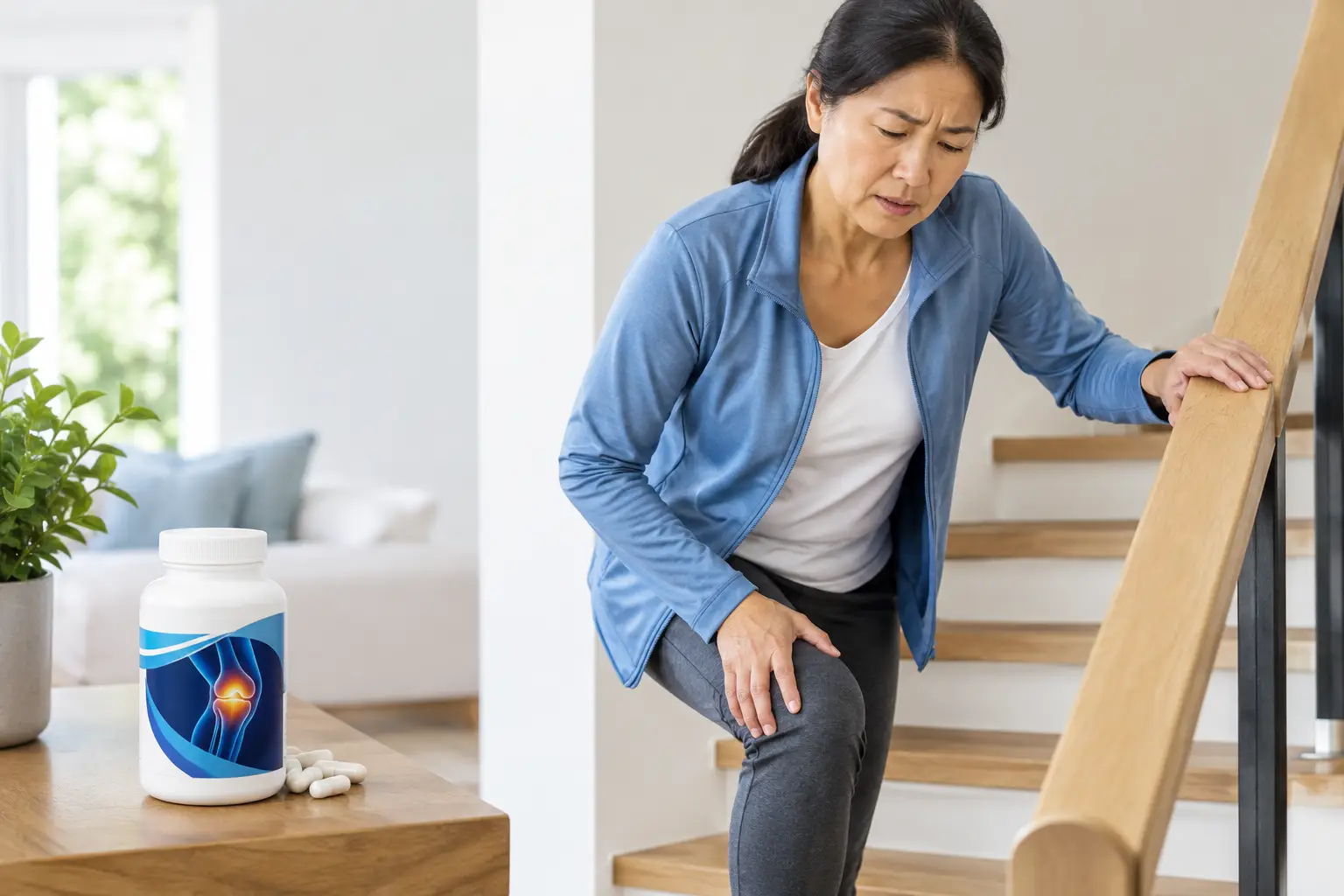
A flight of stairs can become a very clear measure of how your body is coping. When you think, “I cannot climb stairs anymore,” it may feel frustrating, frightening, or even embarrassing. You may start avoiding the upstairs bedroom, holding tightly to the railing, or asking someone else to carry things for you. These changes deserve attention, especially when they are new or getting worse.
Difficulty with stairs is not simply a normal part of getting older. It can happen for many reasons, from knee arthritis and muscle weakness to heart or lung problems. The right next step depends on what you feel, when it started, and whether other symptoms are present. Getting an accurate assessment can help protect your independence and reduce the risk of a fall.
Why stairs become difficult
Climbing stairs asks a lot from the body. Each step requires the hips, knees, ankles, thigh muscles, heart, lungs, and sense of balance to work together. Stairs are often harder than walking on flat ground because the knee bends more deeply and must carry several times your body weight as you push upward.
For many adults over 40, knee osteoarthritis is one common reason. This condition develops when the joint tissues change over time, causing pain, stiffness, swelling, or a grinding sensation. Pain may be strongest when rising from a chair, going down stairs, or after sitting for a long period. Hip arthritis can also make lifting the leg and pushing up each step painful.
Muscle weakness is another important cause. The quadriceps, the large muscles at the front of the thighs, help straighten the knee and control your descent. When these muscles lose strength because of inactivity, pain avoidance, illness, or age-related muscle loss, stairs can feel unexpectedly demanding. A person may describe their legs as shaky, heavy, or as though the knees might give way.
Sometimes the main issue is not the joints. Shortness of breath, chest pressure, palpitations, dizziness, or unusual fatigue on stairs can point to a heart, lung, blood, or circulation concern. Numbness, tingling, foot drop, or one-sided weakness may suggest a nerve or neurological problem. This is why it is unwise to assume every stair problem is “just arthritis.”
When “I cannot climb stairs anymore” needs urgent care
Seek urgent medical care if difficulty climbing stairs comes on suddenly, particularly if it is paired with chest pain, severe shortness of breath, fainting, new confusion, or sweating and nausea. These may be warning signs of a serious heart or lung problem.
Prompt assessment is also needed if one leg suddenly becomes weak or numb, your face droops, speech becomes unclear, or you lose balance without explanation. These can be signs of a stroke. A hot, red, very swollen joint, fever, or inability to put weight on the leg should also be evaluated quickly, as infection, gout, or an injury may be involved.
If there has been a fall, a twisting injury, or a sudden popping feeling in the knee, do not force yourself to keep using the stairs. A clinician can check for a fracture, tendon injury, or significant ligament damage.
Clues that can help identify the cause
Notice the pattern rather than focusing only on how severe the pain feels. Knee pain at the front or inside of the joint, stiffness after rest, and discomfort going down stairs often fit with arthritis or weakness around the knee. Pain in the groin, outer hip, or buttock may be coming from the hip joint.
If both legs feel generally weak and you struggle to rise from a chair, muscle deconditioning may be playing a role. This is common after a period of low activity, illness, hospitalization, or avoiding movement because of pain. It is usually treatable, but progress should be gradual and suited to your health status.
Breathlessness that seems out of proportion to the effort, swollen ankles, or fatigue during ordinary activities should be discussed with a healthcare professional. Similarly, burning pain, tingling, or weakness traveling from the lower back into the leg may be related to nerve irritation.
A doctor or physical therapist may assess your walking, balance, joint movement, muscle strength, medications, and overall health. Depending on your symptoms, testing may include blood work, imaging, or heart and lung evaluation. The goal is not merely to label the problem. It is to find a plan that helps you move safely and confidently again.
What you can do safely while waiting for an assessment
Do not push through sharp pain or instability. If stairs feel unsafe, reduce unnecessary trips and keep frequently used items on one floor where possible. Use the handrail every time, wear supportive shoes with a good grip, and make sure the staircase is well lit and free from loose rugs, clutter, or slippery surfaces.
Take one step at a time if needed. A useful short-term technique is to lead with the stronger or less painful leg when going up, then bring the other leg to the same step. When going down, lead with the more painful or weaker leg while holding the railing. This reduces some demand on the affected side, but it is not a substitute for medical care or rehabilitation.
If pain is mild and there are no warning symptoms, gentle movement is often better than complete rest. Short walks on level ground, seated leg straightening, and simple sit-to-stand practice may help maintain strength. However, the correct exercises depend on the cause of your symptoms. Someone with severe arthritis, poor balance, a recent injury, or heart symptoms should get individualized advice before starting an exercise program.
Cold packs can help after activity if a joint is swollen or warm. Heat may ease stiffness before gentle movement. Protect your skin by wrapping either option in a towel and limiting each session to about 15 to 20 minutes.
Supporting joints without relying only on painkillers
Pain medicines can have a place, but long-term use is not right for everyone. Anti-inflammatory medicines may irritate the stomach, raise blood pressure, affect kidney function, or interact with other medications. This is especially relevant for older adults and people taking blood thinners, blood pressure medicine, or diabetes treatment.
A well-rounded plan often includes targeted strengthening, weight management where appropriate, sleep, supportive footwear, and treatment for the underlying condition. Even a modest reduction in body weight can reduce the load through painful knee joints for some people. At the same time, rapid dieting or skipping protein can worsen muscle loss, so the approach should be sensible and sustainable.
Some people also consider a carefully selected joint supplement as part of their long-term mobility routine. Supplements should not be presented as a cure for arthritis or as a replacement for diagnosis, exercise, or prescribed treatment. Quality and ingredients matter, and natural products can still interact with medications or be unsuitable for certain medical conditions.
TSC Health takes a selective approach to joint support, focusing on clinically oriented formulations rather than a large catalog of generic options. Jointplex Pro is designed for adults seeking additional nutritional support for joint comfort, inflammation management, and mobility. The appropriate choice still depends on your personal health history, current medications, and the true cause of your stair difficulty.
Regaining confidence, one step at a time
The fear of falling can quickly shrink a person’s world. A parent who once moved freely around the home may stop visiting friends, avoid exercise, or hesitate to carry a grandchild. For caregivers, noticing stair avoidance early can open an important conversation before a fall happens.
Improvement is possible, but the timeline varies. If weakness is the main problem, consistent, guided strengthening can make a meaningful difference over weeks to months. If arthritis is contributing, the aim may be to reduce flare-ups, build support around the joint, and make daily activities more manageable. If a heart, lung, nerve, or medication issue is involved, treating that cause may be the priority.
You do not need to accept losing mobility as inevitable. Speak with your healthcare professional about new or worsening trouble with stairs, especially if pain, weakness, or breathlessness is limiting daily life. If you are looking for additional joint support alongside a clinician-guided plan, learn more about Jointplex Pro and whether it may fit your needs.


