
Subtotal: MYR0.00
My Mother Can Barely Walk: What to Do Next
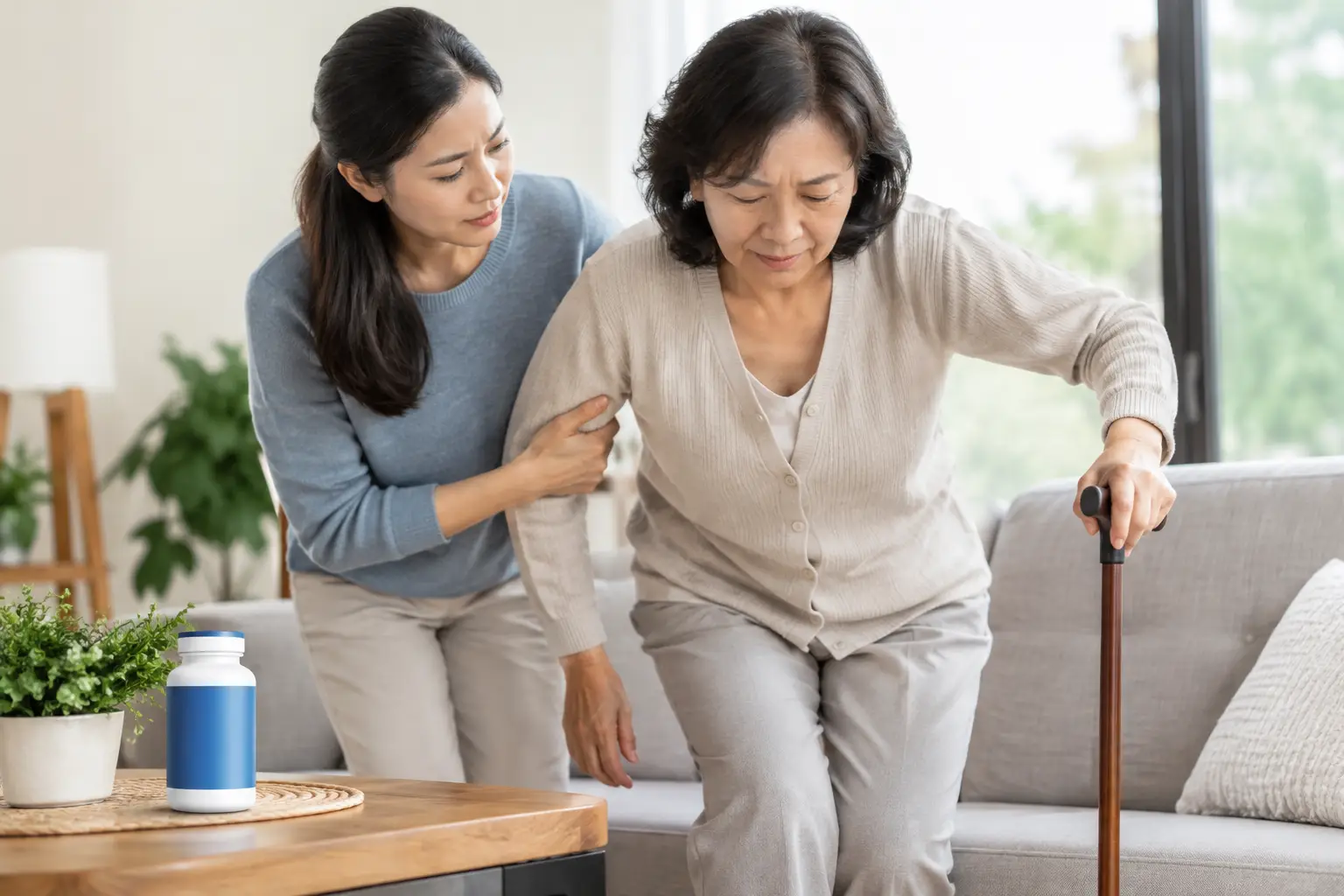
When someone says, “my mother can barely walk,” it is rarely just about walking. It may mean she is no longer confident getting to the bathroom alone, has stopped going out, or is hiding pain because she does not want to worry the family. A sudden or worsening loss of mobility deserves calm attention. The right next step depends on how quickly the problem appeared, where the pain is, and whether there are warning signs that need urgent medical care.
For many families, the goal is not simply to reduce pain for a day. It is to protect comfort, dignity, safety, and as much independence as possible.
When your mother can barely walk, check for urgent warning signs
Do not assume severe walking difficulty is “just old age” or arthritis. Seek emergency medical care immediately if her walking problem started suddenly, especially if she has weakness or numbness on one side of the body, a drooping face, trouble speaking, confusion, severe headache, or loss of balance. These can be signs of a stroke.
She also needs urgent assessment if she cannot put weight on a leg after a fall, has a visibly deformed hip or leg, severe back pain with new bladder or bowel control problems, fever with a hot and swollen joint, chest pain, shortness of breath, or a painful swollen calf. A hip fracture, joint infection, blood clot, or nerve compression can become serious quickly.
Even without these emergency signs, arrange a medical appointment soon if the change is new, rapidly worsening, or stopping her from managing daily activities. A clinician can look beyond the painful joint and check her nerves, circulation, medications, balance, and overall health.
Why walking can become so difficult
Pain and stiffness from osteoarthritis are common reasons older adults struggle to walk. Osteoarthritis happens when the tissues within and around a joint change over time. The knees, hips, lower back, and feet are frequent trouble spots. Pain may be worse after activity, while stiffness can be most noticeable after sitting, sleeping, or being still for a long period.
But arthritis is not the only explanation. Rheumatoid arthritis and gout can cause inflammation and swelling. Spinal stenosis, a narrowing around the nerves in the lower back, may lead to leg pain, heaviness, or weakness while walking. Peripheral neuropathy can create numbness or a burning feeling in the feet. Poor circulation, muscle loss, vision changes, and side effects from medicines can also affect stability.
Sometimes there is more than one cause. A mother with knee arthritis may move less because walking hurts. Over time, her thigh and hip muscles weaken, balance declines, and even a short walk feels harder. This cycle is common, but it is not something a family should simply accept without support.
Notice the pattern before the appointment
A few clear observations can help the healthcare professional understand what is happening. You do not need to diagnose the cause. Simply note when the problem began, whether it came on suddenly or gradually, and whether one side is worse.
Pay attention to where she feels discomfort. Hip pain may be felt in the groin, buttock, thigh, or even the knee. Knee arthritis often causes aching, stiffness, swelling, or pain on stairs. Pain shooting from the back down the leg can point to nerve irritation. Also note whether she has had a recent fall, illness, medication change, weight loss, fever, or reduced appetite.
It can be useful to write down what she can still do safely. Can she rise from a chair? Walk across one room? Climb a few stairs? Stand long enough to prepare food? These details show how mobility is affecting daily life, not just her pain score.
Make the home safer today
Until she has been assessed, reduce situations that can lead to a fall. Clear loose rugs, electrical cords, low furniture, and clutter from walking paths. Improve lighting in hallways, bedrooms, and the route to the bathroom. A night-light can make a meaningful difference when someone wakes up stiff or unsteady.
Encourage supportive, non-slip shoes rather than loose slippers. Keep commonly used items within easy reach so she does not need to stretch, climb, or carry heavy objects. If stairs are unavoidable, make sure handrails are secure and avoid rushing.
A cane or walker may help, but the fit and technique matter. A poorly adjusted aid can increase strain or create another tripping risk. A physical therapist can recommend the right device and teach her how to use it. This is often one of the most practical ways to restore confidence outside the home.
Do not let fear lead to complete inactivity
When every step hurts, resting seems like the safest choice. Short-term rest after a flare or injury may be sensible, but staying inactive for too long can worsen stiffness, reduce muscle strength, and make walking more difficult.
The better approach is usually gentle, appropriate movement after urgent causes have been ruled out. A doctor or physical therapist may recommend simple chair exercises, light strengthening, range-of-motion work, or short walks broken into manageable intervals. Water exercise can be easier on painful joints for some people, while others do better with supervised balance training.
The right activity depends on the cause. Someone with severe hip pain after a fall should not push through it. Someone with long-standing knee osteoarthritis may benefit from gradual strengthening around the knee and hips. Pain does not always mean damage, but sharp pain, joint giving way, sudden swelling, or a major increase in symptoms means it is time to stop and seek advice.
Review pain relief carefully
Over-the-counter pain medicines may be appropriate for some adults, but they are not automatically safe for everyone. Anti-inflammatory medicines such as ibuprofen and naproxen can irritate the stomach and may raise risks for people with kidney disease, heart disease, high blood pressure, ulcers, or certain blood-thinning medications. They can also interact with prescription medicines.
Acetaminophen may be an option for some people, but dosage limits still matter, particularly for those with liver disease or regular alcohol use. Topical pain-relief products may offer localized support with less whole-body exposure, although they should still be chosen with a pharmacist or clinician’s guidance.
Do not assume that “natural” means risk-free either. Herbs and supplements can interact with medications, including blood thinners and diabetes treatments. Bring a complete list of prescription medicines, over-the-counter products, and supplements to her appointment.
Ask for a plan that supports independence
A helpful medical visit should lead to more than a general instruction to “rest.” Ask what the most likely cause is, whether imaging or blood tests are needed, and what level of activity is safe. Ask whether physical therapy, podiatry, a mobility assessment, or a specialist referral would help.
It is also reasonable to ask about fall prevention and pain management options that fit her wider health picture. If she has arthritis, good care may include weight management where appropriate, targeted exercise, sleep support, joint-protection strategies, and carefully selected medicines or topical treatments. For advanced joint disease, a clinician may discuss injections or surgery, but these decisions depend on symptoms, function, imaging, and overall health.
As her caregiver, resist the urge to take over every task immediately. Offer support while allowing her to do what she can safely do. Independence is not only practical. It protects confidence and emotional well-being.
Supporting joint comfort as part of a broader plan
For chronic stiffness or age-related joint discomfort, some families also consider a quality supplement as one part of a broader mobility plan. The evidence and suitability vary by ingredient and by person, so a supplement should not replace medical assessment, physical therapy, prescribed treatment, or urgent care.
Look for transparent labeling, sensible ingredient doses, and formulations designed for joint health rather than a long list of fashionable ingredients. Be especially cautious if your mother takes multiple medications or has kidney, liver, heart, bleeding, or digestive conditions. A pharmacist or healthcare professional can help assess possible interactions.
If you are looking for additional joint support, speak with your mother’s healthcare professional and learn more about Jointplex Pro, a carefully formulated option for people seeking support for joint comfort, stiffness, and everyday mobility. The most caring next step is a plan that helps her move more safely while respecting what her body needs now.


