
Subtotal: SGD$0.00
Ageing Parents Singapore: A Practical Care Plan
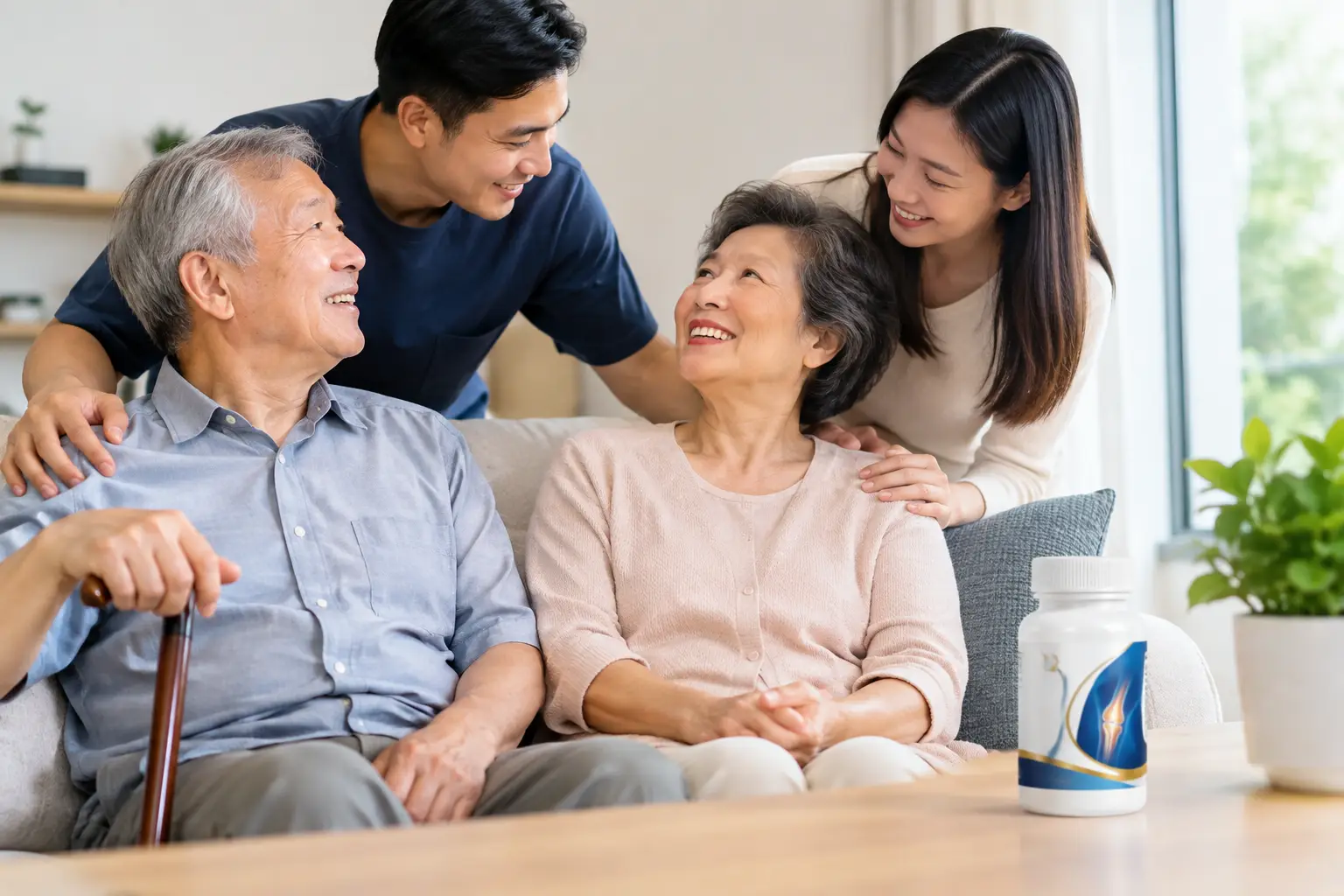
A parent who once carried groceries, climbed stairs, and looked after everyone else may not say that their knees hurt. Instead, they may begin avoiding the market, holding onto furniture, or declining family outings. For families caring for ageing parents in Singapore, these small changes can be the first signs that mobility, confidence, or health needs are shifting.
The goal is not to take over every decision. Good care protects dignity while reducing preventable risks. It means noticing changes early, making the home safer, encouraging appropriate medical care, and supporting daily movement before a small limitation becomes a loss of independence.
Why mobility matters for ageing parents in Singapore
Mobility is about far more than walking speed. It affects whether a person can bathe safely, get to the bathroom at night, prepare a meal, visit friends, attend appointments, and remain involved in family life. When joint pain, stiffness, weakness, or poor balance make these tasks difficult, older adults may become less active. That can lead to weaker muscles, greater stiffness, lower confidence, and a higher risk of falls.
Osteoarthritis is a common cause of joint discomfort in later life. It happens when the tissues within a joint change over time, often affecting the knees, hips, hands, or spine. Pain may be worse after activity or after sitting still for a long period. However, not every ache is arthritis. Gout, old injuries, nerve problems, inflammatory conditions, medication side effects, and circulation concerns can also affect movement.
That is why persistent pain should not simply be accepted as part of getting older. A proper assessment can identify the likely cause and help families choose the right next step.
Notice the changes that parents may hide
Many older adults minimize symptoms because they do not want to worry their children or become a burden. Others may assume pain is unavoidable. Rather than asking only, “Are you okay?”, pay attention to routines.
A parent may need more time to rise from a chair, avoid stairs, use both hands to hold a railing, or stop going for their usual walks. You may notice they are wearing the same clothes because laundry has become difficult, ordering more food because cooking is tiring, or becoming reluctant to leave home. These are practical signals, not signs of failure.
Changes in walking should be taken especially seriously after a fall or near-fall. So should sudden pain, a hot and swollen joint, fever, unexplained weight loss, new numbness, severe back pain, or weakness on one side of the body. Seek prompt medical attention for these symptoms. Chest pain, sudden breathlessness, facial drooping, confusion, or sudden speech difficulty require emergency care.
Start the conversation with respect
The wrong opening can make a parent feel judged: “You cannot manage on your own anymore.” A better approach is specific and collaborative: “I noticed your knee seems painful when you come down the stairs. What would make that easier?”
Give your parent time to answer. Ask what matters most to them, whether that is visiting the temple, playing with grandchildren, gardening, or walking to the coffee shop. Care plans work better when they are tied to a personal goal rather than a family member’s fear.
It also helps to discuss support before a crisis. Talk about who should attend medical appointments, where health information is kept, how medications are organized, and what help is welcome at home. These conversations can feel uncomfortable, but they reduce confusion if health needs change quickly.
Make the home easier to move around in
A safer home does not need to look clinical. Small adjustments can remove daily obstacles and preserve independence. Focus first on the routes your parent uses most: bed to bathroom, kitchen to dining area, and entryway to living room.
Clear loose rugs, electrical cords, low stools, and clutter from walking paths. Improve lighting in hallways and near the bathroom, including a bedside light that is easy to reach. Non-slip footwear is usually safer than worn slippers that slide or flip off easily.
In the bathroom, grab bars, a stable shower chair, and a non-slip mat can be helpful. A raised toilet seat may make standing easier for someone with painful knees or hips. If stairs are unavoidable, make sure handrails are secure and that commonly used items are not stored upstairs.
The best changes depend on the person. Someone with mild knee stiffness may only need better lighting and supportive footwear. Someone with repeated falls, severe pain, or difficulty transferring from bed to chair may need a more detailed assessment from a doctor, physiotherapist, or occupational therapist.
Encourage movement without pushing through pain
Rest has a place during a painful flare, but too much inactivity can make joints and muscles feel worse. For many older adults, gentle and regular movement is more useful than occasional intense exercise.
Walking, simple strength exercises, chair-based movements, water exercise, tai chi, and physiotherapist-guided programs can improve leg strength, balance, and confidence. The right activity depends on the diagnosis, fitness level, and fall risk. A parent with severe hip pain or unstable knees should not be told to “just exercise more” without guidance.
Encourage a gradual approach. A short walk after breakfast, a few sit-to-stands from a sturdy chair, or gentle range-of-motion movements may be a realistic place to begin. Pain that is mild and settles after activity can be different from sharp pain, swelling, or pain that continues to worsen. Those symptoms deserve medical review.
Sleep, hydration, regular meals, and adequate protein also support strength and recovery. If appetite has fallen, weight loss is unplanned, or chewing is difficult, mention it during a medical visit. Nutrition and mobility are closely connected.
Review pain medicines and supplements carefully
Many families reach for pain relievers first, especially when a parent is struggling to walk. Some medicines can be useful, but long-term self-management deserves caution. Nonsteroidal anti-inflammatory drugs, often called NSAIDs, may raise the risk of stomach bleeding, kidney problems, fluid retention, or blood pressure issues in some people. Risks can be higher for older adults and those taking blood thinners, certain blood pressure medicines, or multiple prescriptions.
Bring all prescription medicines, over-the-counter products, traditional remedies, and supplements to a pharmacist or doctor for review. This helps identify duplicate ingredients and possible interactions. “Natural” does not automatically mean suitable for every person.
A carefully selected joint supplement may be considered as part of a broader plan, especially for adults seeking additional support for stiffness, occasional joint discomfort, and mobility. Expectations should remain realistic: supplements are not a replacement for diagnosis, physical activity, weight management where appropriate, or prescribed treatment. Quality, ingredient transparency, and individual medical history matter.
Build a care routine the family can sustain
Caregiving often becomes difficult when one person tries to manage everything alone. Divide tasks where possible. One family member might handle appointments, another may check medication supplies, and another may visit regularly or arrange groceries. A simple shared record of symptoms, falls, blood pressure readings if advised, and questions for the doctor can make appointments more productive.
Also notice the caregiver’s health. Constant worry, poor sleep, and trying to solve every problem can lead to burnout. Asking for help early is responsible, not selfish. Sustainable care gives both parent and adult child a better chance of staying well.
Your parent does not need to give up independence because their joints are changing. With early attention, respectful conversations, and the right professional support, many daily activities can remain possible and enjoyable. Speak with a healthcare professional about new or persistent mobility concerns, and learn more about Jointplex Pro if you are looking for additional support for joint comfort and movement.


