
Subtotal: MYR0.00
Choosing Inflammation Support Supplements
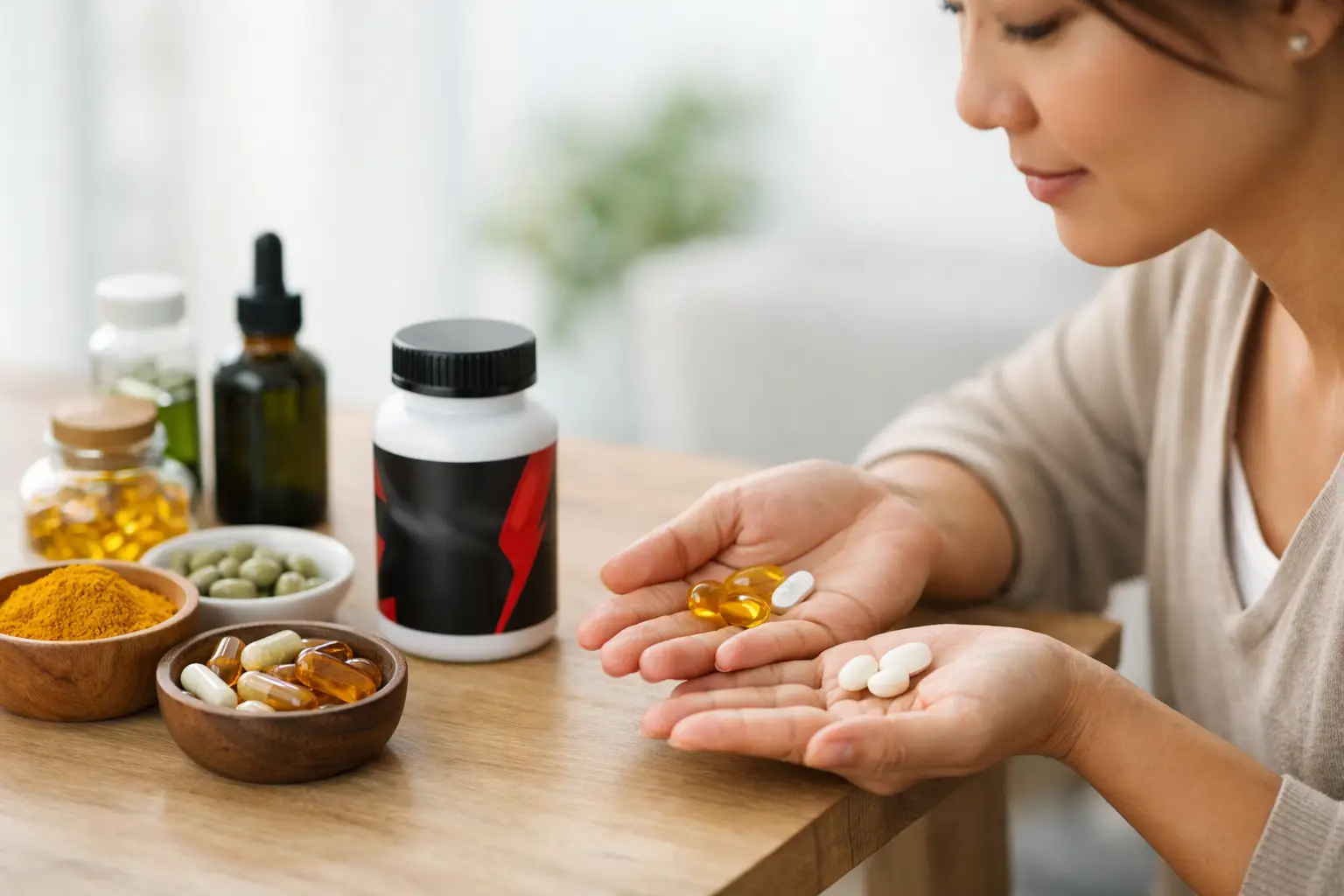
If your knees feel tight when you stand up, your hands ache in the morning, or your back seems to complain after simple daily movement, you are not imagining it. Many people start looking at inflammation support supplements only after discomfort begins to limit ordinary life – walking the dog, climbing stairs, sleeping comfortably, or staying active enough to feel like themselves.
That is usually the moment when the supplement aisle becomes more frustrating than helpful. There are dozens of bottles making similar promises, but not all formulas are built with the same level of care. For anyone dealing with recurring joint discomfort, age-related stiffness, exercise-related soreness, or the daily wear that comes with an active life, the real question is not whether supplements can help. It is which ones are actually worth considering.
What inflammation support supplements are meant to do
Inflammation is not automatically a bad thing. It is part of how the body responds to stress, strain, and injury. The problem starts when that response becomes ongoing, excessive, or poorly resolved. In joints and soft tissues, that can show up as stiffness, tenderness, swelling, reduced range of motion, or a lingering ache that never quite leaves.
Inflammation support supplements are designed to help modulate that response rather than simply cover it up. That distinction matters. A short-term pain reliever may reduce discomfort for a few hours, but a well-formulated supplement is usually intended to support the underlying inflammatory pathways involved in recurring joint issues and mobility decline.
For many adults, especially those trying to avoid leaning too heavily on long-term NSAID use, this feels like a more sustainable approach. Not a miracle fix, and not a replacement for medical care when it is needed, but a practical part of a broader plan to protect comfort and function over time.
Why quality matters more than quantity
The supplement market has a volume problem. Too many products are built to look impressive on a label while delivering very little where it counts. That may mean trendy ingredients in tiny amounts, poorly absorbed forms, unnecessary fillers, or formulations that were clearly designed for shelf appeal before results.
This is especially relevant with inflammation support supplements because results often depend on consistency, ingredient synergy, and meaningful dosing. A formula can contain a recognizable botanical name and still be underpowered. It can say natural and still fail to meet a high standard for purity or effectiveness.
That is why a selective approach matters. A tightly curated product line often serves customers better than a huge catalog because it reflects screening, standards, and the willingness to reject products that do not make the cut. When someone is dealing with arthritis-related discomfort or ongoing stiffness, they do not need more choices. They need better ones.
Ingredients that deserve a closer look
Not every ingredient with an anti-inflammatory reputation belongs in every formula, and not every person responds the same way. Still, a few categories consistently stand out.
Turmeric extracts, especially those standardized for curcuminoids and paired with absorption support, remain popular for a reason. They are widely used in joint formulas because they help support inflammatory balance and may be useful for people with stiffness that builds over the day.
Boswellia is another ingredient worth attention, particularly in clinically oriented formulations. It is often included to support comfort, mobility, and a healthier inflammatory response in the joints. Some people find it especially helpful when movement feels restricted.
Ginger, bromelain, and other botanical or enzyme-based ingredients may also play a role, depending on the formula. The strongest products tend to avoid random ingredient stacking and instead use combinations with a clear purpose.
There is a trade-off here. More ingredients do not always mean better results. In fact, overly crowded formulas can make it harder to know what you are taking, how much you are getting, and whether the product was designed with real therapeutic intent.
How to assess inflammation support supplements without getting misled
A good label should answer basic questions clearly. What are the active ingredients? Are they standardized? Are the amounts disclosed? Is the formula designed around known joint and inflammation support compounds, or is it padded with extras that sound good but contribute little?
It also helps to ask what the product is trying to achieve. Some supplements are designed mainly for temporary post-exercise recovery. Others are better suited for daily support in people dealing with chronic stiffness, arthritis-related discomfort, or reduced mobility. Those are not the same customer needs, so the right formula depends on your situation.
Manufacturing quality matters too. A premium supplement should reflect careful sourcing, testing, and formulation decisions. This is one of the clearest differences between a specialist retailer and a general marketplace seller. If a company is willing to be selective, it is often a sign that product quality is part of the business model rather than an afterthought.
That is one reason some customers prefer a clinic-style supplement provider such as TSC Health. The value is not just in the bottle. It is in knowing the product was chosen for a reason, with a narrower focus on inflammation, joint support, and mobility rather than mass-market volume.
Who may benefit most
The people who often get the most from inflammation support supplements are not only those with a formal arthritis diagnosis. They also include adults who notice recurring stiffness after sitting, soreness after moderate activity, reduced comfort in the morning, or a steady decline in ease of movement over time.
Caregivers are often the ones doing the research first. They see a parent using the railing on every staircase, a spouse slowing down on walks, or a loved one quietly avoiding activities they used to enjoy. In those cases, the goal is rarely just pain reduction. It is preserving confidence, independence, and participation in daily life.
Active adults can be a good fit as well, especially when exercise starts producing more joint irritation than it used to. If someone wants to keep moving without feeling punished by every workout, a well-chosen supplement may provide support that helps them stay consistent.
Still, expectations need to be realistic. Supplements usually work best over time, not overnight. If symptoms are severe, rapidly worsening, or paired with visible swelling, warmth, or injury, medical evaluation should come first.
What good results usually look like
People sometimes expect a dramatic switch from pain to no pain. That is not how most quality joint support formulas work. Better outcomes often show up in smaller but meaningful ways.
You may notice less stiffness getting out of bed. Your hands may feel looser in the morning. Walking may feel smoother, or your knees may complain less on stairs. Recovery after activity may improve. These changes can seem modest at first, but they often add up to something bigger – more comfort in motion and less fear around everyday movement.
That is a better benchmark than chasing exaggerated claims. When a supplement helps you move with less hesitation, stay active longer, or rely less often on quick-fix relief, it is doing something valuable.
A smarter way to choose
If you are considering inflammation support supplements, start with your actual symptom pattern rather than marketing language. Ask whether your issue is daily stiffness, exercise-related soreness, arthritis-related discomfort, or a broader mobility decline. Then look for a formula built for that need, using ingredients with a credible role in supporting inflammatory balance and joint comfort.
Choose products from companies that act more like curators than resellers. The fewer shortcuts a brand takes, the more confidence you can have in what you are taking. High standards are not a luxury in this category. They are part of what determines whether a supplement has a real chance to help.
And give the process enough time. The best formulas are not meant to overpower your body. They are meant to support it steadily, with an approach that respects long-term health as much as short-term relief.
The right supplement cannot promise a perfect body or turn back time. What it can do is help make movement feel more manageable again, and for many people, that is the difference between shrinking their life around discomfort and getting part of it back.


