
Subtotal: MYR0.00
8 Top Herbs for Arthritis Support
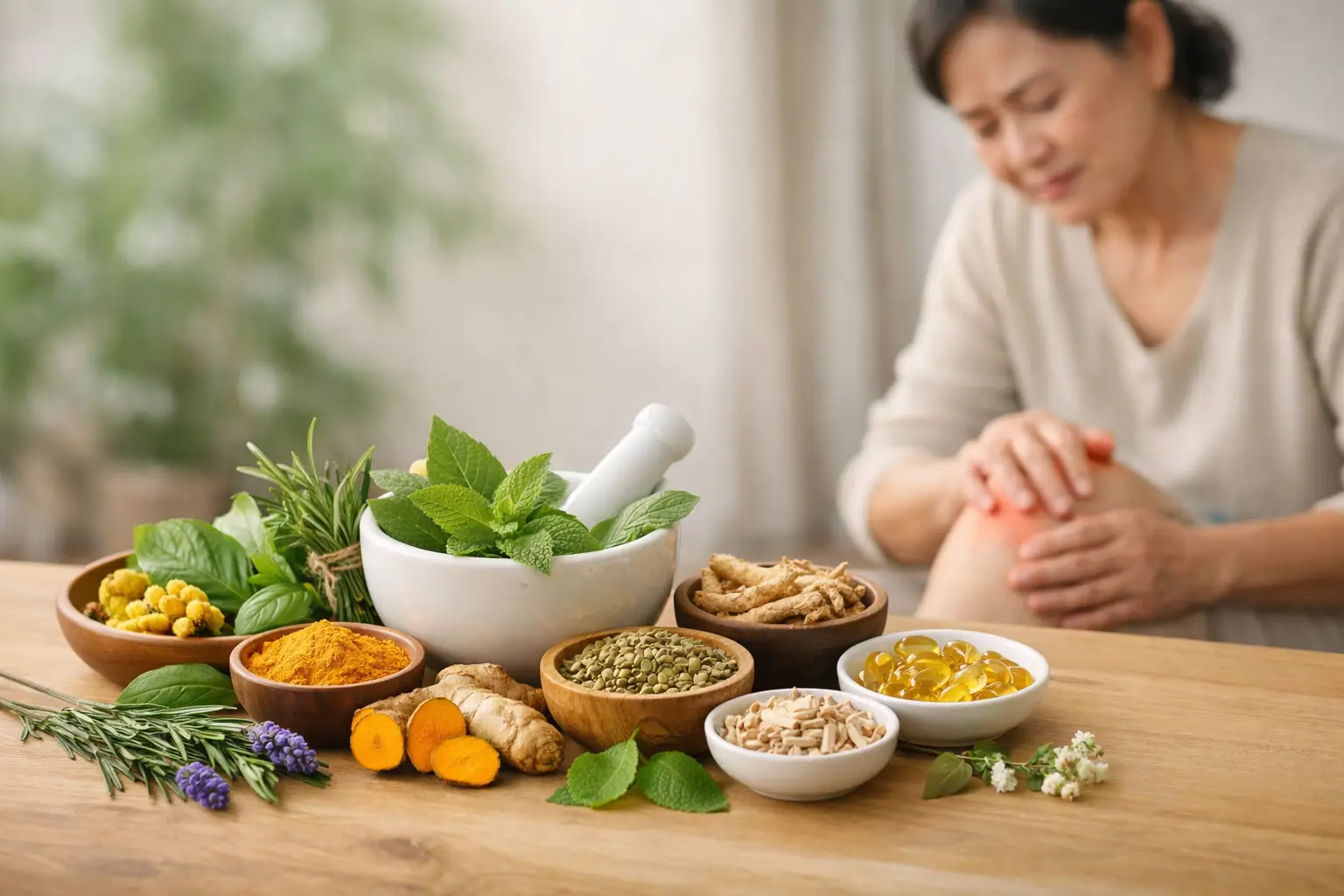
When your knees argue with every staircase or your hands feel stiff before the day even starts, the search for real relief gets personal fast. The top herbs for arthritis support are not about hype or trendy labels. They are about finding ingredients with a credible role in easing inflammation, supporting mobility, and helping you move with less discomfort over time.
For many adults, arthritis support is not a one-size-fits-all issue. Some people wake up with aching joints that loosen as the morning goes on. Others feel pain after exercise, long walks, or standing too long. Caregivers often see the pattern even more clearly – a parent moving slower, a spouse avoiding stairs, a loved one giving up activities they used to enjoy. That is why ingredient quality matters so much. A promising herb on a bottle means very little if the formula is weak, poorly absorbed, or built without clinical intent.
What makes the top herbs for arthritis support worth considering?
Arthritis is complex. Depending on the person, the problem may involve inflammation, cartilage wear, oxidative stress, fluid imbalance, or muscles tightening around painful joints. Herbs can help address part of that picture, but they work best when chosen for a clear reason rather than collected at random.
The strongest herbal candidates tend to fall into a few useful categories. Some help moderate inflammatory pathways. Others provide antioxidant support that may reduce tissue stress. A few are better known for circulation, comfort, or helping the body recover from daily joint strain. The trade-off is that natural support usually works gradually. If someone expects the speed of a painkiller, herbs may feel subtle at first. But for people looking for a gentler long-term strategy, that slower, steadier approach is often the point.
8 top herbs for arthritis support
Turmeric
Turmeric is often the first herb people ask about, and for good reason. Its active compounds, especially curcuminoids, have been widely studied for their role in helping regulate inflammation. For arthritis sufferers, that may translate to less stiffness, better comfort during movement, and easier daily function.
That said, not every turmeric supplement performs the same way. Plain turmeric powder is not always absorbed well, which is why formulation matters. When turmeric is included in a more carefully designed joint formula, it can be far more useful than a basic capsule pulled from a crowded supplement shelf.
Boswellia
Boswellia, sometimes called Indian frankincense, is one of the most respected herbs in the joint support category. It is often used for people dealing with persistent stiffness, soreness, and reduced mobility. What makes it especially appealing is that it may support comfort without the stomach concerns some people associate with frequent pain reliever use.
Boswellia tends to fit well in arthritis formulas designed for daily use. It is not magic, and some people notice results faster than others, but it has earned its place as a serious ingredient rather than a wellness fad.
Ginger
Most people know ginger for digestion, but it also has a useful role in inflammation support. Ginger contains natural compounds that may help calm inflammatory activity and reduce the kind of nagging joint discomfort that makes ordinary movement feel harder than it should.
For adults with arthritis, ginger can be particularly appealing because it is familiar and generally well tolerated. On its own, it may not be enough for more advanced joint problems, but in combination with stronger joint-focused herbs, it can add meaningful support.
Devil’s claw
Devil’s claw has a long history of use for joint and back discomfort. It is often considered when pain and stiffness are the main complaint, especially in adults who want natural support for staying active. Some people find it especially helpful when their discomfort affects walking, bending, or getting up from a seated position.
This is one of those herbs where context matters. It can be a valuable part of a joint formula, but it is not right for everyone, especially if there are digestive concerns or medication questions in the background. That is why selective guidance matters more than impulse buying.
White willow bark
White willow bark is sometimes described as a more traditional herbal option for pain support. It has been used for centuries and remains relevant because it may help with general joint discomfort, especially in people looking for non-prescription support.
Still, this herb deserves a bit more caution than some others. Because of how it works, it may not be suitable for certain individuals, including those with specific medication sensitivities. It can be useful, but it is not a casual add-on. A better approach is to treat it as a targeted ingredient that belongs in the right setting.
Cat’s claw
Cat’s claw is valued for its immune-modulating and anti-inflammatory properties. In arthritis support, it is often discussed in relation to swelling, stiffness, and long-term joint irritation. For some people, especially those dealing with ongoing inflammatory patterns, it may offer another layer of support beyond basic pain relief.
Like many herbs in this category, cat’s claw is best viewed as part of a broader strategy. Its strength is not usually dramatic overnight change. Its value is in supporting the body more steadily when inflammation is part of the everyday picture.
Green tea extract
Green tea extract may not be the first ingredient people think of for joint pain, but it brings something useful to the table: antioxidant support. Joint tissue can be affected by ongoing oxidative stress, particularly in aging adults or those under repeated physical strain. Green tea’s polyphenols may help protect against some of that wear.
This does not make green tea extract a primary arthritis herb in the same way turmeric or boswellia might be. But in a well-built formulation, it can support the larger goal of preserving mobility and comfort over time.
Ashwagandha
Ashwagandha is better known as an adaptogen, yet it can still have a place in arthritis support. Why? Because chronic joint discomfort is not only physical. It often affects sleep, stress levels, recovery, and overall resilience. When the body is run down, pain can feel worse and movement can become more limited.
Ashwagandha may help support a healthier stress response and better recovery, which can indirectly improve how people cope with daily joint issues. It is not a direct substitute for anti-inflammatory herbs, but it can be a smart supporting ingredient when arthritis is affecting quality of life more broadly.
Why formulation matters more than a long ingredient list
One of the biggest mistakes in the supplement market is assuming that more ingredients mean a better product. In reality, many joint supplements pack in a long list of herbs at weak doses, then rely on marketing language to do the rest. That is not the kind of support most arthritis sufferers are looking for.
A better formula is selective. It uses herbs with a real purpose, includes them at meaningful levels, and combines them in a way that makes sense for absorption and daily use. That is especially important for adults who are tired of trying random bottles with no clear result.
This is where a curated approach stands apart. Brands such as TSC Health focus on fewer, better options because quality control matters when someone is trusting a product to support long-term joint comfort and mobility. For people dealing with arthritis, that kind of selectivity is often more valuable than endless choice.
How to choose herbs for arthritis support wisely
Start with the symptom pattern. If inflammation and morning stiffness are front and center, turmeric and boswellia may deserve the most attention. If the bigger issue is general pain with activity, devil’s claw or white willow bark may come up in the conversation. If recovery, stress, and whole-body wear are also part of the story, supportive ingredients like ashwagandha can make more sense.
It also helps to be honest about expectations. Herbs can be very helpful, but they are not usually quick fixes. Most people need consistency. The right formula may support easier movement, less stiffness, and better day-to-day function, but it often does that over weeks rather than hours.
Finally, be careful with self-selection if you take medications, have digestive issues, or are managing other health conditions. The safest and smartest route is to choose products screened with care and to ask questions before buying.
The best joint support is not just about reducing pain. It is about protecting the ability to walk comfortably, exercise with confidence, use your hands without dread, and stay involved in daily life. The right herbs can help with that, especially when they are chosen with standards, not guesswork. If your joints have been asking for more support, that is a good place to start listening.


