
Subtotal: SGD$0.00
Why Joint Pain After Exercise Happens
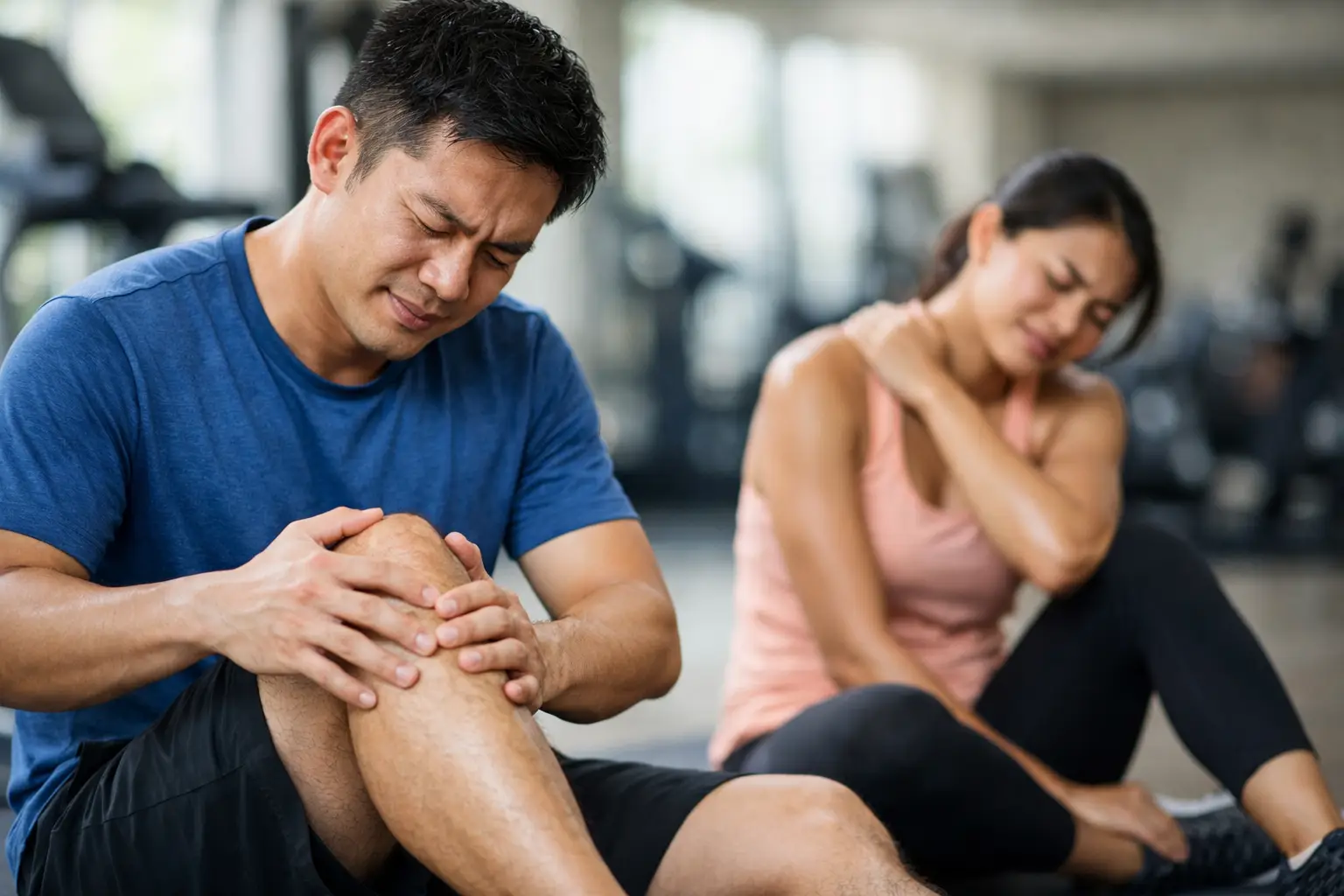
You finish a workout expecting the usual muscle soreness, then notice something different – a sharp knee on the stairs, aching hips getting out of the car, or wrists that feel irritated long after the session ends. Joint pain after exercise is not the same as normal post-workout fatigue, and that distinction matters. Muscles often adapt and recover quickly. Joints tend to be less forgiving when they are overloaded, irritated, or not recovering the way they should.
For many adults, especially those trying to stay active as they get older, this can be frustrating. Exercise is supposed to support mobility, weight control, circulation, and long-term joint health. But if every walk, strength session, or fitness class leaves your knees, shoulders, or ankles more painful than before, your body is asking for a closer look.
What joint pain after exercise usually means
Joint discomfort after activity can come from several different issues, and the cause affects what will actually help. Sometimes the problem is simple mechanical overload. You increased weight too quickly, added extra miles, changed shoes, or returned to exercise after time off. In that case, the joint may be irritated because the tissues around it were asked to do more than they were ready for.
In other cases, the pain reflects underlying inflammation or wear that exercise merely exposes. This is common in adults with early osteoarthritis, old injuries, reduced mobility, or poor joint stability. The workout did not necessarily create the problem from nothing. It revealed a joint that was already vulnerable.
There is also a difference between soreness around a joint and pain inside it. Tight muscles near the knees or hips can create a pulling sensation that feels like joint pain. But deeper aching, swelling, catching, grinding, or pain with weight-bearing may point more directly to joint irritation.
Common causes of joint pain after exercise
One of the most common causes is doing too much, too soon. This applies to beginners, but it also affects experienced exercisers who suddenly push intensity, volume, or frequency. Joints adapt more slowly than motivation does.
Poor movement mechanics are another major factor. If your knees collapse inward during squats, your feet lack support during walking, or your shoulders compensate during upper-body work, small stresses repeat over and over. Eventually those stresses become pain.
Surface and footwear matter more than many people realize. Hard pavement, worn-out sneakers, or shoes that do not match your gait can change how force travels through the ankles, knees, hips, and lower back. For some people, simply correcting support reduces discomfort significantly.
Inflammation also plays a role. If a joint is already irritated, exercise can amplify the response. This is especially true in people dealing with stiffness in the morning, arthritis-related changes, past sprains, tendon irritation, or recurring swelling. In these cases, the answer is not always to stop moving. Often it is to choose the right type and dose of movement while supporting the body’s recovery more effectively.
Age-related tissue changes should be part of the conversation too. Cartilage, tendons, and connective tissue do not recover at the same pace they did at 25. That does not mean pain is inevitable, and it certainly does not mean activity is unsafe. It means recovery, inflammation control, and joint support become more important.
When pain is more than normal exercise soreness
A lot of people dismiss warning signs because they do not want to lose momentum. That is understandable, but not every ache should be pushed through. Muscle soreness tends to feel broad, dull, and temporary. It usually improves as the body warms up.
Joint pain after exercise is more concerning when it feels sharp, localized, swollen, unstable, or worse the day after activity rather than better. If a knee gives way, a shoulder clicks painfully, or an ankle remains puffy and tender for days, that is not standard training discomfort.
Pain that repeatedly shows up with the same movement is also worth taking seriously. If every lunge triggers knee pain or every overhead press aggravates the shoulder, your body is giving consistent feedback. Ignoring that pattern rarely solves it.
How to reduce joint pain after exercise
The first step is often reducing the load without abandoning movement entirely. This can mean lowering resistance, shortening duration, choosing a lower-impact option, or spacing out harder sessions. Many joints calm down when intensity becomes more appropriate.
Technique deserves attention too. A small correction in form can change how force is distributed across a joint. For knees and hips, that may mean improving glute strength and foot alignment. For shoulders, it may mean focusing on posture, scapular control, and avoiding ranges that pinch.
Warm-up quality matters more than warm-up length. Five to ten focused minutes that increase blood flow and prepare the joint for the exact movement ahead often help more than a generic routine. If a joint feels stiff going in, it is more likely to protest afterward.
Recovery is where many active adults fall short. Hydration, protein intake, sleep, and rest days all influence how tissues respond to training. If exercise frequency is high but recovery is weak, irritation can become a cycle.
Body weight can affect symptoms as well, particularly in the knees, hips, and feet. Even modest changes in weight and inflammation burden can improve comfort during movement. This is one reason a long-term joint strategy should look beyond the workout itself.
The role of inflammation and joint support
Not all joint pain after exercise comes from one bad session. For many people, the deeper issue is that the body is already dealing with ongoing inflammation and reduced resilience. If that is the case, simply modifying exercise may not be enough.
This is where thoughtful joint support can make a real difference. Adults who want to stay active often look for options beyond routine painkiller use, especially when discomfort is recurring. That is a reasonable concern. Short-term symptom relief has its place, but many people want a longer view – something that supports comfort, mobility, and daily function without depending entirely on temporary fixes.
A well-formulated joint supplement may help support a healthier inflammatory response, ease stiffness, and improve day-to-day movement. The key word is well-formulated. This category is crowded, and quality varies widely. Ingredient choice, dosage, sourcing, and overall formulation standards matter. A selective approach is better than chasing every product with a bold label.
For people dealing with exercise-related stiffness on top of age-related wear, recurring inflammation, or arthritis tendencies, targeted support may be especially useful. The goal is not to mask pain so you can overdo it. The goal is to help the body move and recover more comfortably so exercise remains sustainable.
When exercise is helping – even if a joint complains
There is an important trade-off here. Rest can reduce irritation in the short term, but too little movement can leave joints stiffer, weaker, and less stable. On the other hand, pushing through pain can worsen the problem. The right answer is usually somewhere in the middle.
Low-impact exercise often works well when higher-impact training does not. Walking on level ground, cycling, swimming, resistance bands, controlled strength work, and mobility training may allow you to stay active without provoking the same level of discomfort. This is especially relevant for adults who want to protect long-term independence, not just get through one workout.
Consistency generally beats intensity. A joint usually responds better to appropriate, regular movement than occasional bursts of aggressive effort followed by pain and downtime.
When to get medical advice
Some symptoms should not be self-managed for too long. If you have major swelling, redness, warmth, locking, inability to bear weight, pain after a fall, or discomfort that keeps worsening despite reducing activity, get evaluated. The same goes for pain that wakes you at night or limits daily tasks like standing, dressing, or climbing stairs.
If you already have arthritis, a prior joint injury, or chronic inflammation, recurring exercise pain may still be manageable, but it deserves a more individualized plan. The right combination of activity, recovery, and high-quality joint support can make a meaningful difference.
At TSC Health, we believe people deserve more than crowded shelves and generic promises. If joint discomfort is interfering with exercise or everyday movement, taking a more selective, better-supported approach can help you stay active with greater confidence. A sore joint after activity is not always a reason to quit. Often, it is a reason to adjust, support, and listen more carefully so your body can keep carrying you where you want to go.


