
Subtotal: MYR0.00
Herbal Joint Care That Makes Sense
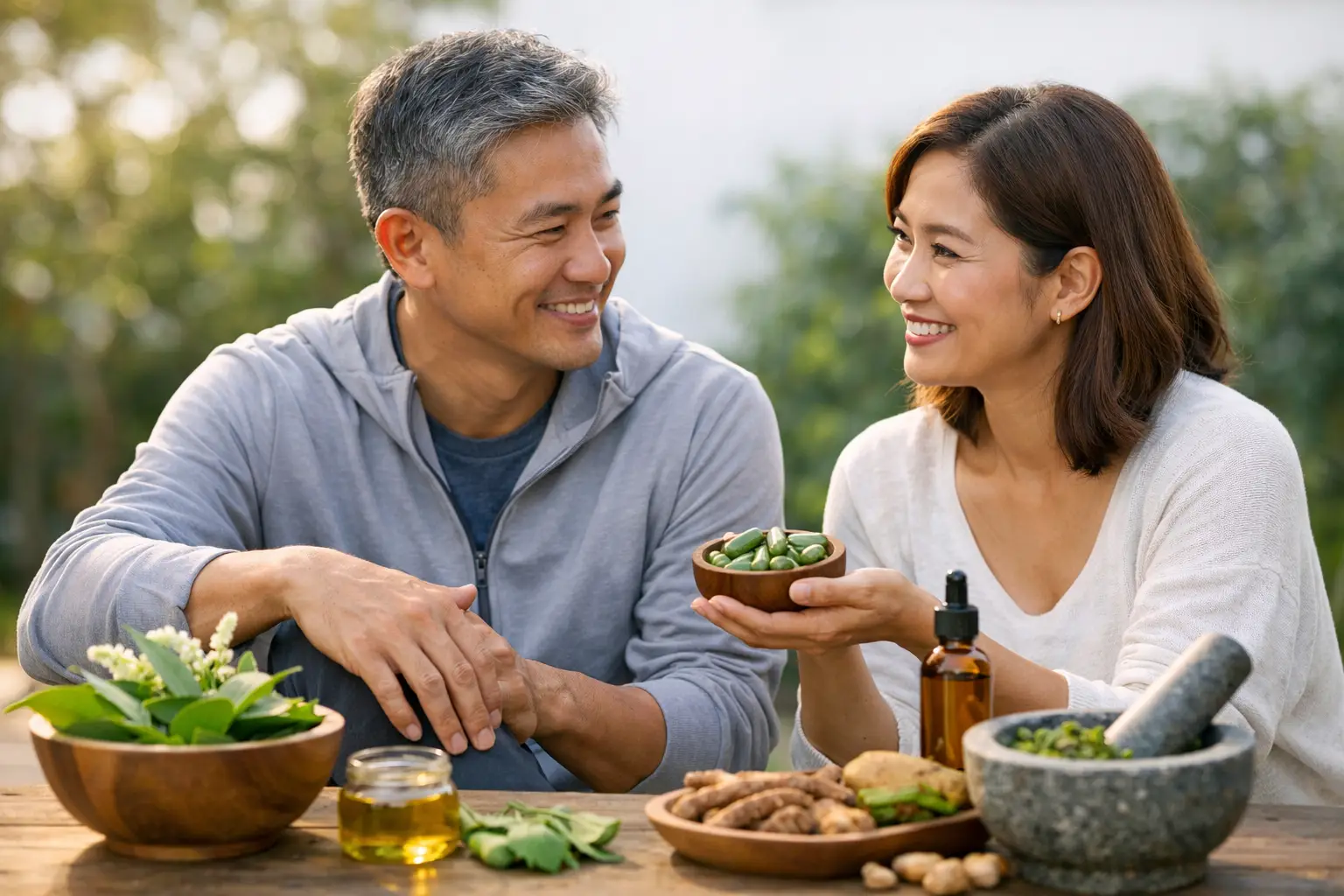
If your knees complain when you stand up, your hands feel stiff in the morning, or your shoulders remind you of every workout from ten years ago, you are not imagining it – and you are not alone. Herbal joint care has become a serious option for people who want more than short-term masking. They want to move with less discomfort, stay independent, and support their joints in a way that feels sustainable.
That shift matters. Many people are no longer looking for a random bottle from a crowded supplement aisle. They want something better screened, better formulated, and easier to trust. When joint discomfort starts affecting stairs, sleep, exercise, or simple daily tasks, quality stops being a luxury and starts becoming the point.
What herbal joint care should actually do
A good joint support formula should address more than one problem at a time. Joint discomfort is rarely just about pain. For some people, inflammation is the main issue. For others, stiffness, reduced flexibility, wear and tear, or post-exercise irritation plays a larger role. That is why herbal support works best when it is built around the full picture rather than a single symptom.
The most useful herbal ingredients are typically chosen for a few clear reasons. Some help calm inflammatory pathways. Some support comfort during movement. Others are included because they may help protect long-term function when used consistently. This is where careful formulation matters. Throwing trendy herbs together is not the same as creating a product that serves real people dealing with arthritis, age-related stiffness, or recurring joint strain.
There is also a timing issue that many customers do not hear enough about. Herbal support is often not a one-day fix. Some people feel early relief fairly quickly, especially when inflammation is part of the problem. Others notice gradual improvement over several weeks as their body responds to consistent use. That does not mean the product is weak. It means expectations should match the nature of joint recovery and support.
Why quality matters in herbal joint care
This category has a quality problem. Labels can look impressive while the contents fall short in potency, purity, or formulation logic. For customers who are already in pain, that creates frustration fast. They spend money, wait hopefully, and end up with little change because the product was built for shelf appeal, not outcomes.
High-quality herbal joint care starts with ingredient selection, but it does not end there. The source of the herb matters. The extraction method matters. Standardization matters. Dose matters. So does whether the ingredients make sense together instead of competing with one another or appearing in amounts too small to do anything meaningful.
This is especially important for adults managing chronic discomfort. If someone is relying on a supplement as part of a long-term wellness plan, they should not have to guess whether the formula was created by people who understand joint health or marketers who understand packaging. Selective curation is not about being exclusive for the sake of it. It is about protecting customers from ineffective, underdosed, low-standard products.
The ingredients people look for most
Not every herb deserves a place in a joint formula. The strongest formulations tend to center on ingredients with a long history of use and a clear role in supporting comfort and mobility.
Turmeric is one of the best-known examples, largely because of curcumin, its active compound. It is often chosen for its anti-inflammatory potential and is especially appealing to people looking for natural support instead of heavy daily reliance on over-the-counter pain relief. That said, turmeric is not automatically effective in every form. Absorption can vary widely, which is why formulation quality matters.
Boswellia is another standout. Many people seeking support for stiffness or exercise-related joint discomfort are drawn to it because it is often used to help maintain comfort and range of motion. It can be a smart choice in formulas designed for both daily wear-and-tear support and more persistent inflammatory discomfort.
Ginger also earns attention for good reason. It is familiar, generally well tolerated, and often used to support the body’s response to inflammation. In joint formulas, it can complement stronger centerpiece ingredients rather than replace them.
Some blends go further by including supportive compounds that are not herbal but still relevant, such as nutrients or compounds that help with cartilage support or connective tissue function. Whether that is useful depends on the person. Someone with generalized stiffness may need a different approach than an active adult whose discomfort flares after training.
Herbal joint care is not one-size-fits-all
This is where many supplement conversations become too simplistic. Two people can both say, “My joints hurt,” and need very different support.
A woman in her 60s with hand stiffness and knee discomfort first thing in the morning may be dealing with a very different pattern than a man in his 40s whose joints ache after tennis or long runs. A caregiver shopping for a parent may be focused on safe, steady support for mobility and independence. Someone else may want help staying active without feeling like they have to choose between exercise and pain later.
That is why the best supplement decision is often a guided one rather than an impulse purchase. It helps to consider where the discomfort shows up, when it gets worse, how long it has been going on, whether inflammation seems to be involved, and what other medications or health conditions need to be respected. A quality-focused company should treat those questions seriously.
What to look for before you buy
The first thing to look for is a formula with a clear purpose. If a product claims to help every system in the body at once, be cautious. Joint support should sound like joint support. The language should reflect comfort, inflammation balance, flexibility, mobility, and long-term function.
The second is transparency. You should be able to see what is in the formula and why it is there. Vague proprietary blends can make it harder to know whether you are getting a meaningful amount of key ingredients. When people are dealing with real pain, mystery is not a benefit.
The third is selectivity. A curated supplement provider often offers fewer options because each product has to meet a higher internal standard. That can be far more helpful than scrolling through dozens of generic products with inflated promises. TSC Health The Supplement Clinic follows this more careful model because screening matters when customers are trusting a product with their comfort, mobility, and daily quality of life.
Finally, look for support beyond the label. Joint concerns can overlap with age, activity level, inflammation patterns, and medication use. A company that offers real guidance is giving you something valuable that mass-market sellers usually do not.
When herbal support helps most – and when it depends
Herbal support can be especially useful for people with recurring stiffness, mild to moderate inflammatory discomfort, age-related mobility decline, or exercise-related joint irritation. It can also make sense for those trying to reduce how often they reach for short-term pain relief options, as long as they do so responsibly and with appropriate medical guidance when needed.
Still, herbal support is not a substitute for everything. Severe joint pain, sudden swelling, injury-related symptoms, or rapidly worsening mobility deserve medical evaluation. Supplements can play a meaningful role, but they should not delay diagnosis when something more serious is going on.
It also depends on consistency and expectations. If someone takes a formula sporadically, keeps aggravating the joint, and expects instant reversal of years of wear, disappointment is likely. Better outcomes usually come from a broader plan that includes steady use, movement that fits the body, weight management when relevant, and attention to recovery.
A better standard for joint relief
People living with joint discomfort are often offered two extremes – either suffer through it or keep chasing temporary relief. There is a better middle ground. Herbal joint care, when it is thoughtfully formulated and carefully chosen, can support a more stable, realistic path toward comfort and movement.
That path starts with refusing low standards. It means choosing formulas built around evidence-based ingredients, meaningful doses, and a real understanding of what joint discomfort feels like in everyday life. Most of all, it means recognizing that mobility is not a small thing. Being able to walk comfortably, use your hands freely, exercise with confidence, or climb stairs without bracing yourself changes the entire rhythm of a day.
If you are considering herbal support, choose with care. The right formula should feel less like a gamble and more like a well-reasoned decision in support of the life you want to keep living.


