
Subtotal: MYR0.00
Herbal Joint Supplements vs Painkillers
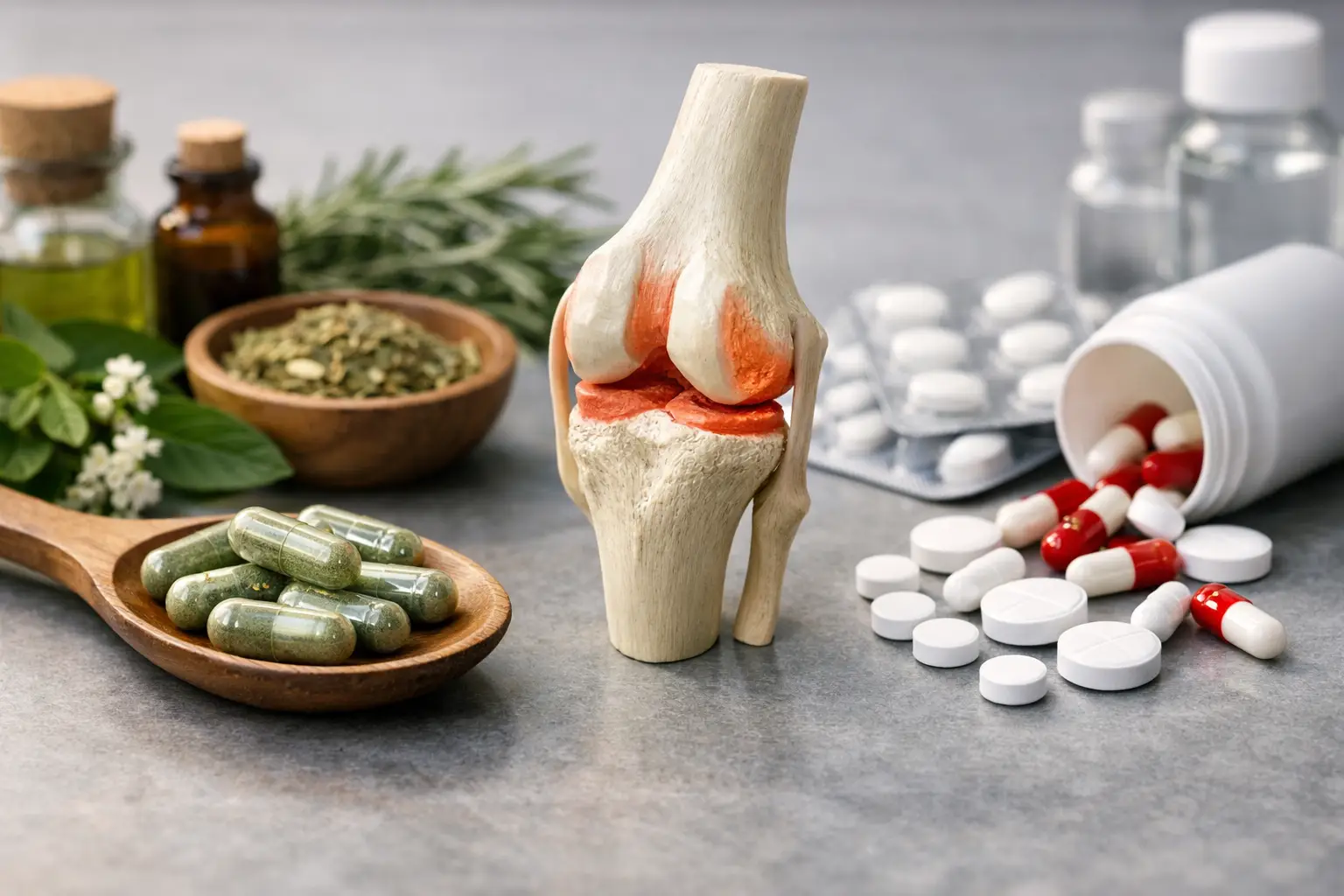
A lot of people reach for a painkiller when their knees ache on the stairs or their hands stiffen first thing in the morning. It makes sense. Pain demands attention. But when the pattern becomes daily, the real question behind herbal joint supplements vs painkillers is not just what works fastest. It is what supports your joints best over time.
That distinction matters if you are dealing with arthritis, exercise-related soreness that keeps returning, or the kind of stiffness that slowly chips away at confidence and independence. Short-term relief has value. Long-term joint support does too. The right choice often depends on what kind of problem you are trying to solve.
Herbal joint supplements vs painkillers: what is the real difference?
Painkillers are usually designed to reduce pain quickly. Depending on the type, they may also reduce inflammation for a period of time. That can be helpful when symptoms flare and you need to get through the day, sleep better, or move with less discomfort.
Herbal joint supplements work differently. They are not typically built for immediate symptom suppression. A well-formulated herbal product is meant to support the inflammatory response, joint comfort, flexibility, and mobility more gradually. In other words, painkillers often aim to quiet the alarm. Herbal supplements aim to support the system that keeps setting it off.
This is why the comparison can feel frustrating if it is framed as a simple winner-takes-all decision. If you want fast relief this afternoon, a supplement may not feel dramatic. If you want a strategy that supports your joints beyond today, painkillers alone may not be enough.
When painkillers make sense
There is no need to pretend painkillers have no place. They do. For acute discomfort, flare-ups, or days when pain is interfering with basic function, they can be useful. Many people rely on them after overexertion, during weather-related arthritis flares, or when inflammation spikes suddenly.
The main advantage is speed. Some over-the-counter pain medications can reduce symptoms within hours, which is exactly what people want when walking, sleeping, or getting dressed has become uncomfortable.
The limitation is that symptom relief is not the same thing as joint support. If pain keeps coming back, repeated reliance on painkillers can become a pattern rather than a plan. And for many adults, especially those managing recurring inflammation, the long-term side effect profile matters. Certain painkillers may irritate the stomach, affect kidney function, raise cardiovascular concerns, or interact with other medications. That does not mean they are unsafe for everyone. It means they deserve respect, especially with frequent use.
Where herbal joint supplements fit
Herbal joint supplements appeal to people who are looking beyond short-term masking. They are often chosen by adults who want to stay active, protect mobility, and support comfort more naturally over time.
The best herbal formulas are selective by design. They focus on ingredients with a clear purpose, such as helping regulate inflammatory pathways, easing stiffness, or supporting recovery after activity. That matters because the supplement market is crowded with products that promise everything and prove very little.
A curated formula is different from a generic shelf blend. Quality of sourcing, dosage strength, ingredient compatibility, and screening standards all affect whether a supplement has a realistic chance of helping. This is one reason many people become disappointed with supplements in general. They try a low-grade product and assume the whole category does not work.
Why people choose herbal support for recurring joint issues
For ongoing joint discomfort, herbal support can make practical sense because it aligns with the nature of the problem. Joint irritation, stiffness, and mobility decline often build over time. Supportive care usually needs time as well.
People who benefit most tend to be those with consistent patterns: morning stiffness, recurring inflammation after exercise, mild to moderate arthritis discomfort, or joint soreness that makes regular movement less enjoyable. They are not looking for a one-hour fix. They want to move more comfortably next month, not just this morning.
What results usually look like
Herbal supplements are rarely dramatic on day one. More often, people notice small changes that add up. They may feel less stiff getting out of bed, more comfortable climbing stairs, or less hesitant to walk, garden, train, or stand for longer periods.
That gradual improvement is both the strength and weakness of the category. It is a strength because the goal is meaningful support, not temporary cover. It is a weakness because people expecting an instant result may stop too soon.
Herbal joint supplements vs painkillers for inflammation
Inflammation sits at the center of many joint complaints, but not all solutions address it in the same way. Painkillers may blunt inflammatory discomfort quickly, depending on the medication. Herbal support often aims to influence the body’s inflammatory response more steadily and gently.
For some people, that gentler approach is exactly the appeal. They want relief that fits into a broader long-term routine and does not leave them depending on frequent medication use. For others, especially during a significant flare, doctors may still use a painkiller because herbal support does not replace urgent symptom control in every situation.
This is where an either-or mindset gets in the way. Some people use painkillers occasionally while building a stronger foundation with a high-quality joint supplement. That kind of approach can be more realistic than expecting one tool to do every job.
The quality question most shoppers miss
Not all supplements deserve trust. This is the part many brands gloss over, but it is central. Some brands underdose joint supplements, add unnecessary ingredients, or build formulas around marketing language instead of meaningful clinical rationale.
For joint support, selectivity matters. A smaller number of well-screened ingredients is often better than a long label designed to impress. Adults dealing with mobility issues do not need hype. They need a product built with intention, quality control, and ingredients chosen for a real purpose.
That is why specialist-led curation matters. At TSC Health The Supplement Clinic, the focus is not on offering endless options. It is on identifying formulations that meet a higher standard for joint comfort, inflammation support, and daily mobility.
Which option is better for you?
It depends on your pattern of pain, your health history, and your goal.
If you are dealing with occasional, short-lived discomfort and simply need temporary relief, painkillers may be appropriate when used responsibly and with medical guidance where needed. If your pain is frequent, stiffness keeps returning, or you are trying to maintain mobility without leaning too heavily on medication, herbal joint support deserves serious consideration.
It also depends on your timeline. If you want something to help right now, a painkiller may feel more noticeable. But if you want to support how your joints feel and function over the long run, a premium herbal formula is often the more strategic choice.
If you take other medications, have digestive, kidney, or cardiovascular concerns, or live with diagnosed arthritis, personalization matters even more. Joint care is not one-size-fits-all. The best decision is informed, selective, and based on your real symptoms rather than marketing claims.
A smarter way to think about relief
The most helpful question is not whether herbal supplements are better than painkillers in every situation. They are not. The better question is whether your current approach is only dulling discomfort or actually supporting the life you want to keep living.
For many adults, the goal is simple: walk with less hesitation, get through the day with less stiffness, stay active, and protect independence. That usually calls for a plan that looks beyond quick fixes. Relief matters, but so does restoration.
If your joints have been asking for more than temporary silence, it may be time to choose support that respects the long game.


