
Subtotal: SGD$0.00
Curcumin for Joint Inflammation: Does It Help?
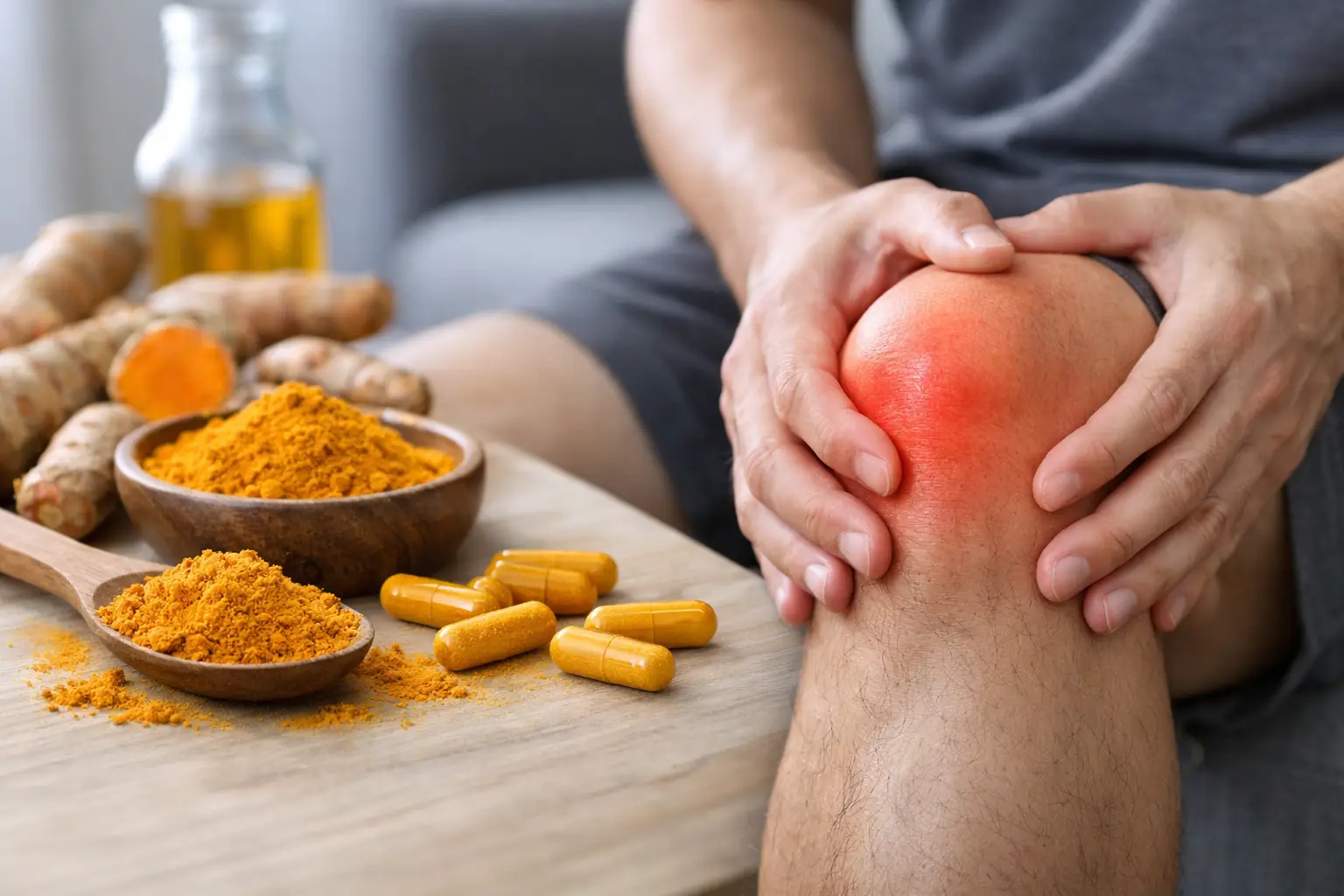
If your knees feel tight when you stand up, your fingers ache in the morning, or your hips complain after a short walk, you are not imagining it – inflammation often sits at the center of that daily joint frustration. That is why so many people ask about curcumin for joint inflammation, especially when they want support that feels safer and more sustainable than leaning on pain relievers day after day.
Curcumin is the best-known active compound in turmeric, the golden spice used in cooking and traditional wellness practices for centuries. But when people talk about curcumin for joints, they are usually not talking about sprinkling turmeric on dinner. They are talking about concentrated, clinically used extracts designed to deliver enough of the active ingredient to matter.
Why curcumin for joint inflammation gets so much attention
Joint inflammation is not always dramatic. Sometimes it looks like mild swelling after exercise. Sometimes it feels like stiffness that takes too long to wear off in the morning. In arthritis and age-related wear, it can become a steady background problem that changes how you move, sleep, and function.
Curcumin gets attention because it has been studied for its effect on inflammatory pathways involved in joint discomfort. In plain terms, it may help calm some of the biological signals that contribute to swelling, tenderness, and stiffness. That does not mean it works like a prescription drug, and it does not mean it will solve every joint problem. It means there is a reasonable scientific basis for why some people feel better when they use a quality curcumin supplement consistently.
For adults trying to stay active, this matters. Relief is not only about lowering pain. It is also about getting through stairs with less hesitation, moving more freely after sitting, and feeling more confident about walking, gardening, training, or simply handling daily routines.
How curcumin may support inflamed joints
The practical appeal of curcumin is that it targets inflammation rather than only dulling symptoms. That distinction is one reason people interested in longer-term joint support often consider it.
Inflamed joints can involve irritation in the lining of the joint, surrounding soft tissue stress, and a cycle where discomfort leads to less movement, which then leads to more stiffness. Curcumin may help interrupt part of that cycle by supporting a healthier inflammatory response. Some users notice less morning stiffness. Others notice that joints feel less reactive after activity. For people with mild to moderate ongoing discomfort, that difference can be meaningful.
There is a trade-off, though. Curcumin is not usually a fast fix. It tends to work best when taken consistently over time, often as part of a broader joint-support strategy that may also include weight management, movement, stretching, and other targeted ingredients.
Curcumin is not the same as turmeric powder
This point matters more than many shoppers realize. Turmeric in food can be healthy, but it contains a relatively small amount of curcumin. Most people would not get clinically meaningful amounts from diet alone.
That is why supplement quality becomes so important. A well-formulated curcumin product is typically standardized, meaning the active compounds are measured and controlled. It may also include delivery technology or companion ingredients to improve absorption. Without that, you may take a product faithfully and still get disappointing results.
The biggest issue with curcumin: absorption
One reason the supplement market is crowded with weak options is that curcumin is naturally hard for the body to absorb. This is where many low-grade products fail. A label can look impressive, but if the formula is poorly absorbed, the actual benefit may be limited.
That is also why selective screening matters. A premium joint supplement should not rely on curcumin as a trendy ingredient thrown into a generic blend. It should use a form chosen for bioavailability, dose logic, and real-world usefulness.
For consumers, this means looking beyond the front of the bottle. A cheaper product is not automatically a better value if the form is weak, the dose is vague, or the manufacturing standards are questionable. With joint support, consistency and formulation quality usually matter more than hype.
Who may benefit most from curcumin for joint inflammation
Curcumin tends to make the most sense for adults dealing with recurring stiffness, exercise-related joint irritation, age-related mobility decline, or inflammatory flare-ups that are not severe emergencies but are persistent enough to affect comfort and movement.
It may be especially appealing if you are trying to reduce how often you reach for short-term symptom relief. Many people want a natural option that supports function over time rather than only covering up discomfort for a few hours.
That said, results can vary. Someone with mild inflammation and early stiffness may respond differently than someone with advanced joint degeneration. If structural damage is significant, curcumin may still offer support, but it is less likely to feel like a complete solution on its own. This is where realistic expectations matter. Better movement, reduced stiffness, and fewer bad days are worthwhile outcomes, even if the joint issue itself is not fully reversible.
What to look for in a curcumin supplement
Not all products deserve your trust. The supplement aisle offers broad catalogs and generic formulas that look similar but do not meet the same standards.
A stronger curcumin product should show clear attention to extract quality, absorbable form, and sensible dosing. It also helps when curcumin is paired with other joint-support ingredients that make clinical sense rather than filler ingredients included for label appeal.
If you are choosing a supplement for ongoing joint concerns, it is reasonable to ask harder questions. Is the formula designed for inflammation and mobility, or is it just a general wellness blend? Is the company selective, or does it sell everything to everyone? Does the brand or product owner offer guidance if you have individual concerns about suitability, medications, or long-term use?
Those questions are part of why curated retailers stand apart from mass-market supplement sellers. At TSC Health, the emphasis is not on endless options. It is on carefully screened formulations intended for real joint support and guided use.
Should curcumin be used alone or in a joint formula?
That depends on the person. For some, a focused curcumin product may be enough. For others, a broader formula makes more sense, especially when joint discomfort involves both inflammation and wear-related stiffness.
A combined formula can be useful when curcumin is one part of a more complete strategy. For example, ingredients that support cartilage, mobility, or connective tissue may complement the anti-inflammatory role of curcumin. This is often more practical for people who want one well-designed product instead of building a supplement routine piece by piece.
Safety and common cautions
Many adults tolerate curcumin well, but natural does not mean risk-free for everyone. Some people may experience stomach upset, especially with higher doses. It can also be a concern for people taking certain medications, including blood thinners, or those with gallbladder issues.
That is why personalized guidance matters. If you have a medical condition, take prescriptions, or are trying to choose the right joint formula for long-term use, it is worth asking questions before starting. A quality supplement company should welcome that conversation rather than push a one-size-fits-all answer.
How long does curcumin take to work?
This is one of the most common questions, and the honest answer is that it varies. Some people notice improvements within a couple of weeks, especially in stiffness and post-activity discomfort. Others need a month or more of steady use before the change becomes clear.
The pattern is often gradual rather than dramatic. You may realize one morning that getting out of bed feels easier, or that a walk leaves you less sore than usual. These small shifts matter because they add up to better function and more confidence in daily movement.
If nothing changes after a fair trial, the issue may be the product quality, the dose, the severity of the joint problem, or the fact that your body needs a broader support plan. That does not mean curcumin has no value. It means matching the solution to the person is essential.
Curcumin for joint inflammation works best with a realistic mindset
The strongest reason to consider curcumin is not that it is fashionable. It is that many people with ongoing joint discomfort need support they can use consistently, thoughtfully, and with confidence in the formula behind it.
When chosen well, curcumin may help reduce the inflammatory burden that makes joints feel older, tighter, and less dependable than they should. Quality, absorption, and purposeful formulation often decide whether you have a disappointing experience or a helpful one. The best formulas target real joint problems instead of generic shelf appeal.
If your goal is to move with less stiffness, stay active longer, and support your joints without treating supplements like a guessing game, curcumin deserves a careful look – not as a miracle, but as a credible part of a smarter joint health plan.


